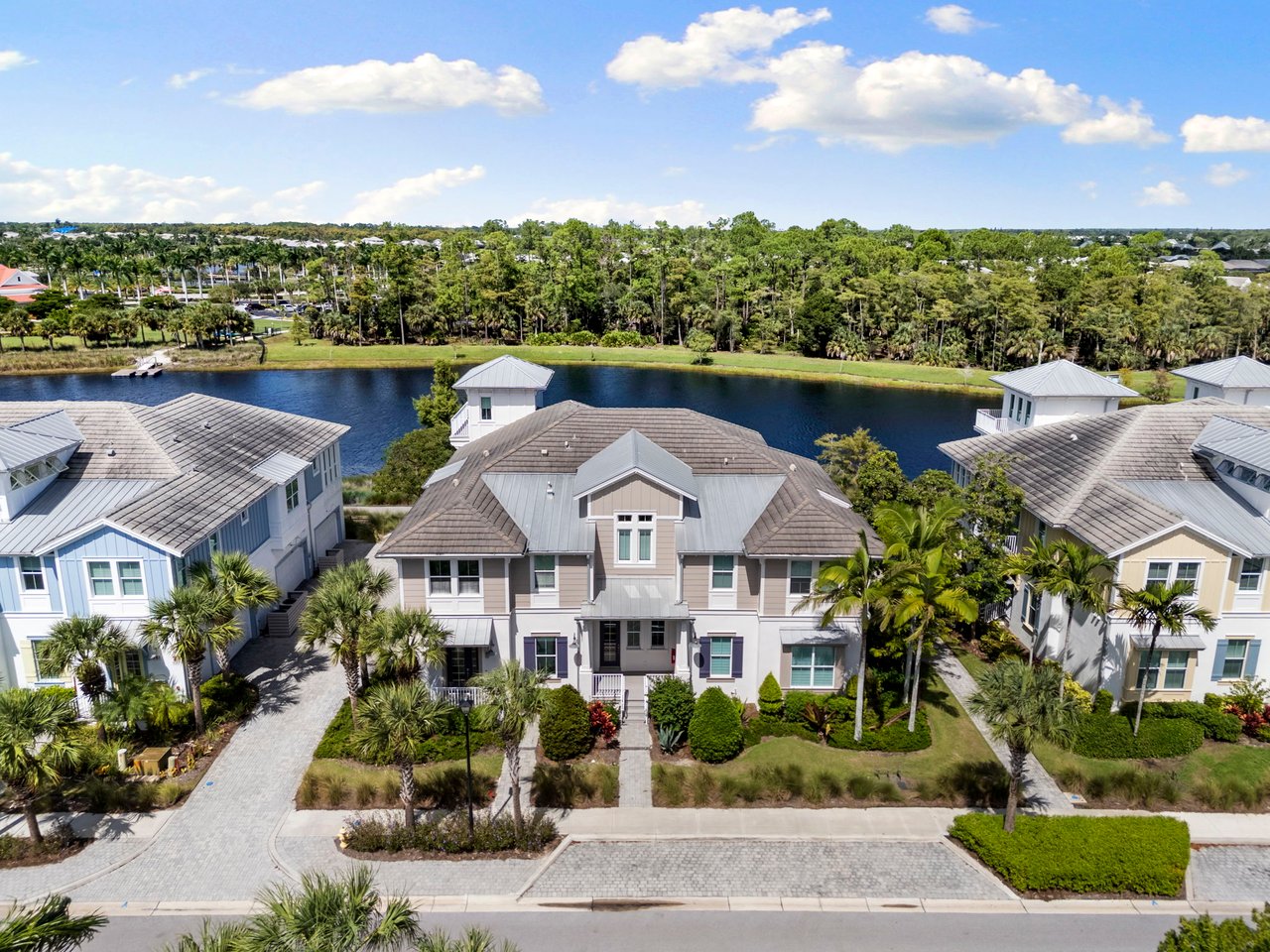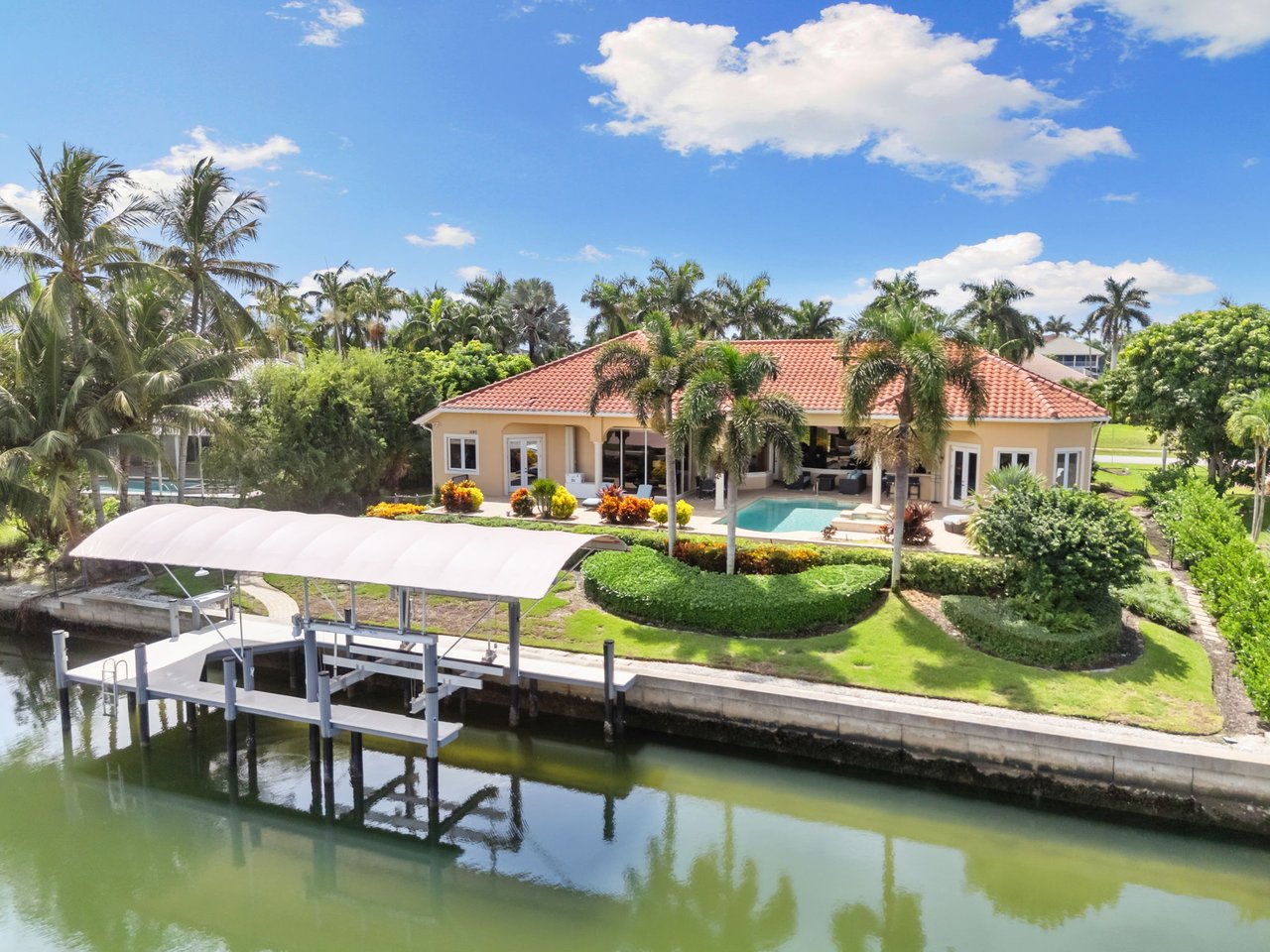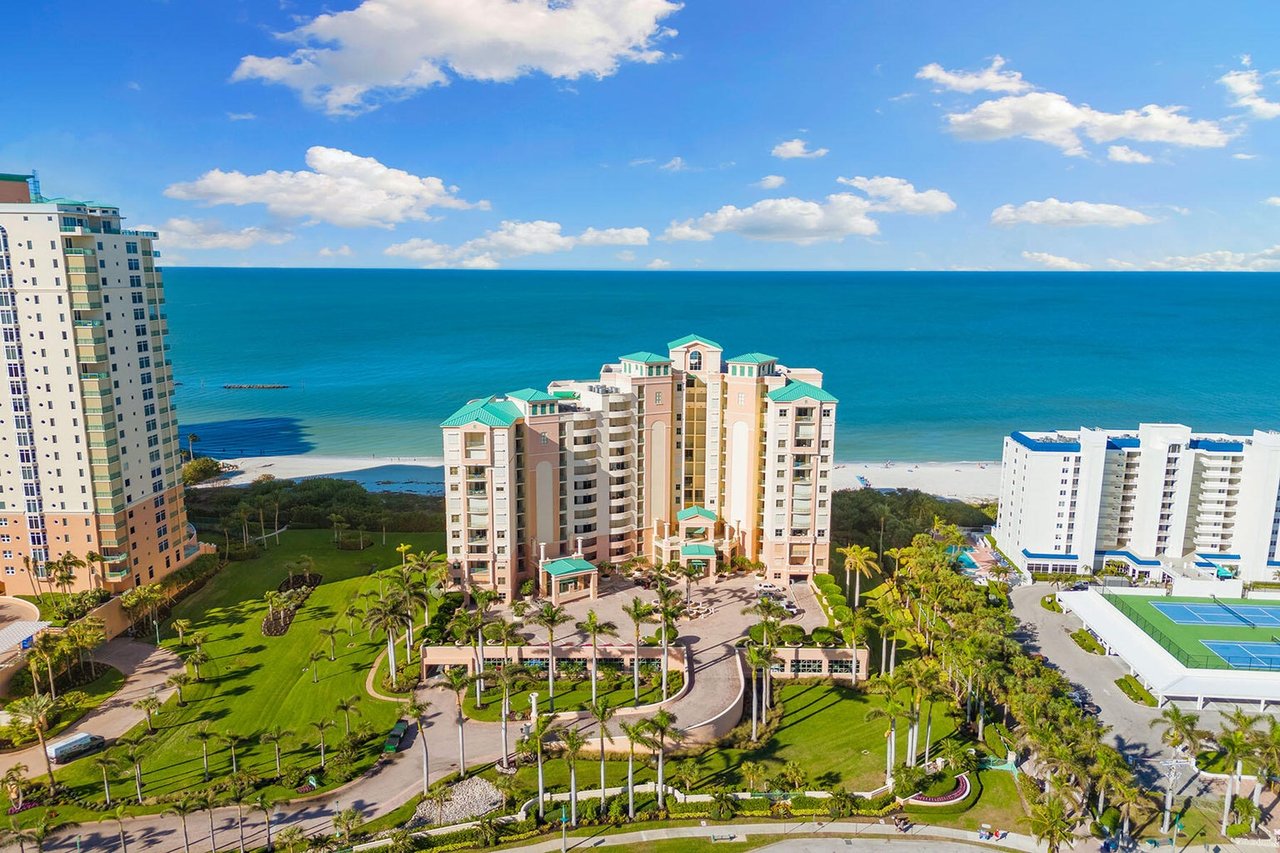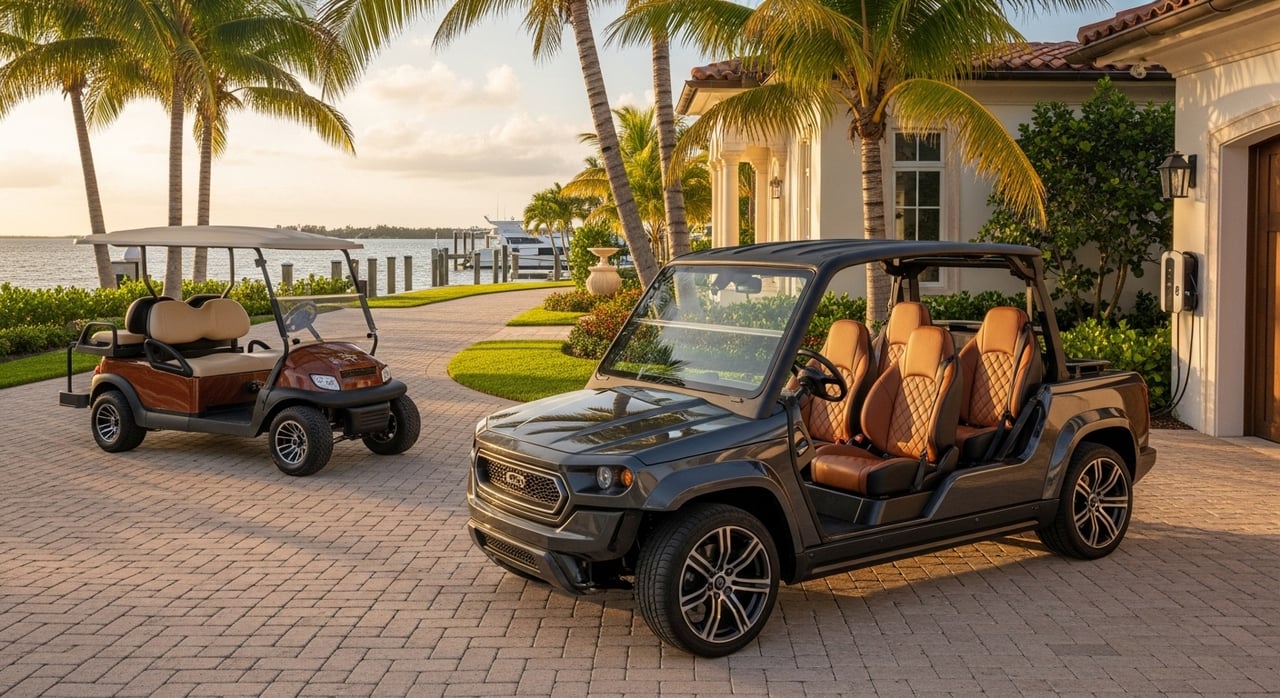
Living or staying near Cape Marco often means short trips to the beach, dinner, or tennis. Many residents use golf carts or street‑legal LSVs for those hops. In 2025, what you can do depends on three layers of rules: Florida law, City and County action, and your HOA. Florida sets the baseline. The City of Marco Island may add rules and designate specific streets. Your HOA or condo can be stricter still. LSVs that go up to 25 mph must be titled, registered, and insured and can only use streets posted 35 mph or lower. Ordinary golf carts that top out at 20 mph or less can only be driven on streets the City or County has officially designated, usually 30 mph or lower. There is no single public, street‑by‑street map for all allowed cart streets on Marco Island, so always check posted signs and confirm with the City or your HOA before you drive. For buyers and sellers, these rules affect day‑to‑day convenience, guest plans, and even resale. If you want help matching neighborhoods with your lifestyle, we can guide you.
Vehicle types explained: golf carts, LSVs, NEVs and more
Not all small open vehicles are the same. Florida law divides them by speed and equipment.
- Golf cart: Built for golf courses and neighborhood use. Not capable of more than 20 mph. Usually not titled or registered. May be used on public roads only where the City or County has said it is allowed. See Florida’s definition in Chapter 320.01 of the statutes.
- Low‑speed vehicle or LSV: Four wheels. Top speed over 20 mph but not over 25 mph. Must meet federal safety standards, have a VIN, and include items like seat belts, windshield, headlamps, turn signals, mirrors, and brake lights. Must be titled, registered, and insured. Allowed only on roads posted 35 mph or lower. See Florida Statutes and the Florida Highway Safety and Motor Vehicles page for details.
- NEV: Neighborhood Electric Vehicle. In practice it functions like an LSV under federal rules, so the same 25 mph top speed and equipment rules apply.
- Utility vehicle or UTV: Some are work vehicles and may have different rules. Do not assume a UTV is street legal.
Why it matters: your classification controls where you can drive, what equipment you need, and whether you must register and insure the vehicle. If you are buying a cart with plans to drive on public streets, confirm the exact classification with the seller and the Florida Highway Safety office. If you convert a cart to meet LSV standards, you will need an inspection and titling before you use it on public roads.
Sources: Florida definitions and equipment requirements are in the statutes and in the FLHSMV LSV guidance.
Who makes the rules — state vs. city vs. county
Florida law sets the floor. Local governments can add more rules or narrow use.
- State rules: Florida defines golf carts and LSVs, sets equipment and titling rules, and limits where each can drive. LSVs are treated like motor vehicles for titling, registration, and insurance. LSVs can use streets posted 35 mph or less. Golf carts can only use streets a city or county has officially designated for cart use, typically 30 mph or lower. See Florida Statutes sections 316.212 and 320.01, and the state’s LSV page.
- City of Marco Island rules: The City echoes the state framework and reminds drivers to verify designated streets and any local ordinances before driving. The City also updates local mobility rules. For example, Marco Island adopted a 12 mph sidewalk speed limit for certain micro‑mobility devices in 2025. That shows the City is active in shaping how slow vehicles and devices share space. See the City Police LSV page and the ordinances page.
- County and state roads: Collier County and FDOT control County and State roads for designations and crossings. A county or city must determine and post signs before designating roads for golf cart use. Bridges and higher‑speed corridors often have more limits.
Bottom line: start with Florida law, then confirm City designations and any HOA rules. For Cape Marco streets, check posted signs and contact the Marco Island Police or City staff when in doubt.
Where you can legally drive on and near Cape Marco
Road type guides what you can do.
- Private HOA or condo roads inside Cape Marco: Private roads are governed by the association’s rules. An HOA can allow, limit, or ban carts and LSVs on private streets, set speed rules, and control who can operate them. State definitions still matter if you plan to exit onto public roads, but inside the gate, the HOA rules lead. Check your community documents and management office.
- Local residential streets in the City of Marco Island: LSVs can use streets posted 35 mph or lower if they are titled and insured. Golf carts can use only those streets that the City has formally designated for cart use, usually 30 mph or lower. The City instructs drivers to verify designations and obey signs. There is no island‑wide public map that lists every cart‑allowed street, so use posted signage and, if needed, call the Police Department for clarity.
- County roads and state highways: Segments like Collier Boulevard and San Marco Road are under County or FDOT control for designations and crossings. Golf carts may only cross or use these roads where approved and signed. LSVs remain limited to roads posted 35 mph or less and cannot use higher‑speed corridors. In practice, this can affect how you plan a route from Cape Marco to shops or dining in other parts of the island.
- Bridges and causeways: High‑speed bridges and state corridors often do not allow golf carts. Crossings may be limited to specific intersections approved by DOT. Plan alternate routes or use a car for those segments.
Practical tips for visitors and owners:
- Plan routes that stay on slower, local streets. Obey posted signs. If you see no signs allowing carts, assume a golf cart is not allowed.
- If your vehicle is an LSV with a tag and insurance, keep a copy of your documents in the glove box and stick to roads posted 35 mph or lower.
- For any crossing of a larger road, look for posted permission before proceeding.
Sources: Florida Statutes section 316.212 and City of Marco Island Police guidance.
Registration, licensing, insurance and equipment basics
- Registration and title: LSVs must be titled and registered in Florida. They need a VIN and must meet federal LSV safety standards. A converted golf cart must be inspected and issued a VIN before it can be titled and registered as an LSV. Ordinary golf carts are not titled or registered if they stay within golf cart rules and on designated streets only.
- Driver licensing and ID: A valid driver license is required to operate an LSV on public roads. For golf carts on designated public streets, the state requires operators to meet age and ID rules. Recent updates require a license or learner’s permit for minors and a government photo ID for adults when operating on public streets. Check the current language in section 316.212 and the FLHSMV guidance before you ride.
- Insurance: LSVs must carry required Florida insurance to be registered. Ordinary golf carts that are not titled or registered are not required by the state to carry auto insurance, but your HOA, landlord, or rental agreement may require liability coverage. Many owners add a rider to a homeowners policy or buy a cart policy for peace of mind.
- Equipment: LSVs need headlamps, tail lamps, stop lamps, turn signals, reflectors, mirrors, a windshield, parking brake, and seat belts. Keep all items in working order. Golf carts used on designated public roads must have basic safety gear like brakes, steering, tires in good condition, a rearview mirror, and red reflectors. Use lights at night when equipped.
Sources: Florida Statutes sections 320.01 and 316.212, and FLHSMV LSV guidance.
HOA, condo and neighborhood rules on Cape Marco — what buyers must check
Inside a gated community or tower property, association rules often decide how carts are used day to day. That includes who can drive, where you can park and charge, and whether rentals can include a cart.
What to review when touring or under contract:
- Community declaration, bylaws, and rules and regulations for vehicle use on private roads.
- Any addendums about golf carts, LSVs, or micro‑mobility devices. Look for parking, charging, and storage policies.
- Guest and rental policies. Some communities require registration of drivers, proof of insurance, or signed waivers for guests.
- Fine schedules and enforcement procedures. Know how rules are applied.
Questions to ask management or the listing agent:
- Are golf carts or LSVs allowed inside the community? Are there speed or age limits beyond state law?
- Can I park and charge a cart in my garage or assigned space? Are 110V outlets available, and are chargers allowed on balconies or in storage rooms?
- If I rent my unit seasonally, may guests use a cart? Are guest drivers restricted or required to register with management?
- Are there any pending rule changes related to carts or micro‑mobility devices?
Why it matters: HOA rules can be stricter than city rules and can change with board votes. If cart access is important to your lifestyle or rental plan, verify in writing before you close.
Reference: Florida law recognizes that associations may operate and regulate vehicles on private property. See state statute references and check your HOA documents.
Safety, parking, rentals and visitor logistics
Marco Island is pedestrian‑heavy, especially near beaches and dining. A few simple habits keep everyone safe and reduce friction with neighbors.
Best practices:
- Drive at or below posted limits. Yield to pedestrians and bikes at crosswalks and trail crossings.
- Keep hands, feet, and beach gear inside the vehicle. Wear seat belts in LSVs.
- Use lights from dusk to dawn. Avoid distracted driving. Slow down near blind curves and driveways.
Parking and charging:
- Park only in marked spaces. Do not block walkways, ramps, or fire lanes.
- Charge in approved locations using grounded outlets. Keep cords tidy and out of foot traffic.
- Store keys out of reach of children and guests.
For owners who host guests or rent seasonally:
- Provide a one‑page route map that avoids restricted roads and notes approved crossings.
- Include a simple rules card: who can drive, where to park, speed limits, and a reminder to carry ID.
- Keep proof of registration and insurance in LSVs. Photograph the cart before each stay and after return.
How vehicle rules affect property choice and value on Marco Island
Cart access and storage can shape daily life and resale appeal.
- Lifestyle fit: If you want a cart‑friendly routine, focus on communities that allow carts inside the gate and sit near dining, beach access, or tennis within low‑speed corridors.
- Guest convenience: Easy cart routes can boost seasonal rental appeal. Clear restrictions can reduce complaints and risk.
- Value signals: Homes or condos with dedicated cart parking, nearby charging, or proven cart access often show stronger demand with like‑minded buyers.
- Negotiation: If a community has tighter rules or limited storage, consider that in pricing and in your post‑closing plans. If a property includes a titled LSV, confirm registration, insurance, and equipment before assigning value to it in a deal.
Local resources and next steps
For current rules and confirmations, start here:
- Florida Highway Safety and Motor Vehicles: state LSV and conversion guidance.
- Florida Statutes: definitions and roadway rules in sections 320.01 and 316.212.
- City of Marco Island Police: local guidance for LSVs and reminders to verify designated streets.
- City of Marco Island Ordinances: recent updates on mobility and sidewalk rules.
- Your HOA or property manager: written policies for private roads, parking, and charging.
If you want a neighborhood‑specific briefing, we can help you line up cart access with your daily routine and guest plans.
Conclusion
Using a cart or LSV near Cape Marco is simple once you know the basics: pick the right vehicle, follow state and City rules, and confirm HOA policies. If you are weighing properties or planning a move, we will help you match lifestyle and logistics. Schedule a Consultation with Devin Sweazy to review neighborhood rules, route options, and HOA documents so you can buy with confidence.
FAQs
Q: Can I drive a golf cart from Cape Marco to restaurants on the island? A: Only if your route stays on streets the City or County has designated for golf carts. There is no single public map, so rely on posted signs and confirm with the City Police page or office.
Q: What is the main difference between a golf cart and an LSV in Florida? A: Speed and equipment. Golf carts do not exceed 20 mph and are not titled or registered. LSVs go up to 25 mph, must meet federal safety standards, and must be titled, registered, and insured.
Q: Which roads can an LSV use? A: Streets posted 35 mph or lower, subject to local rules. LSVs cannot use higher‑speed roads and may be limited at bridges or state corridors.
Q: Do I need a driver license to operate a cart? A: Yes for LSVs on public roads. For golf carts on designated streets, Florida requires operators to meet age and ID rules. Adults must carry a government photo ID, and minors need a license or learner’s permit as required. Check section 316.212 for current language.
Q: Can my HOA ban golf carts even if the City allows them on nearby streets? A: Yes. An HOA can restrict use on private roads, set parking or charging rules, and limit guest drivers. Always review community documents before you buy.
Q: How do I make a golf cart street legal? A: You must convert it to meet LSV standards, get it inspected, obtain a VIN, and then title and register it with FLHSMV. After that, it can be driven like any LSV on roads posted 35 mph or lower.
Q: Are there seasonal exceptions for deliveries? A: Florida law allows certain delivery uses of golf carts and LSVs from mid‑October to late January under strict conditions. This does not change ordinary resident use rules.
References: Florida Statutes sections 316.212, 316.2126, 320.01; Florida Highway Safety and Motor Vehicles LSV page; City of Marco Island Police and Ordinances pages.