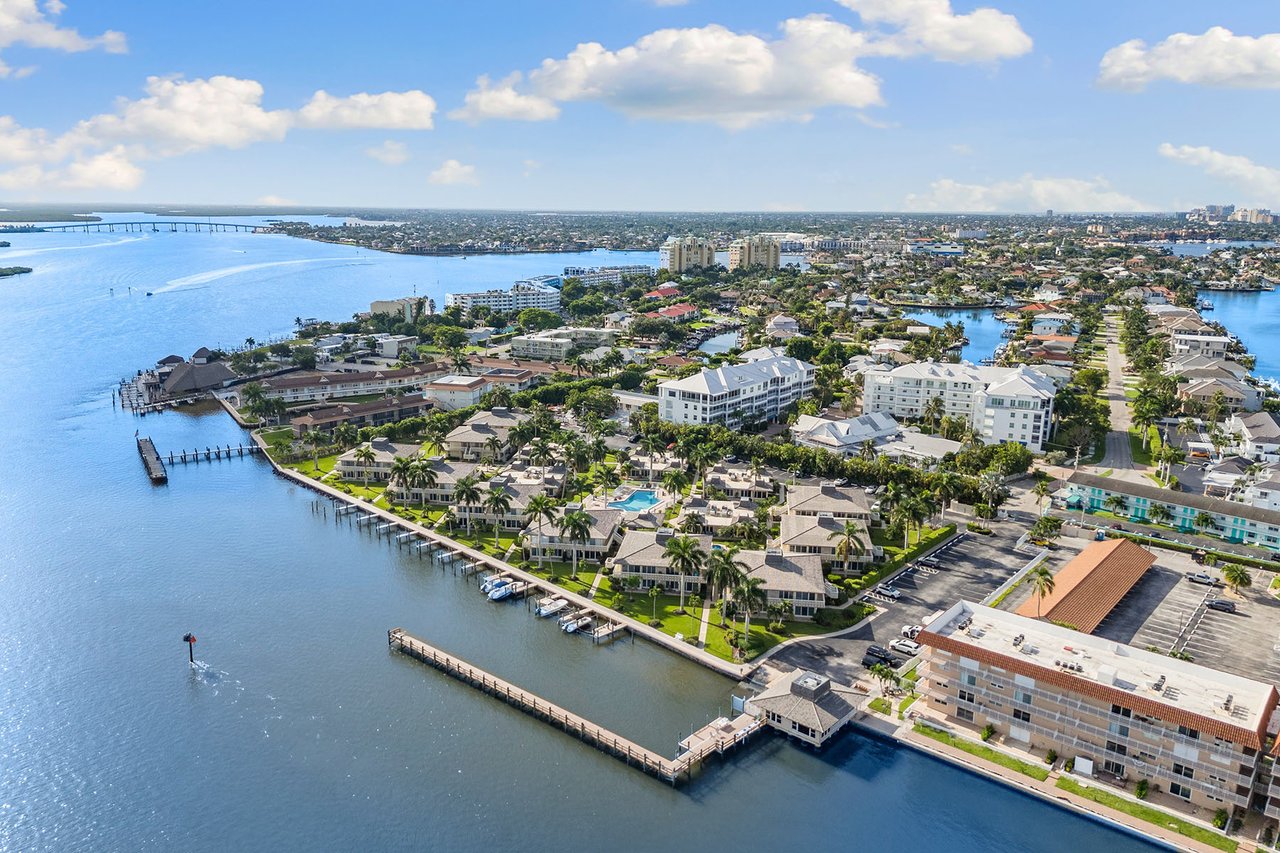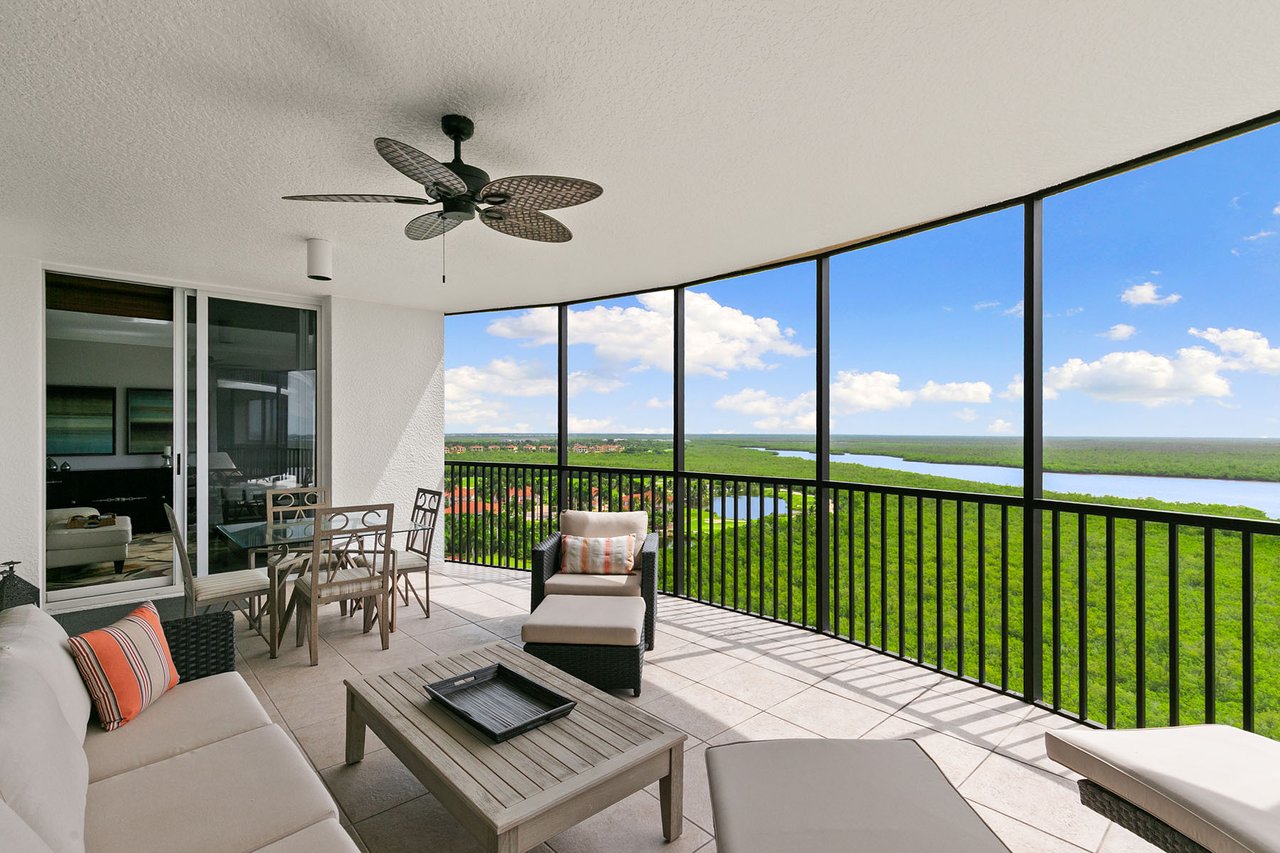
A two-bedroom unit in Merida lists for roughly a third of what a similarly sized unit costs in Veracruz. Both buildings sit inside the same guard gate at the southern tip of Marco Island. Both look out over the Gulf of Mexico and Caxambas Pass. Both come with the same private beach, the same clubhouse privileges, the same address on Cape Marco Drive.
The price gap isn't mostly about square footage or which way the balcony faces. It's about the year each building received its certificate of occupancy, and what that year now means under Florida's condominium reserve law.
Cape Marco is six towers, not one product. Merida, Belize, Cozumel, Monterrey, Tampico, and Veracruz were built across more than a decade, and that span puts each building in a different place on a state-mandated reserve funding schedule that only became fully binding this year. A buyer comparing two units under the same gate is often comparing two different regulatory timelines, and the purchase price doesn't tell you which one you're getting.
Merida and Veracruz Are the Two Ends of the Same Development
Merida is the oldest tower in Cape Marco. It existed before the larger gated community was conceived and was later absorbed into the development. Public listing records show it was completed in 1992, a 13-story building with 92 residences. Entry-level two-bedroom units there run around $1.3 million, with larger three-bedroom layouts reaching up to $1.65 million. Monthly association fees run $1,300 to $1,400, covering cable, ground maintenance, trash, internet, water, and sewer.
Veracruz sits at the other end of the timeline. Completed in 2005, it's a 25-story tower with 122 residences. Three-bedroom units there start around $3.7 million, and four-bedroom layouts climb past $4.6 million. Its amenities include two pools, a fitness center, and a theater room, features that account for some of the price difference, but not all of it.
Thirteen years separate those two certificates of occupancy. That gap used to be a footnote for buyers who cared mostly about finishes and floor plans. In 2026, it's the single biggest variable in what each building will cost its owners over the next decade.
What Changed for Every Florida Tower This Year
Following the 2021 Champlain Towers South collapse in Surfside, Florida passed a sequence of condominium safety laws: SB 4-D in 2022, SB 154 in 2023, HB 1021 in 2024, and HB 913 in 2025. Together they created two requirements that apply to any residential building three stories or higher, which covers all six Cape Marco towers.
The first is a Structural Integrity Reserve Study, or SIRS, an engineering-based funding plan for major structural components like roofs, load-bearing walls, and waterproofing. The initial deadline for these studies was originally the end of 2024, then extended to December 31, 2025, under HB 913. That deadline has now passed. Any association that hasn't completed its SIRS is currently out of compliance with state law.
The second requirement is the one that changes the economics. For any association budget adopted on or after December 31, 2024, the board can no longer vote to underfund or waive reserves for the structural items covered by the SIRS. Boards used to be able to keep dues artificially low by deferring reserve contributions. That option is gone for the components the law covers. Whatever the engineer's report says a roof or a seawall needs, the association has to fund it, through some combination of higher recurring dues, a special assessment, or a loan.
The Reserve Clock Runs on the Certificate of Occupancy, Not the Sale Price
The other piece of the law that matters here is the milestone inspection requirement, a structural review triggered once a building reaches 30 years of age based on its original certificate of occupancy, repeating every 10 years after that.
Merida crossed that 30-year threshold in 2022, the same year the state's post-Surfside legislation took effect. That means Merida was among the first wave of Florida buildings required to complete a milestone inspection and, now, to fund its reserves at the full level the resulting SIRS calls for. Veracruz, built in 2005, doesn't reach the 30-year mark until 2035. It has close to a decade before it faces the same mandatory inspection and reserve-funding trigger.
That's the mechanism behind the price gap. Merida's lower entry price buys into a building that has already been through, or is currently going through, the most expensive phase of the reserve cycle: the point where an engineer has quantified exactly what the structure needs and the association is legally required to fund it. Veracruz's higher entry price buys into a building that's still years away from that reckoning, which is part of why its dues history looks calmer even though its unit prices run three to four times higher.
Neither position is better on its face. A buyer who wants a lower purchase price and is comfortable underwriting near-term reserve or assessment activity has real information to work with in a building like Merida. A buyer who wants to defer that conversation for a decade has a case for a newer tower like Veracruz. What neither buyer should do is compare the two units by price per square foot alone and assume the cheaper one is simply a bargain.
What the Other Four Towers Are Carrying
Belize, Cozumel, Monterrey, and Tampico fill the years between those two dates. Belize is often described as Cape Marco's flagship, a 148-unit tower with 24-hour security, tennis courts, a raised pool deck, and guest suites. Cozumel is a 120-unit, 24-floor building with its own fitness center, sauna, and spa. Tampico sits at the northernmost point of the development and is the tower where former House Speaker John Boehner owns a unit.
None of the public listing data reviewed here gives a precise certificate of occupancy date for these four buildings. That's not a gap a buyer should try to estimate. It's a specific document to request from each association before comparing units: the certificate of occupancy date, the most recent milestone inspection report if one has been completed, and the SIRS itself. Since July 2025, HB 913 has required associations with 25 or more units, which includes every tower in Cape Marco, to make governing documents, budgets, and reserve studies available through an online portal or app. Owners also have a legal right to see the SIRS and milestone inspection results within 30 days of completion. A buyer touring two towers in the same afternoon can ask for portal access to both associations before making an offer.
What the Current Market Is Actually Saying
Over the past year, as of September 2026, Cape Marco has recorded 41 condo sales at an average asking price of roughly $2.59 million and an average selling price of about $2.42 million, a list-to-sell ratio near 94 percent and an average of $696 per square foot. Units have taken an average of 186 days to sell.
Read together, those numbers describe a market where sellers aren't discounting much, even though it takes time to find a buyer. A 94 percent list-to-sell ratio is tight for a luxury condo market. It means the negotiating room in Cape Marco right now is mostly in timeline, not price. A buyer who has done the reserve homework on a specific tower is in a stronger position to move quickly when the right unit comes up, rather than trying to negotiate a discount that the sales data suggests isn't really available.
That context matters for the age question too. Southwest Florida's HOA costs are already elevated relative to the rest of the country. A January 2026 report cited by Gulfshore Business put the median HOA fee for the Naples-Marco Island metro at $711 a month, among the highest in the nation, with the same post-Surfside reserve rules cited as a primary driver. Cape Marco's fees sit within or above that regional median depending on the tower, and the reserve law is the reason that number is moving in one direction across the state.
Before Comparing Any Two Units
A few documents turn a price comparison into an actual comparison:
- The certificate of occupancy date for each tower, which determines where the building sits on the 30-year milestone inspection cycle
- The most recent completed SIRS, which shows what reserves the law now requires the association to fund in full
- Board minutes or budget documents showing whether a special assessment has been passed, is pending, or is under discussion
- Confirmation that the association has an active owner portal under HB 913, and how recently the reserve figures were updated
None of these require a lawyer to interpret. They just require asking for them before the price per square foot becomes the only number in the conversation.
A Few Common Questions
Does a newer tower mean no risk of a special assessment? No. A newer certificate of occupancy delays the mandatory 30-year milestone inspection, but any association can pass a special assessment for hurricane damage, insurance shortfalls, or capital projects unrelated to the SIRS timeline.
Do all six Cape Marco towers have to comply with the same laws? Yes. Every tower is three stories or higher and organized as a Florida condominium, which brings all six under the same SIRS and milestone inspection requirements. The difference is timing, not whether the rules apply.
Is a lower HOA fee always a red flag? Not automatically, but it's worth asking why. A fee that looks low relative to a comparable building nearby is worth checking against the SIRS to confirm reserves aren't being deferred in a way the law no longer permits.
Comparing two Cape Marco units by finish level and view is the easy part. The harder, more useful comparison is which decade of Florida's reserve funding cycle each building's price tag is actually buying into. If you're weighing a specific tower against another, Devin Sweazy Group can help you pull the certificate of occupancy dates, SIRS reports, and reserve history side by side before you write an offer.