Thinking about a condo in Cape Marco Towers and wondering what the amenities and HOA actually cover? You’re not alone. On Marco Island, details like pool rules, rental limits, and insurance deductibles can affect your lifestyle and your budget. In this guide, you’ll learn what to verify about amenities, association rules, finances, insurance, and local risks before you buy or sell. Let’s dive in.
Cape Marco amenities: what to expect
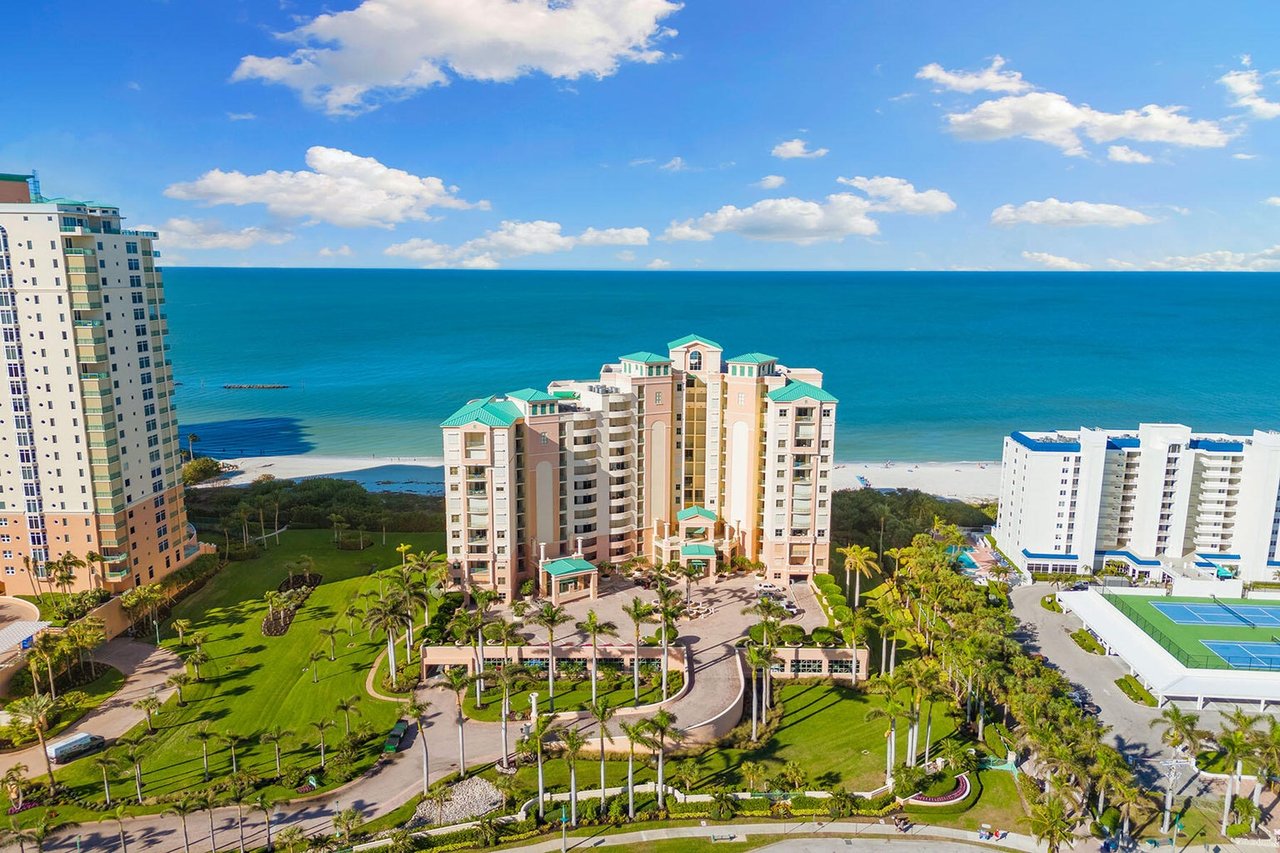
Cape Marco is known for resort-style living, but every tower’s offerings and rules differ. Typical Marco Island tower amenities include a staffed lobby, fitness center, clubroom, and pool with spa. You may also see sun decks, landscaped grounds, barbecue stations, and beach or waterfront access. Some buildings offer tennis or pickleball courts, assigned parking, guest parking, and on-site management.
Waterfront features can vary. Boat slips, dry storage, and guest docks are not guaranteed and often carry extra fees or waitlists. Always confirm what is included in monthly dues and what is fee-based.
Verify amenity details before you commit
- What amenities are included in regular dues versus additional fees.
- Operating hours, reservation policies, and guest use rules for pools, courts, and clubrooms.
- Any upcoming renovations or temporary closures that affect access.
- Liability rules and waivers for pools, gyms, and waterfront facilities.
- Accessibility features and elevator access for you and your guests.
HOA and condo rules to review
Florida condominiums operate under a specific legal framework. Each tower’s governing documents set the rules on pets, rentals, parking, storage, and more. Ask for the Declaration of Condominium, bylaws, articles, and house rules to understand restrictions that impact your use and resale.
You can review your rights and association requirements under the state’s Condominium Act by browsing Florida Statutes, Chapter 718. For consumer guidance or questions about association operations, the Florida Division of Condominiums is a helpful resource.
Key use policies to confirm
- Rentals: minimum lease terms, approvals, caps, and any short-term restrictions.
- Pets: size, number, breed restrictions, and guest pet rules.
- Parking: deeded or assigned spaces, guest parking limits, and enforcement.
- Storage: rules for bikes, kayaks, and beach gear.
- Voting and meetings: quorum requirements and how special assessments are approved.
Financial health and assessments
Healthy association finances reduce surprises. Ask for the current operating budget, recent financial statements, and the reserve study. Review what your dues pay for, including common-area insurance, utilities, landscaping, maintenance, management, and reserves.
Low reserve funding, high delinquency rates, or repeated special assessments can be warning signs. Look closely at the last 12 to 36 months of board minutes for planned capital projects or assessment discussions.
Insurance and rising costs
Florida coastal insurance costs have risen, and that can drive HOA fee increases. Review the master insurance certificate to understand coverages and deductibles, including windstorm and hurricane. Percentage-based wind deductibles are common and can impact unit owners in a major event. For market context and consumer information, the Florida Office of Insurance Regulation provides updates and guidance.
Flood coverage is a separate consideration. Many condominium buildings in flood zones carry National Flood Insurance Program coverage at the association level. You may still need an HO-6 policy for interior finishes and contents. Learn more using the FEMA Flood Map Service Center to identify flood zones and the National Flood Insurance Program for coverage basics.
Local risk and regulatory context
Marco Island is a barrier island exposed to hurricanes, storm surge, and flooding. Before you buy, confirm the building’s FEMA flood zone and base flood elevation. Ask for any recent structural or engineering reports and check whether major exterior or mechanical work has been permitted locally.
For permits and code information affecting towers and coastal structures, consult the City of Marco Island and Collier County building departments. If you want to check for litigation that may involve an association, search the Collier County Clerk of Court records. Property tax and parcel data for specific units are available through the Collier County Property Appraiser.
Due diligence checklist for buyers
- Association documents: declaration, bylaws, rules, recent amendments.
- Resale certificate/estoppel letter stating current dues, assessments, liens, and violations.
- Budget and financials: last 2–3 years plus current operating budget.
- Reserve study: date, percent funded, and capital project schedule.
- Board minutes: 12–36 months, including special meeting minutes.
- Insurance: master policy certificate with deductible details.
- Management: contact information and current management agreement.
- Parking, storage, and any boat slip documentation.
- Engineering/structural reports and any project notices.
Ask the manager or board:
- What exactly is included in monthly dues?
- Are there pending assessments or projects in the next 12–36 months?
- Current reserve funding percentage and date of the last reserve study?
- Current owner delinquency rate?
- Rental, pet, and guest rules and how they are enforced?
- Hurricane and windstorm deductibles and flood insurance arrangements?
Due diligence checklist for sellers
- Order the estoppel letter early to confirm dues, assessments, and violations.
- Gather 2–3 years of financials, the current budget, and insurance certificate.
- Provide house rules, rental and pet policies, and any recent amendments.
- Disclose known assessments, notices of repair projects, and any violations.
- Clarify ownership or assignment of parking, storage, and any boat slip.
Red flags to investigate further
- No recent reserve study or very low reserve funding.
- Multiple or large special assessments in recent years.
- High delinquency rates among owners or frequent collection actions.
- Large windstorm deductibles that could translate to owner payments after a storm.
- Active litigation involving the association.
- Frequent management turnover or limited access to records.
How we help you navigate Cape Marco
You do not need to decode hundreds of pages of condo documents alone. A clear process can save you from avoidable surprises. We focus on the details that impact your daily life and long-term costs, from amenity access to insurance deductibles.
The Devin Sweazy Group pairs island-level insight with data-backed guidance. We coordinate document requests, highlight key cost drivers, and connect you with trusted local professionals when needed. If you are buying, we help you compare towers by amenities, rules, and financial strength. If you are selling, we position your unit with premium marketing and the clarity buyers expect.
Ready to move forward with confidence at Cape Marco? Schedule a Consultation with Devin Sweazy Group for a focused plan tailored to your goals.
FAQs
What do HOA fees at Marco Island towers usually cover?
- They often include common-area insurance, maintenance, landscaping, management, staff, some utilities for common areas, and reserves. Verify inclusions in the current budget.
Can HOA fees or assessments change after closing in Cape Marco?
- Yes. Associations can adjust monthly assessments and levy special assessments for projects. Review the estoppel letter and board minutes for pending changes.
Are short-term rentals allowed in Cape Marco Towers?
- Policies vary by tower. Confirm minimum lease terms, approvals, and any caps in the association rules and recent amendments.
Will I need flood insurance for a Cape Marco condo?
- If the building is in a FEMA flood zone, flood coverage is likely required by lenders, and an HO-6 policy is usually recommended for interiors. Check the association’s master policy and your lender’s requirements.
What local risks should Marco Island condo buyers consider?
- Hurricane, wind, and flood exposure, along with rising insurance costs and potential special assessments tied to major capital projects or deductibles.
How do I check an association’s legal or financial issues?
- Request financials, reserve studies, and board minutes, and search the Collier County Clerk of Court for litigation. Review master insurance and deductible terms and ask about upcoming projects.