Marco Island Condo Rental Rules: How to Choose the Right Investment Property
One of the biggest mistakes I see condo buyers make on Marco Island is assuming that all condominiums have the same rental policies.
In reality, rental restrictions can vary dramatically from one building to another, and those differences can have a significant impact on your property's rental income, future resale value, and overall investment strategy.
Before purchasing a condo, it's critical to understand how the building's rental rules align with your goals.
Whether you're seeking a vacation property that generates income while you're away, a future retirement residence, or a long-term investment, understanding condo rental policies should be one of the first steps in your buying process.
Why Rental Restrictions Matter
Many buyers focus on the unit itself:
- The view
- The floor plan
- The amenities
- The location
While these are certainly important, the rental policy may ultimately have a greater impact on your investment's performance.
Two nearly identical units in different buildings can produce dramatically different rental income simply because one association permits weekly rentals while the other requires a minimum lease period of 90 days.
The rental policy directly influences:
- Rental demand
- Occupancy rates
- Income potential
- Future buyer demand
- Overall property value
Understanding these differences allows buyers to make more informed decisions.
Common Rental Restrictions on Marco Island
Condo associations establish rental rules to balance owner enjoyment with investment opportunities.
The most common restrictions include:
Minimum Rental Periods
Associations may require:
- 7-day minimum rentals
- 14-day minimum rentals
- 30-day minimum rentals
- 90-day minimum rentals
- Annual leases only
The shorter the rental period allowed, the larger the potential renter pool typically becomes.
However, shorter rental periods may also create increased turnover and activity within the building.
Frequency Restrictions
Some buildings limit the number of times an owner can rent their unit each year.
Examples include:
- Unlimited rentals
- 12 rentals per year
- 4 rentals per year
- 2 rentals per year
Even if short-term rentals are permitted, frequency limits can affect overall income potential.
Approval Requirements
Many associations require:
- Tenant applications
- Background checks
- Board approvals
- Registration fees
These requirements help protect owners but can also impact rental flexibility.
Occupancy Limits
Associations often establish limits on:
- Maximum occupants
- Guest policies
- Pet restrictions
- Vehicle registration
These factors can influence the type of renter attracted to a particular building.
Understanding Different Investment Strategies
Not every investor has the same objectives.
The "best" condo often depends on your personal strategy.
Strategy #1: Maximum Rental Income
Buyers focused primarily on income often prioritize:
- Weekly rental buildings
- Beach proximity
- Resort-style amenities
- High seasonal demand
These properties generally offer the greatest revenue potential.
Strategy #2: Hybrid Ownership
Many buyers want both personal enjoyment and rental income.
They may use the condo for several months each year while renting it during peak seasons.
In these situations, flexibility becomes extremely important.
Strategy #3: Future Retirement Property
Some buyers prioritize long-term appreciation and future personal use over maximum rental income.
These buyers may prefer:
- More residential communities
- Longer lease requirements
- Lower tenant turnover
- Greater owner occupancy
These buildings often provide a quieter living environment.
How Rental Rules Affect Property Values
Rental policies influence more than just income.
They often impact resale value as well.
For example:
Weekly Rental Buildings
Typically attract:
- Investors
- Vacation buyers
- Income-focused purchasers
These buildings often experience strong demand because they appeal to a broad buyer pool.
Longer-Term Rental Buildings
Often attract:
- Retirees
- Seasonal residents
- Full-time homeowners
These communities may offer a quieter atmosphere but appeal to a different segment of buyers.
Neither approach is inherently better.
The key is understanding how the building aligns with your objectives.
Questions Every Investor Should Ask
Before purchasing a condo, consider asking:
- What is the minimum rental period?
- How many leases are allowed annually?
- Are tenant approvals required?
- Are there restrictions on online rental platforms?
- What percentage of owners rent their units?
- Are there upcoming changes being discussed by the association?
- What is the building's rental history?
These questions can help identify opportunities and avoid surprises after closing.
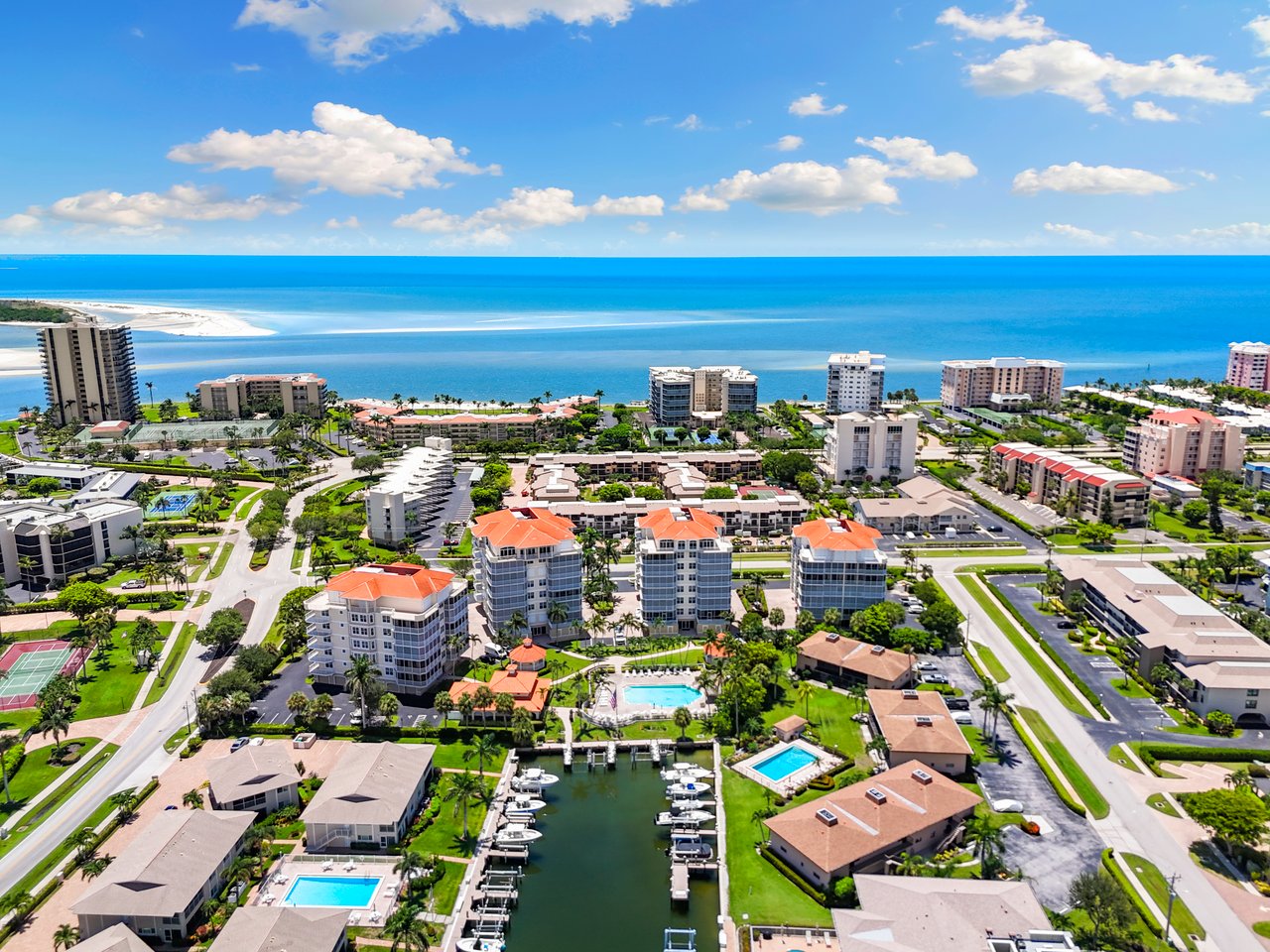
Marco Island's Diverse Condo Market
One of Marco Island's greatest strengths is the variety of condominium options available.
Buyers can choose from:
- Beachfront towers
- Bayfront communities
- Boating condominiums
- Luxury high-rises
- Boutique low-density buildings
- Resort-style developments
Each offers a unique combination of lifestyle, rental flexibility, and investment potential.
The challenge is finding the building that aligns with your goals.
The Value of Local Expertise
Rental rules can change over time, and interpreting association documents is not always straightforward.
As a Realtor specializing in Marco Island condominiums, I spend a significant amount of time helping buyers understand:
- Rental restrictions
- Association documents
- Reserve funding
- Special assessments
- Milestone inspections
- Building-specific considerations
These details often make the difference between a good investment and a great one.
Final Thoughts
When investing in a Marco Island condominium, the unit itself is only part of the equation.
The building's rental policies can significantly influence your income potential, ownership experience, and future resale value.
Before making a purchase, take the time to understand how the association's rules align with your personal and financial goals.
The right condo isn't simply the one with the best view.
It's the one that supports the lifestyle and investment strategy you're trying to achieve.
About Devin Sweazy
Devin Sweazy is a top-performing Marco Island Realtor with Premier Sotheby's International Realty, specializing in luxury homes, waterfront properties, condominiums, and relocation services throughout Marco Island and Southeast Naples. A Marco Island resident since 2014, Devin helps buyers navigate the complexities of condominium ownership, including rental restrictions, association documents, special assessments, reserve studies, and investment opportunities unique to Southwest Florida.
If you're considering purchasing a condo on Marco Island, Devin can help you identify the buildings that best align with your lifestyle, rental goals, and long-term investment strategy.