Marco Island Waterfront Homes and Seawalls: What Every Buyer Should Know
When buyers begin searching for a waterfront home on Marco Island, they naturally focus on the exciting features: the view, boating access, sunsets, dock space, and proximity to the Gulf.
However, one of the most important components of a waterfront property is often overlooked.
The seawall.
A seawall is one of the most critical structures protecting your waterfront investment. While it may not be as exciting as a new dock or a boat lift, understanding the condition, lifespan, and maintenance requirements of a seawall can save homeowners significant expense and frustration in the future.
If you're considering purchasing a waterfront home on Marco Island, here's what you need to know.
What Is a Seawall?
A seawall is a retaining structure built along the water's edge that helps stabilize the shoreline and prevent erosion.
On Marco Island, seawalls serve several important purposes:
- Protect the property from erosion
- Retain soil and landscaping
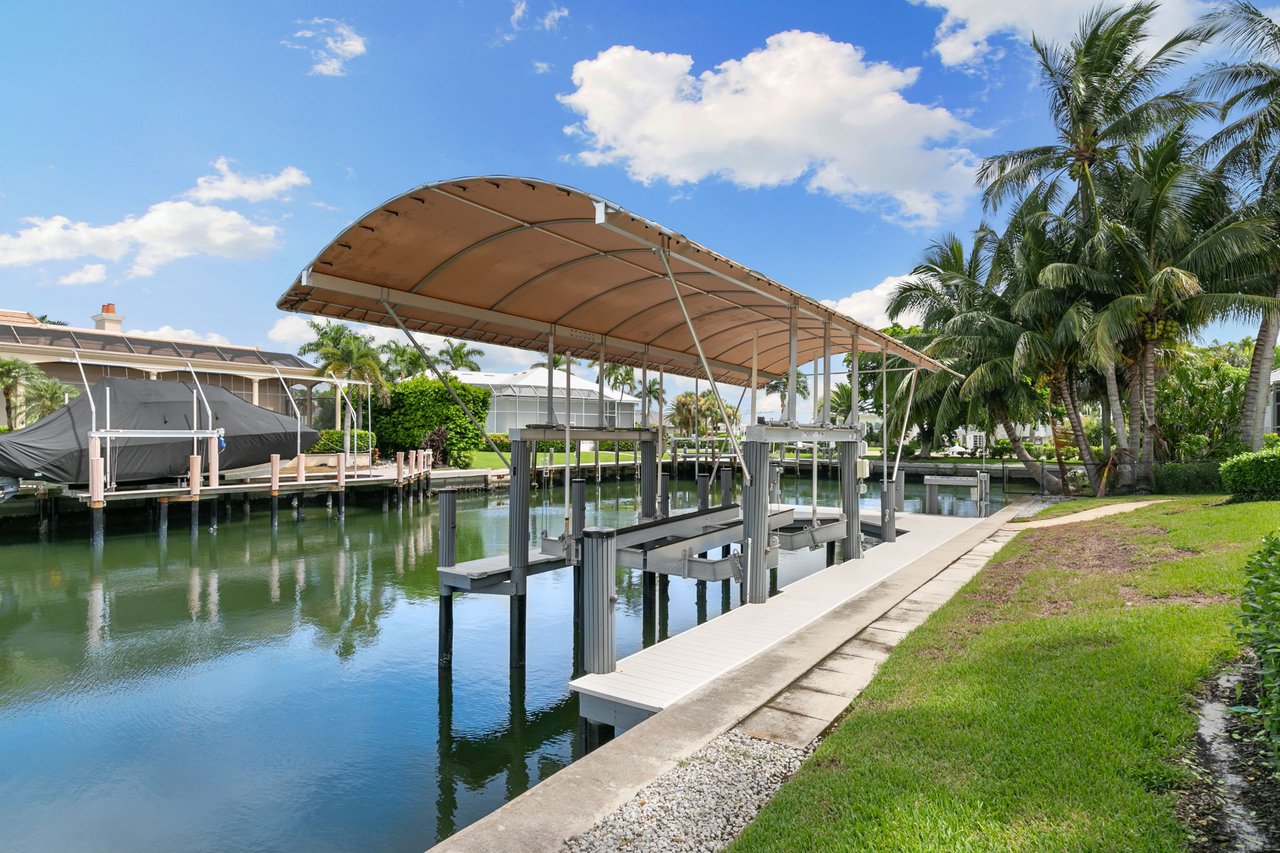
- Support docks and boat lifts
- Maintain waterfront usability
- Protect property values
Without a properly functioning seawall, waterfront property can experience erosion, structural concerns, and costly repairs.
How Long Do Seawalls Last?
One of the most common questions buyers ask is:
"How long should a seawall last?"
The answer depends on several factors including:
- Original construction quality
- Materials used
- Exposure to wave action
- Maintenance history
- Soil conditions
- Saltwater exposure
Many concrete seawalls can last several decades when properly maintained. However, age alone does not determine condition.
I've seen older seawalls in excellent condition and newer seawalls that required attention due to installation issues or environmental factors.
This is why inspections are so important.
Warning Signs of Seawall Problems
When viewing waterfront homes, buyers should pay attention to potential warning signs such as:
Cracks in the Concrete
Small surface cracks may be cosmetic, but larger structural cracks can indicate movement or deterioration.
Soil Erosion Behind the Seawall
Voids or depressions behind the seawall may suggest water intrusion and soil loss.
Leaning or Bowing
Visible movement in the wall can indicate structural stress.
Sinkholes or Settling
Areas of settlement near the seawall should be investigated.
Rust Staining
Corrosion of reinforcing materials can lead to long-term structural concerns.
Loose Cap Sections
Movement in the seawall cap may indicate underlying issues.
A waterfront inspection specialist can help determine whether observed conditions are normal aging or signs of a larger problem.
Why Seawall Inspections Matter
Many homebuyers invest heavily in general home inspections but fail to thoroughly evaluate the seawall.
For waterfront properties, this can be a costly mistake.
A seawall inspection may provide insight into:
- Structural condition
- Remaining useful life
- Repair recommendations
- Maintenance needs
- Potential replacement concerns
Because seawall replacement can be a significant expense, understanding its condition before closing is an important part of waterfront due diligence.
Seawalls and Property Value
Not all waterfront homes are valued equally.
Factors such as:
- Gulf access
- Water views
- Rear exposure
- Lot size
- Dock configuration
- Seawall condition
all contribute to overall market value.
A well-maintained seawall provides confidence to future buyers and can help support property value over time.
Conversely, deferred maintenance may become a negotiation point during a sale.
What About Docks and Boat Lifts?
Seawalls often work together with:
- Docks
- Boat lifts
- Pilings
- Fishing platforms
- Waterfront entertaining areas
When evaluating a waterfront property, it is important to view the seawall, dock, and lift system as a complete waterfront infrastructure package.
Each component contributes to the property's functionality and long-term maintenance requirements.
Seawall Maintenance Tips for Homeowners
While seawalls are built to withstand harsh marine environments, routine maintenance can help extend their lifespan.
Recommended practices include:
- Conduct periodic inspections
- Address cracks promptly
- Monitor erosion behind the wall
- Maintain drainage systems
- Inspect dock attachments
- Address corrosion early
Proactive maintenance is generally far less expensive than major repairs.
Waterfront Ownership Requires Local Knowledge
One of the reasons waterfront homes on Marco Island are so desirable is the incredible boating lifestyle they offer.
However, waterfront ownership comes with unique considerations that inland buyers may never encounter.
Understanding seawalls, boat lifts, canal systems, Gulf access, flood zones, and waterfront maintenance is part of making a confident purchasing decision.
Working with a Realtor who understands these nuances can help buyers identify opportunities, avoid surprises, and protect their investment.
Final Thoughts
A beautiful waterfront view may capture your attention, but a seawall helps protect the investment behind that view.
Whether you're purchasing your first waterfront home or adding another property to your portfolio, understanding the condition and maintenance requirements of a seawall should be an important part of your due diligence process.
When properly maintained, a quality seawall can provide decades of protection and support the long-term value of your waterfront property.
About Devin Sweazy
Devin Sweazy is a top-performing Marco Island Realtor with Premier Sotheby's International Realty, specializing in luxury homes, waterfront properties, condominiums, and relocation services throughout Marco Island and Southeast Naples. A Marco Island resident since 2014, Devin provides buyers and sellers with hyper-local expertise on waterfront living, boating access, seawalls, docks, flood zones, and the unique factors that influence waterfront property values.
If you're considering buying or selling a waterfront home on Marco Island, contact Devin Sweazy for trusted local insight and expert guidance throughout the process.