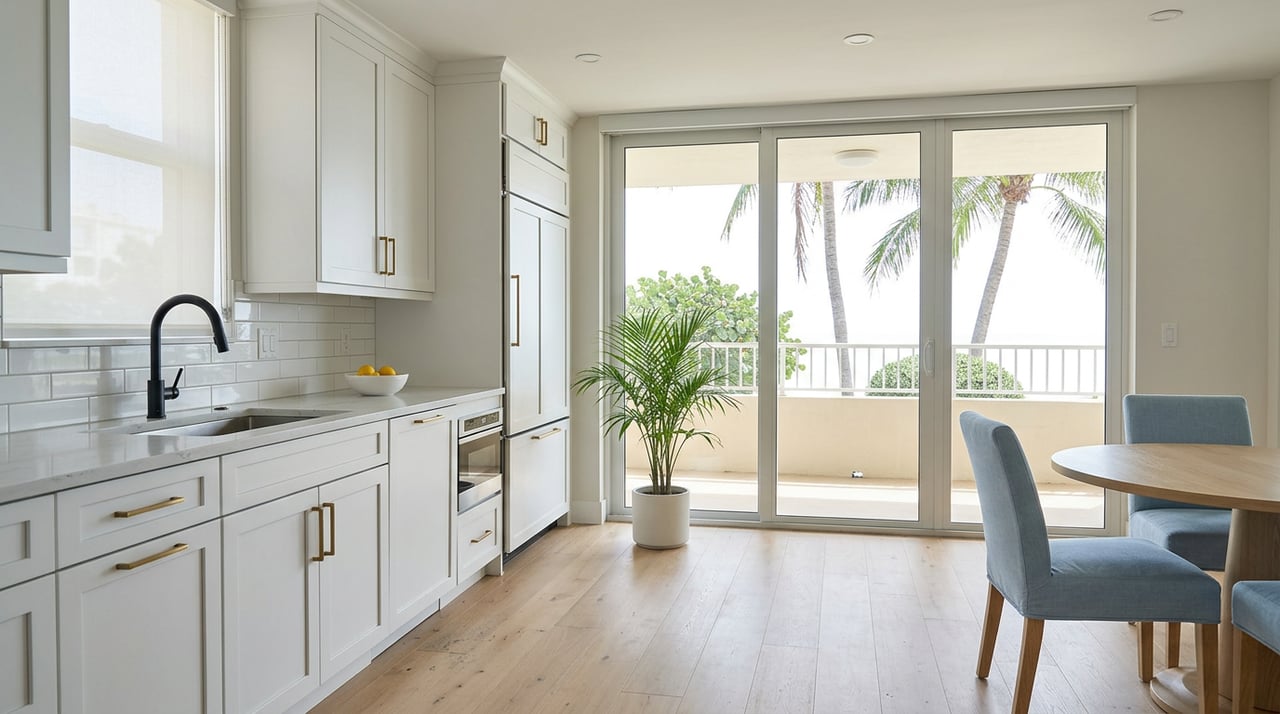
If you could stroll to soft sand and a sunset in 10 minutes, what would your ideal condo look like? On Marco Island’s South End, you have many choices within a comfortable walk of South Beach, each with different tradeoffs for views, boating, space, and rental potential. If you are sorting through options from afar or planning a trip to tour, it helps to know how the area works and what to ask before you make an offer. In this guide, you will learn how the South End is defined, where you can walk to the beach, the main building types, and the policies that shape value. Let’s dive in.
South End basics: where you can walk
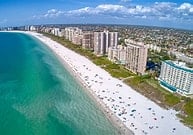
The South End commonly refers to the island’s southernmost beach neighborhood along Crescent Beach, generally south of Winterberry and including the stretches around South Collier Boulevard and Collier Court. You can see a concise neighborhood primer in this local overview of the South End on Marco Island.
Two public access points anchor walkability:
- The South Marco Beach Access near 930 S. Collier Blvd, which is the main southern access to Crescent Beach.
- The City South Beach Public Access at the end of Winterberry Drive next to Crystal Shores, a narrow pedestrian and bike access with limited on-site parking. Many owners simply walk or bike here, or use the paid lot across Collier when needed.
As a rule of thumb, many buyers consider 0.25 to 0.75 mile a comfortable walk, roughly 5 to 15 minutes depending on pace. Buildings on South Collier Blvd, Seaview Court, and Collier Court often fall within that range, but you should measure building-to-access distance on a map for any unit you shortlist. For estimating time, a typical walking speed is about 3 to 3.5 mph, as outlined in this walking speed reference.
Members and eligible residents sometimes use the gated Residents’ Beach further north on Collier Blvd, which requires membership or ID. If that matters to you, confirm your eligibility and guest policies during due diligence.
Condo types within a beach walk
You will see three primary settings within a comfortable walk to South Beach. Your best fit depends on how you prioritize views, boating, interior space, amenities, and rental flexibility.
Beachfront high-rise towers
These towers sit directly on Crescent Beach with private or gated beach access and gulf views. Examples include Apollo near 900 S. Collier and classic south-end towers such as Sea Winds and Sandcastle stacks. Many were built between the 1970s and 1990s, with heights that vary by building.
Typical layouts range from efficient one-bedroom suites to larger two and three-bedroom plans. For example, Apollo documentation shows one-bedroom suites around 500 square feet and penthouse layouts up to about 1,400 square feet, with building amenities detailed on the Apollo condominium site. In other beach towers, two-bedroom plans commonly fall near 1,000 to 1,200 square feet, and some penthouse or wraparound units can exceed 2,000 square feet. Expect higher per square foot pricing and association costs here given the location and services.
This setting is ideal if you want morning beach walks, gulf sunsets from your lanai, and on-site resort-style amenities. If rental income is part of your plan, note that some beach towers allow shorter minimum leases, which can be material for occupancy and cash flow. Always verify the current rule set with the association.
Water-direct canal and bay condos
These buildings sit along canals or bays near Caxambas Pass, often within a short walk of South Beach while also offering boating access to the Ten Thousand Islands and the Gulf. Communities in the South Seas area along Seaview Court and canal-side spots near Collier Court are representative.
You will often find larger two and three-bedroom footprints, wide-water views, and programs for docks or dock leases. This is a strong match if you prioritize boating and water vistas but still want to head to the beach on foot. Ask about boat slip availability, waitlists, and any length or lift limits so you can align a future slip with your vessel or boating plans.
Inland and garden-style walkable condos
Just inland from South Collier, you will see mid-rise and low-rise associations that are still a comfortable walk to the sand. These buildings typically trade direct gulf views for larger interior space and a lower price per square foot. For many buyers, the combination of extra storage, covered parking, and spacious two or three-bedroom layouts is the right blend when the daily beach walk is the lifestyle driver.
Amenities and HOA basics
Common amenities in South End buildings include beach access gates at waterfront towers, resort pools and spas, fitness rooms, tennis or pickleball courts at larger complexes, on-site management, and assigned or covered parking. You can see a representative amenity set on the Apollo site, then compare specifics across buildings on your shortlist.
Association dues vary widely by building age, amenity level, and unit size. High-rise beachfront towers with full service tend to carry higher monthly costs than smaller inland associations. Because budgets can change with insurance renewals, reserve funding, and capital work, request the latest association budget and fee schedule for any unit you consider, then confirm effective dates.
Rental rules that shape value
Rental policies differ by building and can drive both cash flow and owner enjoyment. Some beachfront towers permit weekly rentals, while many others require minimum lease terms of 30, 60, or 90 days. Sea Winds and Apollo are often cited locally as beachfront buildings that have historically allowed shorter minimums, which can boost occupancy for investor owners. Rules can change, so verify the current leasing policy, minimums, rental frequency, and any manager booking procedures with the association before you underwrite income.
Safety, reserves, and inspections: what changed in Florida
Florida now requires milestone structural inspections for older condominiums, along with Structural Integrity Reserve Studies, often called SIRS. Legislation that began with SB 4-D and later clarifications aims to strengthen oversight and ensure associations fund critical components. You can read a plain-language summary of the oversight changes here and additional detail about SIRS and inspection timelines here.
What this means for you: ask the association for the latest milestone inspection report, SIRS, reserve funding plan, and board minutes. If Phase 2 work or special assessments are noted, your offer, timeline, or financing plan may need to reflect that. This step is especially important in older high-rises.
Flood zones and insurance basics
Marco Island uses updated FEMA Flood Insurance Rate Maps. Before you buy, check whether the building lies within a Special Flood Hazard Area, request an Elevation Certificate if available, and understand how that affects flood insurance for the association and for you. The City’s floodplain management page explains current FIRM maps, zones, and buyer guidance.
Condo insurance has two parts. The association carries a master policy that covers the building structure, and you carry an HO-6 policy for your interior build-out and contents, plus flood insurance where applicable. Florida’s property insurance market has seen volatility in recent years, and changes to underwriting and deductibles can flow through to HOA dues or assessments. When you review documents, request recent master policy details, premiums, and deductibles, and ask about any insurer changes, as highlighted in this Florida insurance market overview.
Key tradeoffs to weigh
- Walkability vs view: Beachfront towers deliver the best gulf views and direct sand access, but you will usually pay more per square foot. A block or two inland often buys you more space and value, with the tradeoff of no front-row gulf panorama.
- Older vs newer: Older buildings can offer a lower entry cost. They may also be subject to inspection findings, reserve changes, or special assessments under Florida’s SIRS and milestone framework. Newer or recently updated buildings typically command higher prices and fees but may have more current capital work.
- Boating vs beachfront: Water-direct and bay settings favor docks, larger layouts, and boating convenience. Direct beachfront maximizes sand and sunset, yet may not offer boat access.
- Investment focus vs personal use: Weekly rental permissions can drive occupancy for investors, while longer minimums can create a quieter ownership experience. Align the rule set with your goals.
Quick buyer checklist
Use this list to move from browsing to a confident short list:
- Ask the association for the latest budget and fee schedule, current master insurance summary with premiums and deductibles, most recent SIRS and milestone reports, and the last 12 months of board minutes. See a helpful overview of the inspection and reserve requirements here.
- Verify the rental policy in writing. Confirm the minimum lease length, any cap on rental frequency, and manager procedures for tenant approvals or bookings.
- Confirm flood zone and elevation. Request an Elevation Certificate if available and review current FIRM panels on the City’s floodplain management page.
- If boating matters, ask about dock ownership vs lease, waitlists, length or lift limits, and monthly fees so you can align a slip with your boat.
- Measure real walkability. Map the route from the building to South Marco or City South Beach access and estimate time based on a typical walking speed. Note any crossings or sidewalks.
- Pull recent closed comps in the same building and similar stacks or floors. Record price per square foot, renovation level, windows or sliders, and mechanical updates. For regional context, you can review Collier County trends in the latest NABOR market report, then localize with building-specific comps.
How to choose your South End short list
Start by ranking your non-negotiables. Do you want direct beach frontage, or would you trade that for a larger interior and lower price per square foot a block inland? Next, decide whether short-term renting matters. That single criterion may cut your options to a handful of beachfront towers. If boating is part of your lifestyle, focus on canal and bay settings with dock programs and verify slip logistics early.
From there, the documents will clarify the rest. The combination of inspection status, reserves, insurance terms, and dues will tell you how the association is positioned for the next few years. Pair that with walkability mapping and true comps in the same building, and you will have a confident, apples-to-apples view of value.
If you want help curating a few best-fit buildings and setting up an efficient tour, we are here to guide you. For tailored advice and on-the-ground comparisons, schedule a conversation with Devin Sweazy.
FAQs
What counts as “walk to beach” on Marco Island’s South End?
- Many buyers define it as 0.25 to 0.75 mile, about a 5 to 15 minute walk at typical pace. Routes usually lead to the South Marco Beach Access or the City South Beach Public Access.
Which South End buildings allow weekly rentals?
- Only a small number of beachfront towers permit weekly minimums. Sea Winds and Apollo have historically allowed shorter leases, but you should verify the current association rules before underwriting any income.
How do Florida’s condo inspections and SIRS affect my purchase?
- Older condos may require milestone structural inspections and updated reserve funding for critical components. Ask for the latest reports and funding plan so you can factor repairs, reserves, or assessments into your offer.
Do I need flood insurance for a South End condo?
- Check whether the building lies in a Special Flood Hazard Area, request an Elevation Certificate, and review association and unit flood coverage. Start with the City’s floodplain guidance.
How do HOA fees compare between beachfront and inland buildings?
- Beachfront high-rises often have higher monthly dues due to location, amenities, and insurance. Inland or garden-style buildings can be lower, but always review the current budget and planned projects.
Where exactly is the South End on Marco Island?
- It is the southernmost beach area along Crescent Beach, generally south of Winterberry and including the stretches around South Collier Boulevard and Collier Court. See this South End neighborhood overview for context.