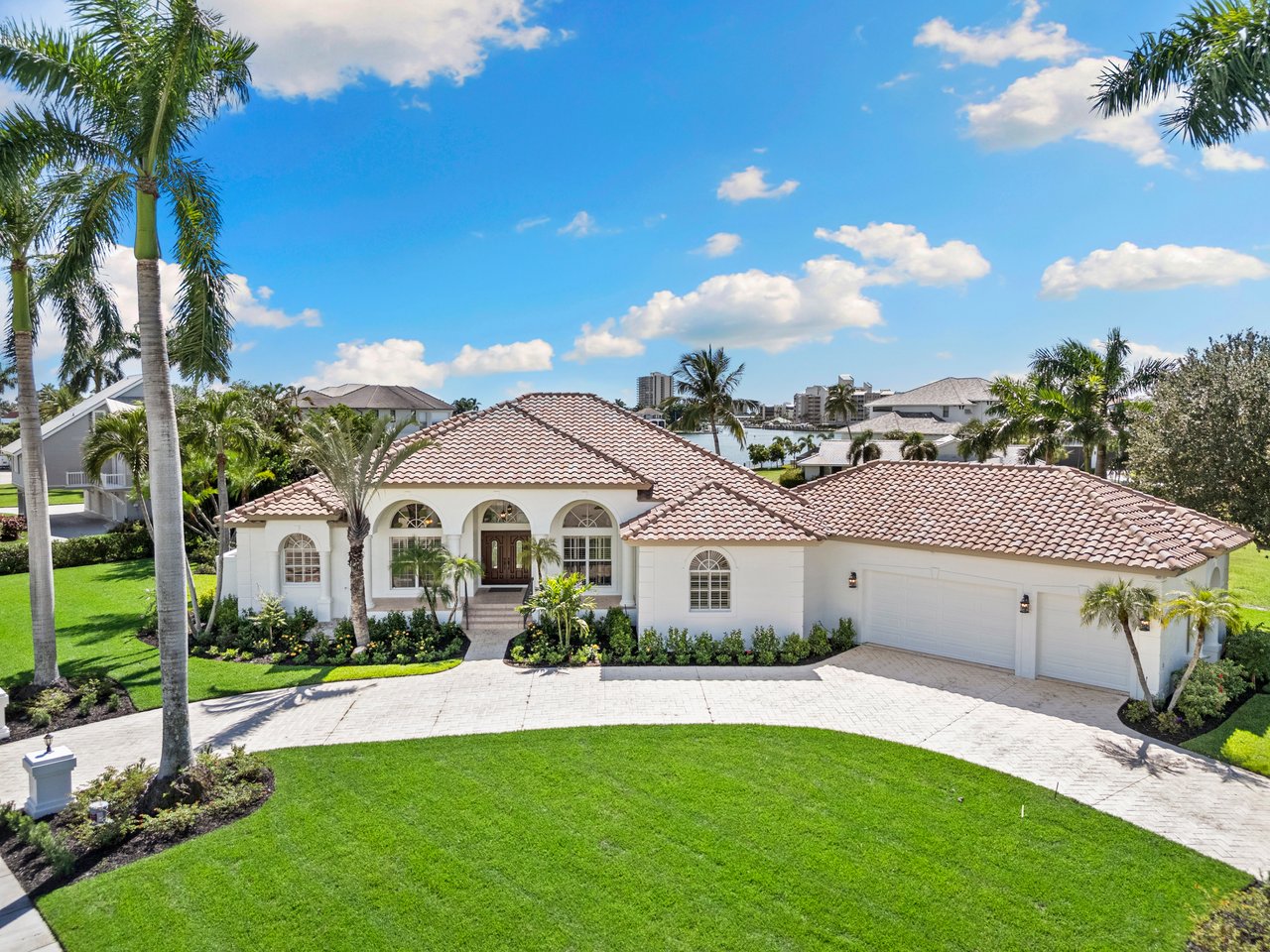
Trying to choose between a canal-front home with a dock and a quieter inland home near the water on Marco Island? You are not alone. Many buyers wrestle with how much they value direct boat access and views compared with cost, maintenance, insurance, and long-term risk. In this guide, you will learn what water-direct and water-indirect really mean here, how the trade-offs affect daily life and total cost of ownership, and the due diligence that protects your purchase. Let’s dive in.
Water-direct defined on Marco Island
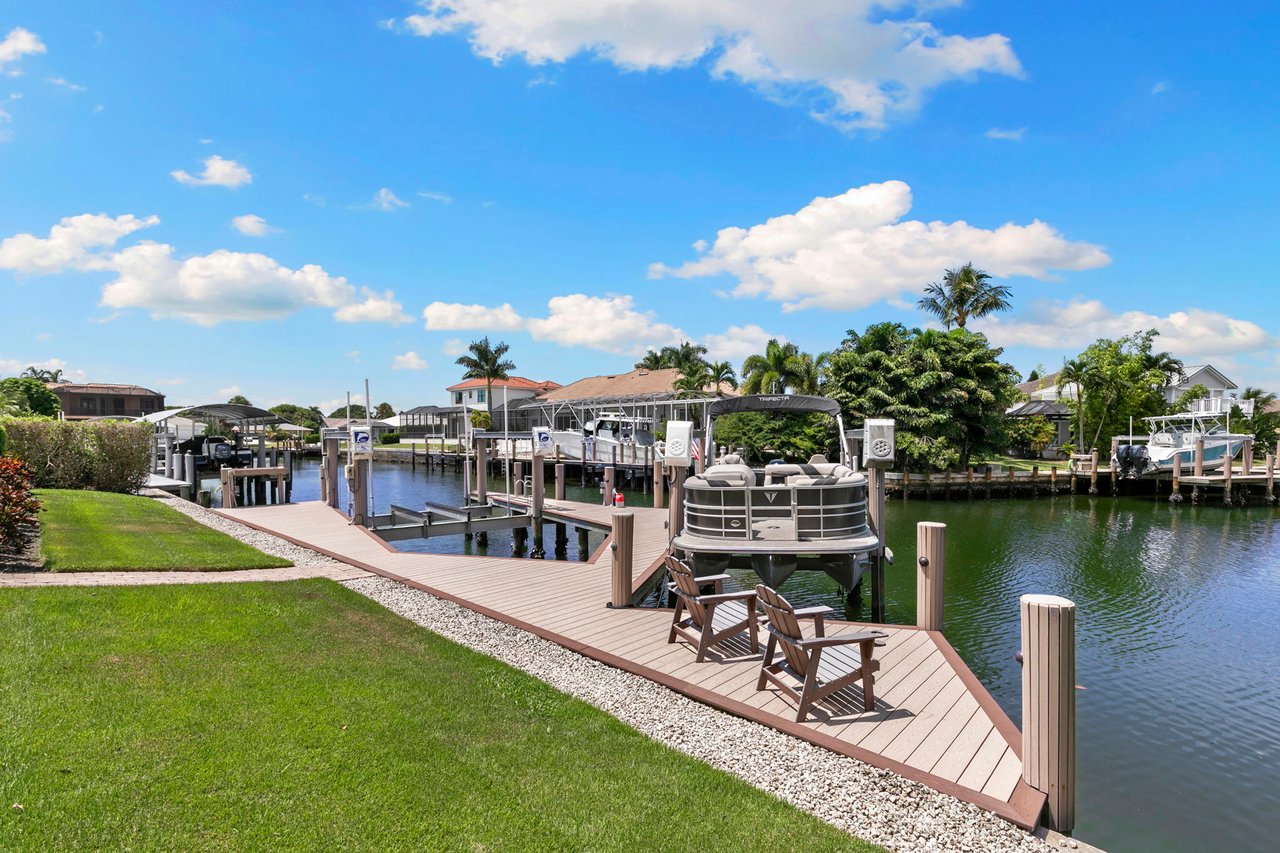
Water-direct means your property sits directly on navigable water, such as the Gulf, a bay or estuary, or a canal. You typically have immediate visual and physical access to the water and may have a private dock or lift, a seawall or bulkhead, or even beach frontage on Gulf-front lots. Waterfront on Marco spans open Gulf exposure, protected bays and inlets, and the island’s man-made canal network.
The tidal range in this area is modest, but tides and wind can swing water levels, especially during fronts and storms. This matters for dock usability, boat draft, and storm surge exposure. Littoral and riparian rights exist in Florida, but they are limited by permits, public trust, and local rules, which is why verifying what is allowed on a specific lot is essential.
Water-indirect defined locally
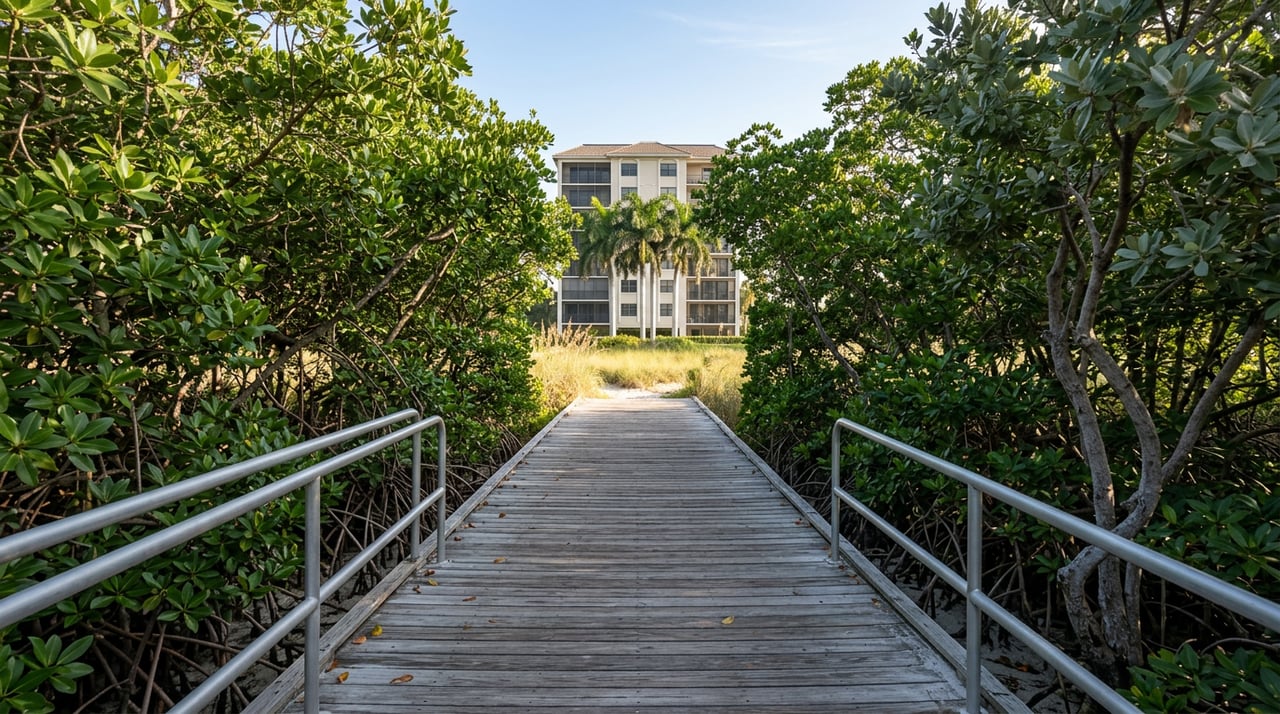
Water-indirect homes are near the water but not on it. You might be across the street from a canal, in a neighborhood with water views but no private dock, or inland with easy access to beaches and parks. Many buyers like these locations for lower carrying costs and simpler maintenance.
You can still enjoy public waterfront amenities without owning a seawall or dock. Some neighborhoods also have association rules that shape community access, so you should review HOA documents early in your search.
Benefits of water-direct
- Immediate access for boating, fishing, kayaking, and, for Gulf frontage, direct beach enjoyment.
- Premium lifestyle appeal and strong marketing pull for future resale, especially when well maintained.
- Broad range of view types, from open Gulf horizons to serene canal and bay vistas.
- Potential for private docks and lifts, subject to permitting and site specifics.
Trade-offs of water-direct
- Greater exposure to flooding, storm surge, and wave action, especially along Gulf and bay frontages.
- Higher insurance costs for flood and wind coverage, along with stricter underwriting in some cases.
- Ongoing maintenance for seawalls or bulkheads, docks, lifts, and metal components exposed to salt corrosion.
- Regulatory limits on what you can build or alter, including permits for seawalls, docks, mangrove trimming, and any dredging.
- Market sensitivity to storm events and long-term sea-level concerns that can influence pricing and liquidity.
Benefits of water-indirect
- Typically lower flood and storm-surge exposure, depending on elevation and location.
- Lower insurance premiums in many cases and fewer marine structure obligations.
- More purchasing power for the same interior space, finishes, and proximity to island amenities.
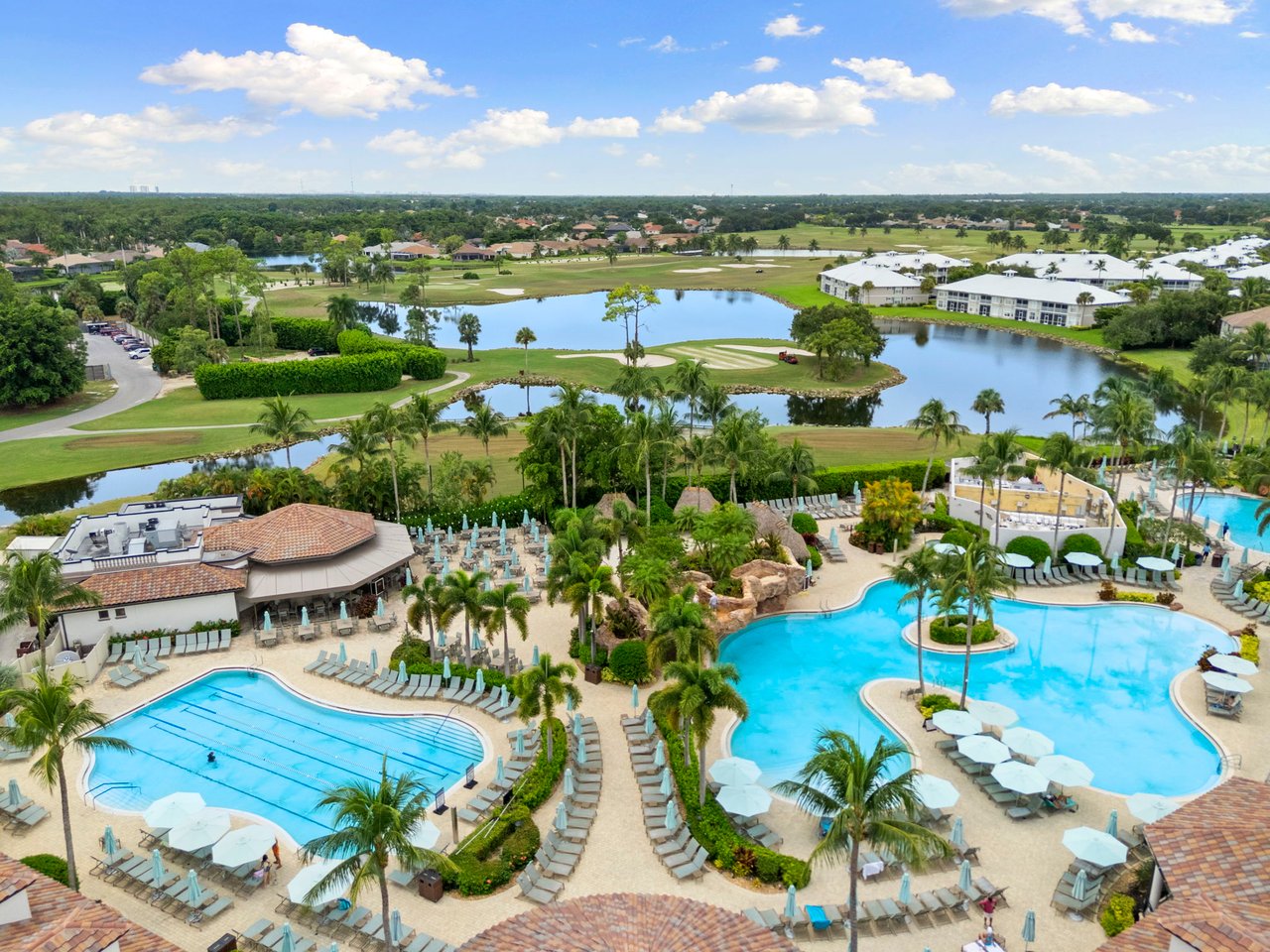
- Access to parks and beaches without maintaining a seawall or dock, which simplifies ownership.
Trade-offs of water-indirect
- No private dock or lift at your doorstep, which can add time and logistics for boating.
- Views can be limited or dependent on exact lot position and surrounding structures.
- If in a community with amenities, you may have HOA rules that govern any shared waterfront access.
Boat access and navigation factors
If boating is central to your lifestyle, water-direct can be compelling. Still, not all waterfront is equal. Depth at mean low tide, tidal range, shoaling patterns, and bridge clearances can limit boat size and timing. Deep-water canal segments and certain bayfront stretches may offer quicker routes to open water. Shallow canals or low bridge clearances can restrict draft and height.
For Gulf-front lots, you trade direct beach and view benefits for exposure to open-water conditions. Canal-front homes can provide sheltered docking but require attention to navigability and maintenance. Verify depth near the dock, the path to open water, and any seasonal or tidal constraints before you buy.
Flood, insurance, and building code basics
Marco Island is a barrier island, so hurricane wind and storm surge are core considerations. Many waterfront parcels fall within FEMA Special Flood Hazard Areas where lenders typically require flood insurance for federally backed mortgages. Wind coverage is separate from flood coverage in Florida, and policies are priced based on home specifics and location.
Florida Building Code and Collier County enforcement require coastal construction practices that address wind and flood risk. If a home is significantly damaged or you plan major improvements, you may need to elevate or rebuild to current standards. Ask for the property’s Elevation Certificate, lowest floor elevation, and permit history so you can understand insurance implications and potential code requirements after a storm.
Shoreline structures and mangrove rules
Seawalls, docks, lifts, and any dredging usually require permits that may involve Collier County, the Florida Department of Environmental Protection, and the U.S. Army Corps of Engineers. The specifics vary by site and structure. Even replacing a failing seawall or a dock often needs approvals.
Mangroves are protected habitats in Florida. Trimming or removal is regulated and commonly restricted, sometimes with mitigation requirements. If a property includes mangrove frontage, expect that visibility and access changes could be limited by law and timeline.
Water quality and canal upkeep
Canal segments can experience limited flushing, siltation, or occasional algal issues. Dredging is regulated and can be costly, and in some communities it is handled through shared projects or special assessments. Review community documents and recent meeting minutes for any planned maintenance, dredging assessments, or shoreline initiatives that could affect your costs and use of the waterway.
Investment, rental rules, and resale
Water-direct homes often attract second-home and vacation-rental demand, which can support pricing. Local short-term rental rules exist at the City and County level and may require registrations, taxes, inspections, and compliance with occupancy limits. Condominium and HOA bylaws can further restrict or shape rental activity.
For any investment scenario, verify local regulations, association rules, and past registration history if the home has been rented. Waterfront resale can be resilient in strong market periods, yet sensitivity to storm seasons, insurance costs, and perceived risk can influence both timing and price trends.
Cost checklist to compare
As you compare water-direct and water-indirect homes, build a total cost of ownership view that goes beyond the purchase price:
- Flood insurance premiums and flood zone status
- Separate wind or hurricane policy costs
- Seawall and tieback maintenance or replacement reserves
- Dock and lift upkeep, electrical and mechanical service
- HOA or condo fees and reserves, especially for waterfront components
- Potential special assessments for dredging or shoreline projects
- Utilities placement and floodproofing for mechanical systems
Due diligence before you write an offer
Gather key documents early so you can move with confidence:
- Current survey showing boundaries and the mean high water line or bulkhead location
- Elevation Certificate or lowest floor elevation data
- FEMA flood zone designation and any available prior flood-claim history
- Seawall or bulkhead inspection report with maintenance history and any enforcement notices
- Dock and lift permits, as-built drawings, and confirmation of permitted status
- HOA or condo documents, including bylaws, CC&Rs, rental rules, and recent meeting minutes
- Title commitment with any riparian or littoral rights language and recorded easements
- Building permit history for major improvements and any substantial improvement determinations
- Short-term rental registrations and tax records if applicable
- Water and sewer connection status and any utility easements
Specialists who help you verify
Engage licensed professionals who know coastal properties and local rules:
- Coastal or structural engineer for seawalls and foundations
- Marine surveyor or experienced dock contractor for dock, pilings, and navigability
- Licensed surveyor to verify boundaries relative to mean high water and seawalls
- Flood specialist or insurance agent for accurate premium guidance
- Real estate attorney experienced in Florida coastal rights and permitting
- Home inspector familiar with salt, moisture, and wind-driven wear
When the water-direct premium makes sense
Choose water-direct if your daily routine revolves around the dock, open-water views are a top priority, and you are comfortable with the added insurance, maintenance, and permitting complexity. The premium often aligns with lifestyle value and may support resale when well located and well maintained.
Choose water-indirect if you want proximity to the water without owning a seawall or dock, prefer lower premiums and simpler upkeep, or want more purchasing power for interior space and finishes. You can still enjoy Marco Island’s beaches and waterfront parks while managing long-term risk thoughtfully.
How we guide your decision
You deserve clear, local advice grounded in data and process. We help you compare specific lots and buildings, interpret flood and permitting details, and weigh lifestyle against long-term carrying costs so you can buy confidently. Whether you are exploring canal-front possibilities or seeking a low-maintenance near-water home, you will get straightforward guidance tailored to your goals.
Ready to narrow your search and move forward with clarity? Schedule a Consultation with the Devin Sweazy Group to map your shortlist and next steps.
FAQs
What is the difference between water-direct and water-indirect on Marco Island?
- Water-direct sits on navigable water with potential for docks and immediate access, while water-indirect is near the water with views or public access but no private shoreline.
How do flood zones and insurance affect waterfront affordability?
- Many waterfront parcels fall in FEMA SFHAs where lenders require flood insurance, and wind coverage is separate. Premiums depend on elevation, home features, and exact location.
Can you build or replace a seawall or dock in Collier County?
- Often yes, but permits are typically required from Collier County and state or federal agencies. Site specifics, mangroves, and prior conditions determine what is allowed.
Are mangroves removable to open views or access?
- Mangroves are protected. Trimming or removal is restricted and may require permits and mitigation. Expect limits on changes to vegetation and timelines for approvals.
Will sea-level rise impact future resale or insurance?
- Sea-level rise is a long-term factor. It can influence insurance pricing and buyer sentiment over time, so review projections and policy options as part of your planning.
What should boaters verify on canal-front homes?
- Confirm depth at mean low tide, bridge clearances, shoaling or dredging needs, and the route to open water to ensure it fits your vessel and use patterns.
Choosing between water-direct and water-indirect living on Marco Island isn’t just a property decision but a lifestyle decision. The right choice comes from understanding elevation, insurance, permitting, seawall condition, and how each location shapes your daily rhythm on the island. If you’re considering a move to a luxury coastal lifestyle and want guidance rooted in true local expertise, connect with the top Marco Island Realtor, Devin Sweazy. With deep knowledge of the island’s waterways, regulations, and micro-markets, Devin will help you navigate the details and so you can move forward with clarity and confidence.