Thinking about a home near Tigertail Beach and trying to decide if waterfront living is worth it? You are not alone. The area mixes a public beach, a peaceful tidal lagoon, and residential streets, so the trade-offs are real. In this guide, you will see how waterfront and inland options differ on price drivers, lifestyle, risk, and maintenance so you can choose with confidence. Let’s dive in.
Tigertail Beach at a glance
Tigertail Beach sits at the north end of Marco Island with a wide beach, a tidal lagoon, picnic areas, and wildlife viewing. It is a popular public day-use area, which means more visitors during peak season. Nearby, you will find Gulf-front condos and single-family homes, canal and bay-front properties with docks, and inland homes a short walk or drive from the sand. Marco Island is low-lying, so flood exposure and coastal conditions matter across both waterfront and inland streets.
Waterfront vs. inland: quick comparison
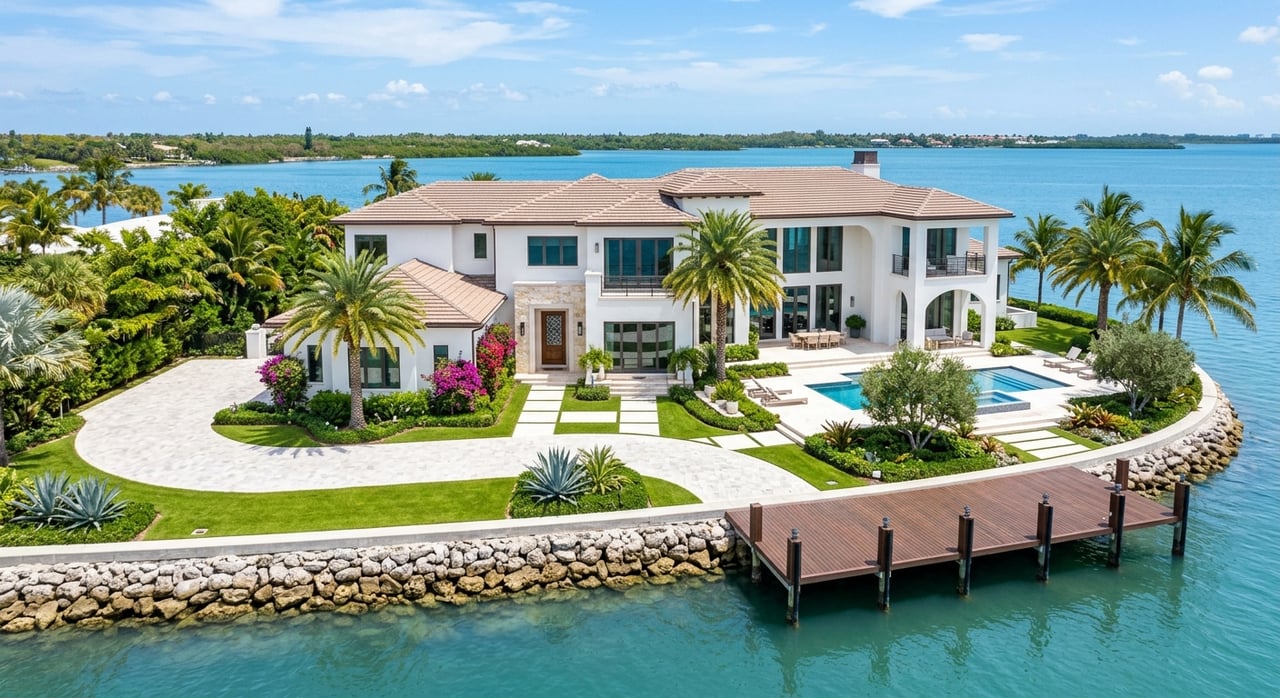
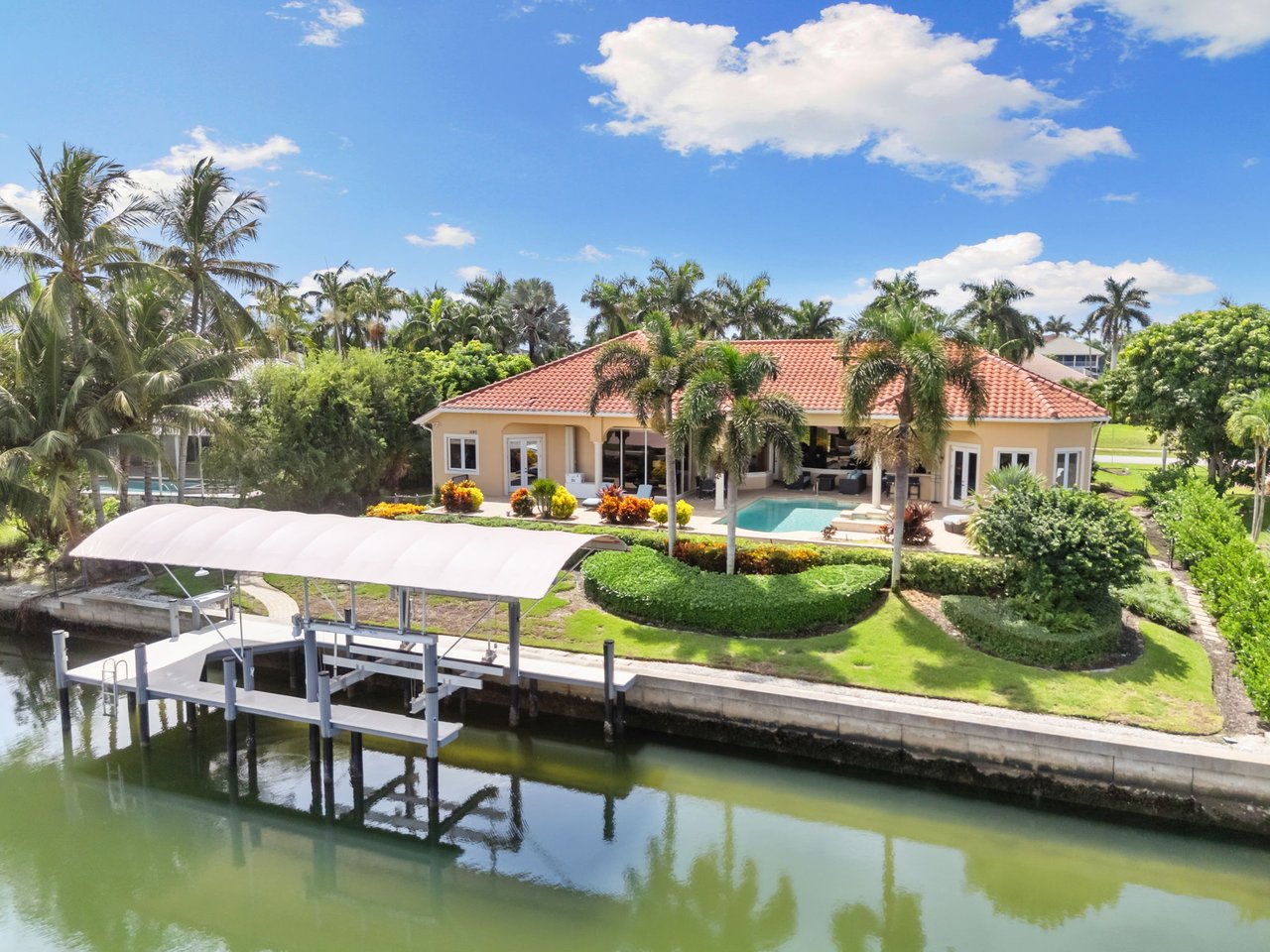
Waterfront strengths
- Direct access to boating, kayaking, paddleboarding, and fishing.
- Water views that are hard to replicate inland.
- Private docks reduce reliance on public launches and parking.
Waterfront trade-offs
- More exterior upkeep due to salt, wind, and dock or seawall maintenance.
- Higher exposure to flood and storm surge risk in many locations.
- Potential for visitor or boat noise near public access points.
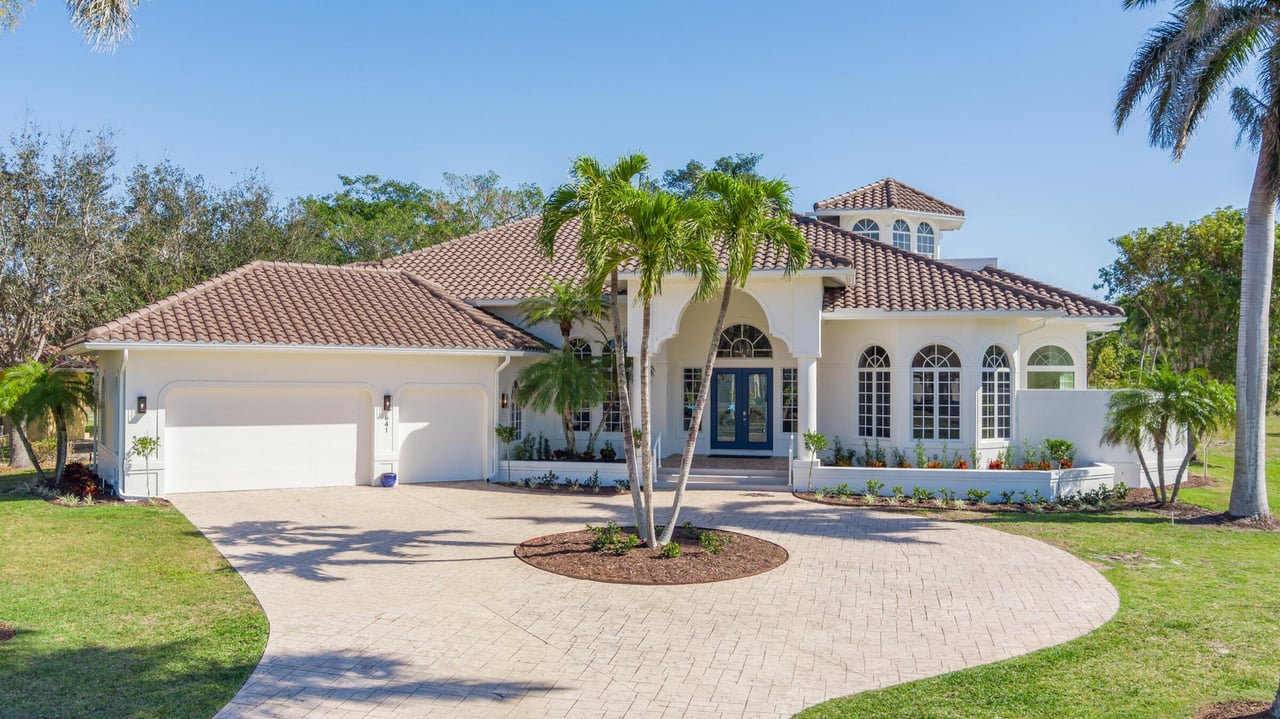
Inland strengths
- Lower purchase prices compared to similar-size waterfront homes in many cases.
- More neighborhood privacy and less tourist foot traffic.
- Reduced direct marine maintenance while staying close to the beach.
Inland trade-offs
- You may need public parking or community access for the beach.
- Boating convenience depends on getting a marina slip.
- Some inland parcels still fall in flood zones and need insurance.
Market dynamics to know
Waterfront properties typically command a premium because of water access and views. Broad analyses often show double-digit premiums and sometimes more, but the range varies by exact location, water depth, condition, and permits. For current, local comparisons, review recent sales and parcel data through the Collier County Property Appraiser.
Inventory can be tighter on the water, which can support pricing and quicker sales in strong markets. Inland areas usually offer more options and a wider buyer pool at lower price points. Resale value on the water often hinges on dock and seawall condition, permitted improvements, water depth and access time to the Gulf, and protection from wave action. Inland resale is driven by proximity to the beach, condition, and overall value relative to the neighborhood.
Lifestyle details that shape daily life
Access and recreation
Waterfront living puts you on the water by stepping off your dock. Kayaks, paddleboards, and boats are part of your routine. Inland owners can still enjoy Tigertail Beach with a short walk or drive, but you will rely on public parking or community access.
Public visitation and privacy
Properties near public access points may see more cars and foot traffic in season. Waterfront homes close to the public beach can experience more activity and occasional noise. Many inland streets feel quieter and more residential.
Wildlife and the natural setting
Tigertail’s lagoon and nearshore waters attract shorebirds and marine life. Waterfront homes may see this up close, which many owners love. Be prepared to follow local wildlife rules and speed zones.
Maintenance differences
Salt and wind mean more frequent exterior cleaning and corrosion checks on the water. Docks and seawalls require routine monitoring and occasional repairs. Inland homes still face coastal weather, but day-to-day maintenance demands are often lower.
Short-term rental potential
Waterfront homes often draw strong vacation interest and higher nightly rates. Rules vary by building, HOA, and local ordinances. Confirm registration, taxes, and any restrictions before you rely on rental income.
Risk, insurance, and permitting
Flood zones and mapping
Many Marco Island parcels, including those near Tigertail Beach, fall within FEMA Special Flood Hazard Areas. Always check the property’s zone on the FEMA Flood Map Service Center and request an Elevation Certificate if available. Lenders often require flood insurance in higher-risk zones.
Building codes and coastal work
Coastal high-hazard zones have stricter building requirements for elevation and wind resistance. Work on seawalls, docks, or shorelines typically needs permits and must meet current standards. Verify the status of existing permits and any prior repairs.
Sea-level rise and long-term exposure
Marco Island, like other low-lying Gulf communities, faces long-term sea-level rise and storm surge risk. Use NOAA’s Sea Level Rise Viewer to review scenarios and consider effects on insurability, financing, and resale over time.
Seawalls, docks, and condition
Seawalls are essential to waterfront stability and can be costly to repair or replace. Ask for inspection records and confirm permitted as-built drawings. For docks, verify water depth, lift capacity, and any restrictions on size or placement.
Insurance and financing
Flood, wind, and homeowners insurance terms vary by elevation, structure, and mitigation features. It is wise to get quotes early, especially for waterfront. Lenders may have stricter requirements or down payments in higher-risk zones or for properties with prior loss history.
Buyer checklist for Tigertail Beach
Documents and data
- MLS history and recent comparable sales.
- Collier County Property Appraiser parcel report.
- FEMA Flood Map zone and any Elevation Certificate.
- Seawall and dock permits, inspection records, and repair history.
- HOA or condo rules, including any short-term rental policy.
- Insurance history and prior claims, if available.
Inspections and reviews
- General home, roof, and pest inspections.
- Marine contractor inspection for seawall and dock.
- Elevation Certificate review or a new elevation survey.
- Corrosion and moisture checks for coastal mechanical systems.
- Permit history and certificate of occupancy confirmation.
Insurance and financing
- Obtain flood and homeowners insurance quotes early.
- Confirm lender requirements related to flood zones and elevation.
Environmental and regulatory
- Verify coastal construction lines and any shoreline restrictions.
- Check for active code cases or liens.
- Understand local lighting and wildlife protection rules that may affect beachfront properties.
Lifestyle checks
- Visit on weekdays, weekends, and in season to assess traffic and parking.
- If you plan to boat, confirm water depth, Gulf access time, and any speed zones.
- Ask about typical noise, visitor patterns, and high-tide impacts.
How to choose: a simple decision guide
Choose waterfront if you want daily boating or paddle time, premium views, and you are comfortable with higher maintenance and potential insurance costs. You value a shorter path to the Gulf and are prepared to manage seawall and dock needs over time.
Choose inland if you want close beach access with lower entry price points, less marine maintenance, and a quieter neighborhood feel. You are fine using public or community beach access and do not need a private dock.
How to verify your next step
- Look up the parcel’s flood zone on the FEMA Flood Map Service Center.
- Request or order an Elevation Certificate for accurate risk and insurance quotes.
- Use the Collier County Property Appraiser to review parcel details and sales history.
- Review NOAA’s Sea Level Rise Viewer for long-term context.
- Get insurance quotes and talk to your lender before you make an offer.
- Line up a general inspector and a marine contractor for seawalls and docks.
Ready to compare specific homes around Tigertail Beach and make a confident move? Connect with Devin Sweazy for data-backed guidance and a clear plan from search to closing.
FAQs
What counts as “waterfront” near Tigertail Beach?
- Waterfront commonly includes Gulf-front, canal-front, bay, inlet, or lagoon frontage. Each type has different boating access, views, and maintenance considerations.
Do you need flood insurance on Marco Island?
- If your home is in a FEMA Special Flood Hazard Area and you have a mortgage, lenders usually require flood insurance. Check your zone on the FEMA Flood Map Service Center.
How should you factor sea-level rise into a purchase?
- Review long-term scenarios with NOAA’s Sea Level Rise Viewer and consider elevation, mitigation features, and insurance impacts over the time you plan to own the home.
Can you build or repair a dock or seawall by Tigertail Beach?
- Often yes, but most shoreline work needs permits and must meet current standards. Verify existing permits and have a marine contractor assess condition and feasibility before you commit.
Are short-term rentals allowed around Tigertail Beach?
- Many properties have vacation rental histories, but rules, registration, taxes, and HOA or condo policies vary. Confirm current requirements before assuming rental income.
What maintenance budget differences should you expect on the water?
- Waterfront homes typically need more frequent exterior cleaning, corrosion checks, and dock or seawall upkeep. Inland homes still face coastal wear but usually at a lower intensity.