If you own a yacht or plan to move up to a larger vessel, buying in The Estates is about much more than finding a beautiful waterfront home. You need the right lot, the right dock setup, and the right boating access for the way you actually use the water. This guide walks you through what matters most in The Estates on Marco Island, so you can evaluate properties with more confidence and fewer surprises. Let’s dive in.
Why The Estates Stands Out
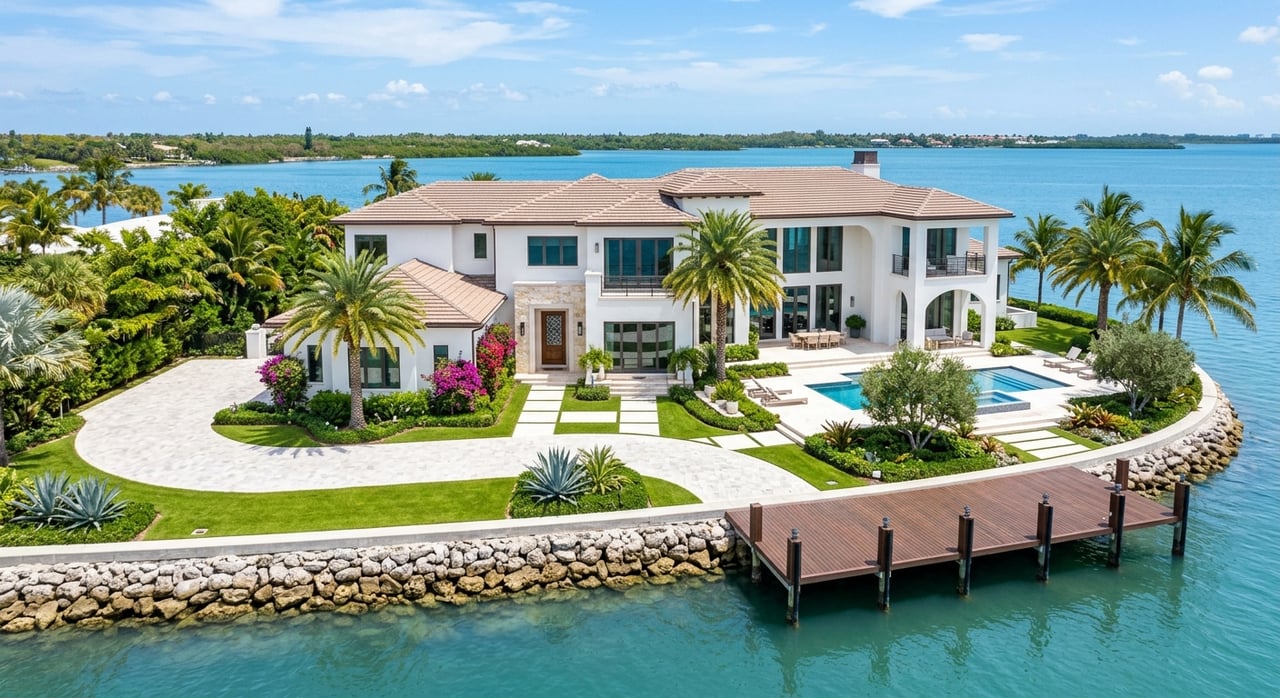
For yacht owners, The Estates often draws attention because the inventory tends to feature larger waterfront parcels, not tighter in-town lots. Recent public listings have highlighted homesites and homes with substantial lot sizes, private docks, boat lifts, and more than 100 feet of waterfront frontage.
That pattern matters because your decision may hinge just as much on the site as on the house. In this part of Marco Island, buyers often focus on frontage, lot shape, exposure, dock capacity, and how easily a vessel can get out to open water.
Boating Access Comes First
In The Estates, the biggest boating question is usually your route to Caxambas Pass. The strongest listings in this area repeatedly emphasize direct Gulf access or no-bridge access, which tells you how important that route is for larger boats.
The City of Marco Island notes that many boaters elsewhere on the island may pass under one, two, or even three bridges before reaching the Marco River or the Gulf. That is why buyers in The Estates often place a premium on properties where the boating path is more direct.
Why tides still matter
Dock depth is not just a high-tide question. NOAA’s Marco Island, Caxambas Pass tidal station reports a mean tidal range of 2.21 feet and a diurnal range of 3.05 feet.
For you, that means vessel draft, tide stage, and lift clearance need to work together throughout the day. A property that looks fine at one moment may require a closer review when you think through your actual boating schedule and vessel specs.
Look Beyond the House
In The Estates, the land and shoreline improvements can carry major value. Listing language in this submarket often highlights seawalls, docks, lifts, waterfront footage, and lot exposure right alongside the interior features of the home.
That is a strong clue about how this market behaves. If you are buying as a yacht owner, your purchase decision should account for the full waterfront setup, not just square footage, finishes, or pool design.
Waterfront frontage and lot shape
Large-boat buyers should pay close attention to the parcel itself. Frontage width, corner positioning, shoulder conditions, and irregular lot lines can all affect how a dock is laid out and whether future changes are practical.
The city’s residential plan review requirements show how important geometry is. Dock applications require a site plan, side-property distances, protrusion into the waterway, plumbing locations, and a plat map that shows waterway width at the site.
Exposure affects daily use
In The Estates, public listings often call out southern or southwestern exposure. That can influence sunlight, sunset views, and how outdoor living areas relate to the dock, pool, and lanai.
For yacht owners, this is more than a design preference. Exposure can shape where your boat sits, how you use the outdoor space, and how the view corridors line up across the property.
Check the Dock and Seawall Early
If a property already has a dock, lift, or seawall, do not assume the setup is ideal for your vessel just because it exists. The best time to study these items is before you get too far into the process.
The City of Marco Island’s plan review materials show that dock and seawall work can involve detailed site documentation, and proof of outside permitting may also be required in some cases. That means existing improvements, and future changes, deserve careful review.
What to verify before making an offer
- Whether the existing dock, lift, and seawall appear permitted and in usable condition
- Whether the plat map and waterway width support your preferred vessel size and dock layout
- Whether the lot shape could limit dock placement, lift location, or shoreline improvements
- Whether visible improvements match available permit history
One recent listing in The Estates displayed permit history entries tied to dock lift work, seawall replacement, and a sewer tap. That is a useful reminder to review prior approvals instead of relying only on what you can see from the dock.
Use City GIS to Confirm the Details
Marketing remarks are helpful, but waterfront buyers benefit from an independent map review. Marco Island maintains GIS tools and a data hub that can help you cross-check parcel details.
According to the city, the base-map legend includes parcels, roads, city limits, flood hazard areas, sewer districts, wetlands, and a design-flood-elevation layer. For a buyer in The Estates, that makes GIS a practical tool for confirming boating and site characteristics shown in listing materials.
A useful map review checklist
Before you move forward on a property, review:
- Parcel boundaries and shape
- Flood hazard area placement
- Sewer district information
- Wetlands or other mapped site conditions
- The lot’s position relative to the boating route toward Caxambas Pass
This kind of review can help you spot issues early and ask sharper questions before you commit.
Floodplain Rules Matter in The Estates
Flood diligence should be part of your buying analysis from the start. The City of Marco Island says its current FIRM effective date is 02/08/2024, with enforcement effective 01/01/2024, and that the Special Flood Hazard Area zones on the island are AE and VE.
The city also states that 98% of Marco Island is in a Special Flood Hazard Area. It notes a design flood elevation of 9 feet NAVD, or base flood elevation plus 1, and says permit applications for additions and alterations require floodplain review.
Why older homes need extra review
For estate properties, age matters. The city treats structures built before 09/14/1979 as pre-FIRM, which can affect renovation and rebuild decisions.
That is especially relevant in a neighborhood where some purchases may be move-in ready, while others may lean toward major renovation or replacement. If you are comparing two waterfront properties, the easier boating setup may not be the only factor shaping your long-term cost and plans.
Insurance is part of the math
Marco Island reports a Community Rating System Class 5 rating. The city says that rating warrants an automatic 25% discount on NFIP policies.
That does not remove the need for property-specific insurance review, but it does show why flood-zone verification belongs in your acquisition analysis early. On a waterfront estate, insurance costs and flood-related requirements can influence the total picture just as much as dock upgrades or cosmetic improvements.
Sewer Status Can Affect Closing Costs
Sewer diligence is another area that deserves attention before you buy. Marco Island’s sewer FAQs explain that central sewer expansion was necessary because septic systems are not appropriate in a high-water-table coastal setting with extensive waterways.
The city also says unpaid sewer assessments in an assessment district are due at sale or transfer. For buyers in The Estates, that means you should confirm the parcel’s current assessment status rather than assume a general neighborhood label tells the whole story.
Why this matters in a changing estate market
The city notes that a business plan is underway to expand wastewater collection and eliminate septic tanks. It also notes a recent trend of older homes being demolished and replaced with larger residential structures.
That fits what many buyers already sense in this segment of Marco Island. Some homes are lifestyle-ready as they sit, while others are really site purchases where boating access, redevelopment potential, and infrastructure details drive value.
A Smart Buying Strategy for Yacht Owners
When you buy in The Estates, it helps to think in layers. Start with the boating route, then evaluate the dock and seawall, then confirm flood and sewer details, and finally assess how the house fits your lifestyle and goals.
A simple approach can keep you focused:
- Confirm the route to Caxambas Pass and whether bridge-free access is truly available.
- Match the dock layout to your vessel’s beam, draft, and lift needs.
- Review frontage, lot shape, and exposure.
- Cross-check flood hazard and design flood information.
- Verify sewer district and assessment status.
- Review permit history for shoreline and utility improvements.
For many buyers, this process helps separate a pretty waterfront address from a property that truly works for large-boat ownership.
If you are weighing properties in The Estates, the right guidance can save time and help you avoid expensive surprises. Devin Sweazy brings Marco Island market knowledge, a data-driven process, and clear local insight to help you evaluate waterfront opportunities with confidence.
FAQs
What makes The Estates attractive for yacht owners on Marco Island?
- The Estates often features larger waterfront parcels, substantial frontage, and listings that emphasize direct Gulf access, private docks, lifts, and boating-oriented site features.
Why is Caxambas Pass important when buying in The Estates?
- Caxambas Pass is a key boating access point, and many buyers focus on how direct the route is because bridge limitations elsewhere on Marco Island can affect larger vessels.
What dock details should buyers verify in The Estates?
- You should verify dock layout, lift fit, seawall condition, permit history, waterway width, and whether the site can support your vessel size and any future improvements.
How do flood rules affect buyers in The Estates on Marco Island?
- Marco Island says most of the island is in a Special Flood Hazard Area, and floodplain review can affect insurance, renovation plans, additions, and rebuild decisions.
Can sewer assessments affect a purchase in The Estates?
- Yes. The city says unpaid sewer assessments in an assessment district are due at sale or transfer, so buyers should confirm the property’s current status before closing.
Why does lot exposure matter for waterfront buyers in The Estates?
- Listings often highlight southern or southwestern exposure because it can affect sunlight, sunset views, and how the dock, pool, lanai, and outdoor living areas work together.