Florida’s Property Tax Debate Is Heating Up
One of the biggest conversations happening across Florida right now is the future of property taxes — and for homeowners, buyers, and investors alike, the discussion could have significant long-term implications.
Over the past several months, Florida politicians have introduced a variety of proposals aimed at reducing or restructuring property taxes statewide. While no formal plan has been finalized, the growing momentum behind the conversation has captured the attention of homeowners throughout the state, particularly in high-value coastal markets like Marco Island.
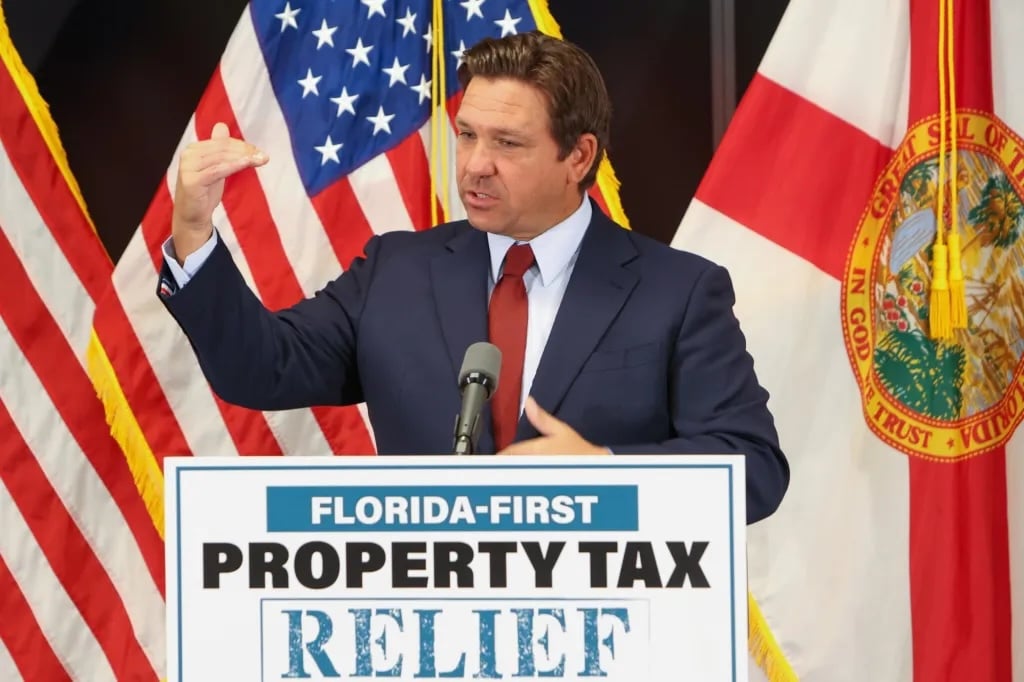
Republican Governor Ron DeSantis has publicly stated that he would like lawmakers to revisit the issue during a special legislative session, although no official proposal or session date has yet been announced.
With the November 2026 election less than seven months away, many are asking the same question: Could Florida actually eliminate property taxes?
What’s Being Proposed?
At this stage, there is no single finalized proposal. Instead, lawmakers are discussing several different approaches to reducing property taxes, many of which would require an amendment to the Florida Constitution.
Because property taxes fund critical local services, any major change would require broad approval from both legislators and Florida voters.
Some of the proposals currently being discussed include:
- Eliminating non-school property taxes for homesteaded primary residences
- Gradually phasing out certain property taxes over a 10-year period
- Increasing homestead exemptions significantly over time
- Expanding tax relief for seniors on fixed incomes
- Limiting reassessment spikes when purchasing a home
- Allowing certain property improvements without triggering higher tax assessments
- Providing additional relief for small businesses
One of the more widely discussed concepts would eliminate all non-school property taxes on homesteaded properties while still preserving taxes that fund public education.
For homeowners in areas with higher property values and tax bills — including many luxury coastal markets throughout Southwest Florida — the savings could potentially be substantial.
Why This Is Such a Complex Issue
While the idea of lowering property taxes is understandably attractive to many homeowners, the reality is far more complicated.
Property taxes currently fund a significant portion of local government operations, including:
- Police and fire departments
- Emergency response services
- Public schools
- Infrastructure and road maintenance
- Parks and recreation
- Local government operations
According to the Florida Association of Counties, many counties throughout the state rely heavily on property tax revenue to operate essential services.
Local governments have expressed concern that major reductions in property taxes could lead to higher sales taxes, increased government fees, or reductions in services if replacement revenue is not identified.
This is one reason why the discussion remains highly debated among lawmakers, municipalities, and homeowners alike.
What Would Need to Happen?
Most of the current proposals would require a constitutional amendment, which is a significant hurdle.
In order for any major property tax reform to move forward, it would likely require:
- Approval by three-fifths of both the Florida House and Senate
- Placement on the November 2026 ballot
- Approval by at least 60% of Florida voters
In other words, while the conversation is very active, there is still a long road between discussion and actual implementation.
What Marco Island Homeowners Should Watch Closely
For homeowners in luxury and waterfront markets like Marco Island, property taxes often play a major role in overall ownership costs and buyer decision-making.
If meaningful tax relief were eventually approved, it could positively impact affordability, long-term carrying costs, and overall demand for Florida real estate — particularly among retirees, second-home buyers, and those relocating from high-tax states.
However, there are still many unanswered questions surrounding how local governments would replace lost revenue and how these changes would affect public services and infrastructure over time.
At this point, the proposals remain exactly that: proposals.
Still, the fact that this conversation has moved so prominently into Florida politics signals that property tax reform will likely remain one of the state’s biggest topics heading into the 2026 election season.
As Devin Sweazy Group continues keeping clients informed on the issues impacting Southwest Florida real estate, understanding these potential policy changes is an important part of navigating the market with confidence.