Shopping the waterfront on Marco Island can feel like comparing four different islands. You weigh sunsets against slip size, quiet bays against walkable beach access, and premium views against insurance and seawall costs. If you know what to look for, the right fit becomes clear and you avoid surprises after closing. In this guide, you’ll learn how Gulf-front, bay-front, canal-front, and inland water-view homes differ in price position, boat access, lifestyle, and ownership costs, plus what to verify before you buy. Let’s dive in.
Marco Island waterfront at a glance
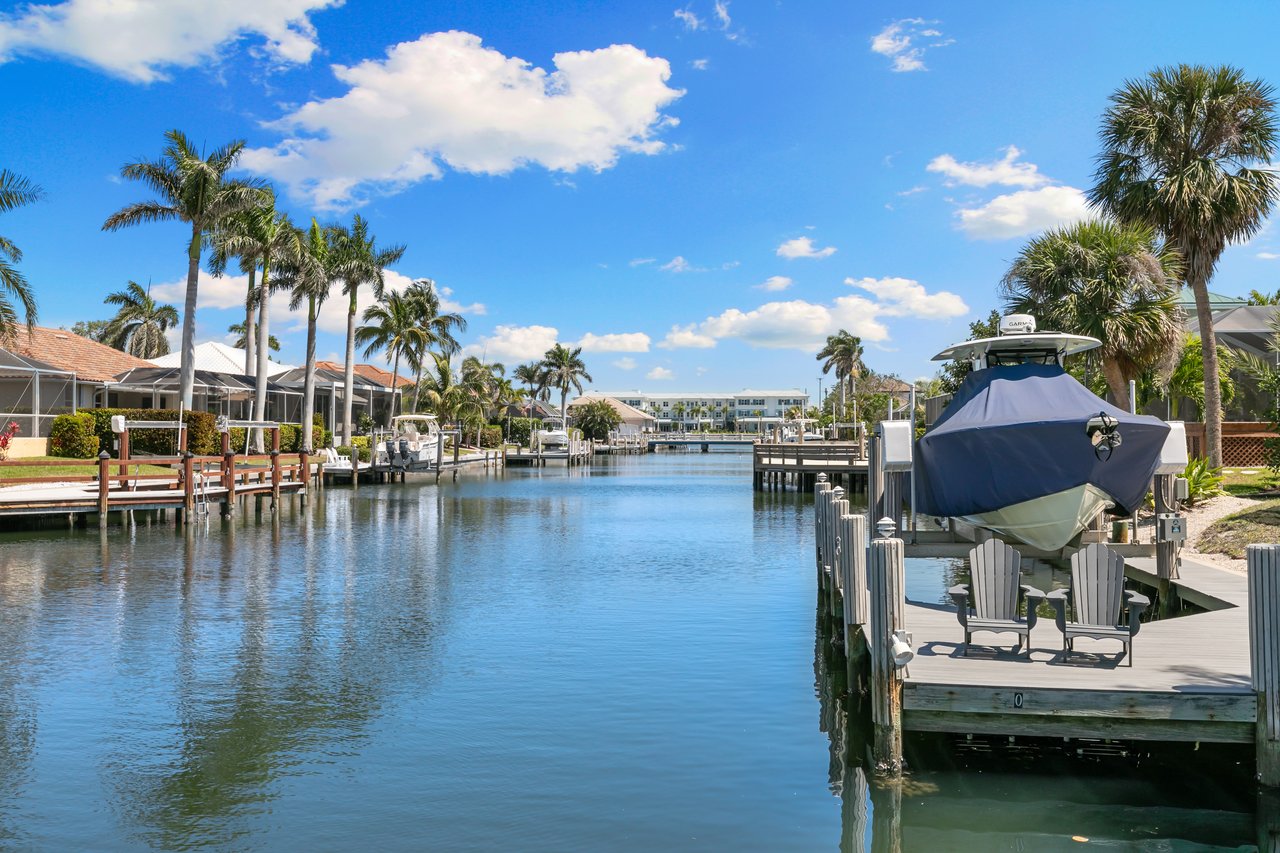
Marco Island is a barrier island with a Gulf shoreline to the west and an inland bay and estuary network to the east. The interior is laced with canals that connect to bays and the Marco River, which lead to Gulf passes. Boat access varies by canal depth, dredging, and bridge clearances, so two nearby homes can live very differently for a boater.
Buyer demand spans several groups. Many second-home owners and vacationers prioritize the beach and sunsets. Boaters and anglers focus on dock depth and a quick, unobstructed route to open water. Investors often look to condos with strong amenities and rental programs, where association rules allow.
Pricing follows a general hierarchy. Gulf-front beachfront properties tend to command the highest per-square-foot prices for west-facing views and direct beach access. Well-positioned bay-front and premium canal homes with deep water and private docks are next. Canal homes with limited depth or longer routes to open water sit midrange. Inland water-view properties usually carry the smallest waterfront premium.
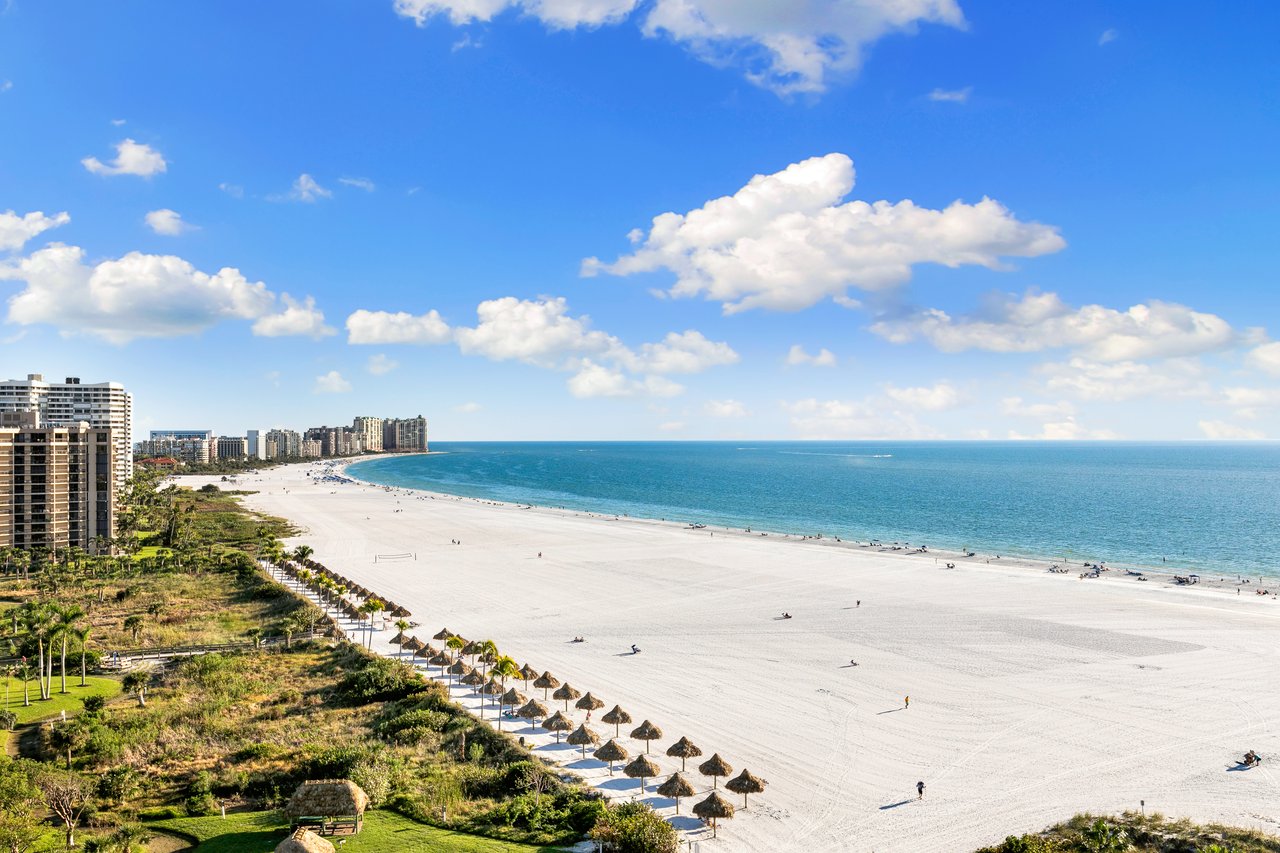
Gulf-front: beach-first living
Gulf-front covers single-family beachfront homes and beachfront or near-beach condos. You buy for the unobstructed western exposure, sand at your doorstep, and that classic sunset view. Many buildings also offer strong seasonal rental draw when association rules permit.
- Boat access: This is not the main play. Many Gulf-front properties do not include deep-water private docks. Owners who boat often use marinas or keep a secondary slip on canal or bay-front property.
- Lifestyle: Daily shoreline access, vibrant seasonal energy, and walkable beach amenities define your routine.
- Pros: Best views and direct beach access. Strong demand from vacation and second-home buyers. Premium resale potential when well maintained.
- Cons: Higher construction and insurance costs, exposure to coastal storms, and limited private mooring at many sites. Condo associations can be more structured, and peak-season visitor traffic is common.
Bay-front: sheltered water and boating
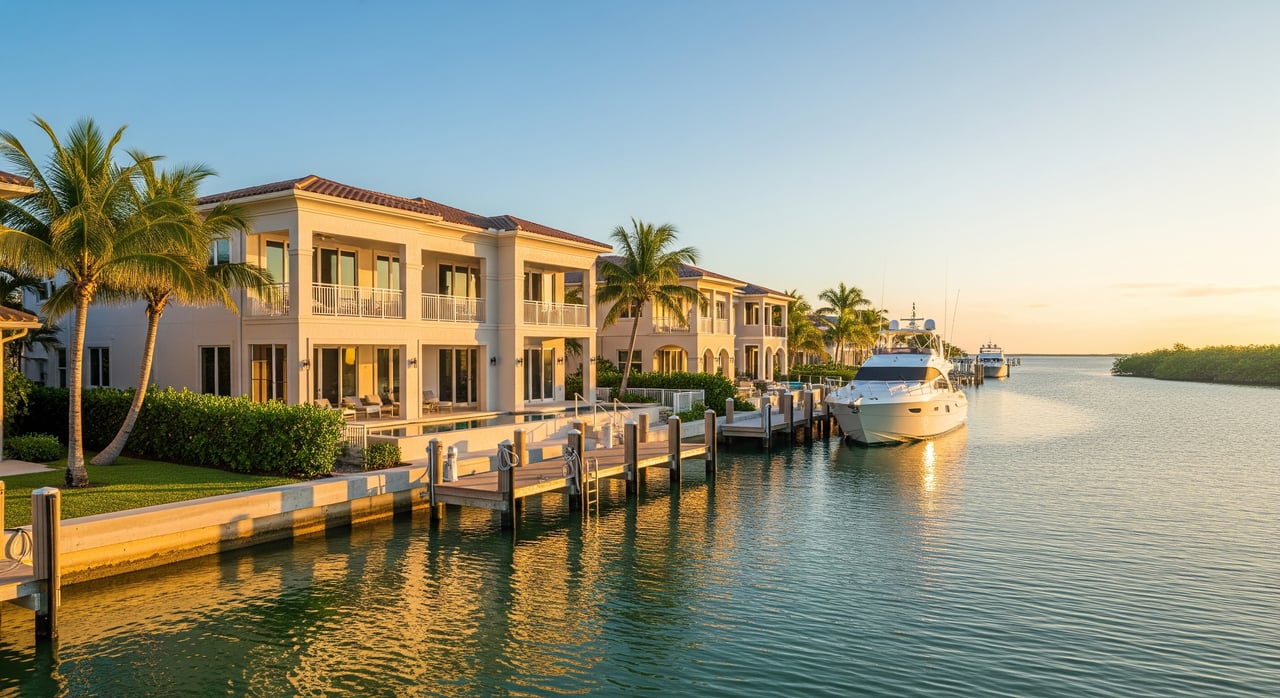
Bay-front and riverfront homes line protected waters with a mix of single-family and condo options. Many offer docks on navigable channels with a shorter run to open water, depending on tides and channel conditions.
- Boat access: Often good to excellent where deep-water docks and clear channels exist. Travel time to the Gulf can be short but may fluctuate with tide levels.
- Lifestyle: A balanced blend of boating, kayaking, and paddleboarding on calmer water. Typically quieter than beachfront with wide water views.
- Pros: Protected waters, strong docking options, and a family-friendly setting for low-wake activities.
- Cons: Some areas restrict larger vessels or have shallower approaches. Mangrove conservation can limit shoreline changes. Mosquito activity can be higher in certain back-bay settings.
Canal-front: neighborhood boating life
Canal-front properties range from modest homes to luxury residences along interior canals. The experience varies street by street based on depth, dock setup, and bridge clearances.
- Boat access: Highly variable. Depth at mean low water, bridge heights, and route to main channels make or break boatability. Premium canals approach bay-front pricing when they offer deep water and no low bridges.
- Lifestyle: Private docks, backyard fishing, and a quiet neighborhood feel. You enjoy outdoor living without the bustle of the beach.
- Pros: Often the best value for true private boat access. Many homes include docks and lifts.
- Cons: Seawall and dock upkeep is ongoing. Some canals shoal seasonally or require dredging. Enclosed canals can have less desirable water quality at times.
Inland water views: scenery and value
Inland water-view homes and condos overlook lakes, ponds, mangrove creeks, or non-navigable lagoons. You get peaceful scenery without the expense and maintenance of a dock.
- Boat access: Usually none for motorboats. Kayaks or small craft may be possible in certain settings, but access is often restricted or regulated.
- Lifestyle: Quiet, lower-maintenance living focused on views rather than boating.
- Pros: Lower insurance exposure compared to true waterfront, fewer structural maintenance items, and more approachable prices.
- Cons: Minimal to no boat utility and a smaller value premium compared to navigable waterfront.
Pricing and access tiers compared
- Highest premiums: Gulf-front beachfront for direct sand access and west-facing views.
- Upper tier: Bay-front and premium canal homes with deep-water docks and short, unobstructed routes to open water.
- Midrange: Canal-front with longer or shallower runs, or bridges that limit vessel height.
- Entry waterfront premium: Inland water views where scenery drives value rather than boat access.
Risks, insurance, and true costs
Much of Marco Island’s waterfront lies in FEMA flood zones such as AE, VE, or A. Confirm the exact designation on each property, and obtain elevation certificates when available. Long-term sea-level rise and shoreline dynamics can influence insurance, permitting, and resiliency investments over time.
Expect a layered insurance stack. Coastal ownership often includes homeowners coverage plus windstorm and flood policies through the NFIP or private markets. Premiums and deductibles vary widely; lenders require flood insurance in Special Flood Hazard Areas.
Budget for the marine environment. Salt air accelerates corrosion. Roof, HVAC, and exterior components need timely upkeep. For condos, study the reserve funding for seawalls, docks, and roofs, and review any planned assessments.
Docks, seawalls, and boatability
Your dock and seawall are core to value if boating is a priority. Verify permitted dock size, current configuration, and lift capacity. Ask for depth at the dock at mean low water and along the full route to the Gulf.
Seawall condition matters. Replacement or major repair can be a large capital event. Request maintenance and permit history, and consider a professional seawall and dock inspection before finalizing terms.
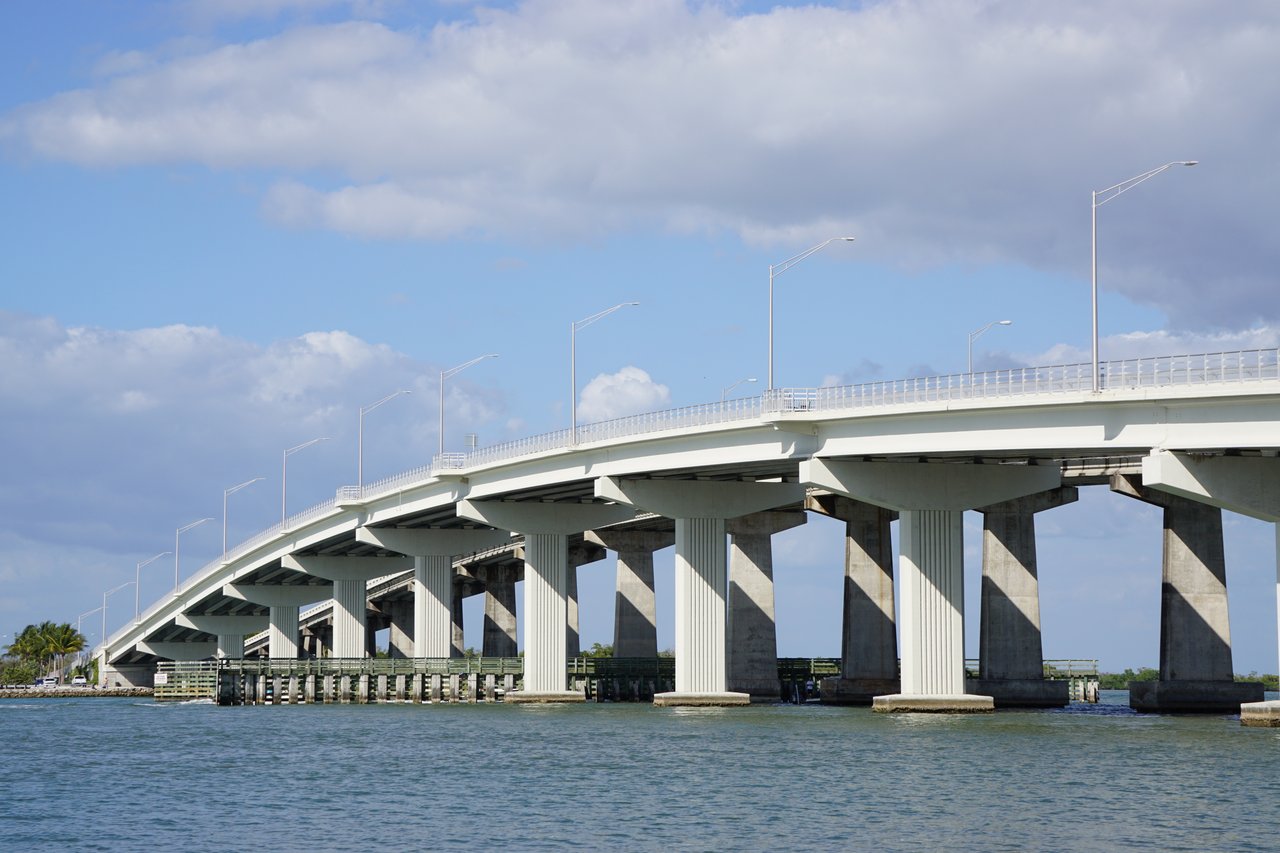
Bridge and channel constraints affect vessel choice. Fixed bridge heights and local no‑wake zones shape real travel time. For larger or taller-profile boats, even one low bridge can be a deal breaker.
Rentals, HOAs, and rules
Short-term rental permissibility varies by property type and association. Some beachfront condos see strong seasonal demand, but rules on minimum stays, caps on bookings, and guest policies differ by building. Review the HOA or condo documents, including pet and docking rules, before you commit.
Local ordinances govern transient rental taxation, licensing, and occupancy. Align your income expectations with actual building rules and city or county requirements. For investors, request documented rental history, typical occupancy patterns, and net yields after HOA fees, management, insurance, and taxes.
Seasonality and liquidity
Demand often peaks in winter and spring when seasonal visitors arrive. Listing exposure and pricing leverage can vary by month. Premium waterfront estates may have a smaller buyer pool but hold pricing power when demand aligns. Mid-priced canal homes can move more quickly due to broader appeal.
If you plan to rent, align your calendar to high-season demand. Expect stronger rates and occupancy in peak months and a softer shoulder season. Price, amenities, and access to beach or boating all shape rental performance.
What to verify before you buy
Use this checklist to reduce risk and confirm fit for your goals:
- Property basics: Year built, lot dimensions, waterfront frontage in linear feet, and detailed seawall and dock specs.
- Comparable sales: Recent closed comps within your micro-market segment. Track days on market and list-to-accepted price trends for similar waterfront types.
- Boat specifics: Water frontage type, dock length and width, permitted boat size, lift details, pile condition, and depth at mean low water.
- Gulf route: Channel depth along the path, no‑wake zones, fixed bridges and their vertical clearances, and any tidal restrictions.
- Flood and insurance: FEMA flood zone, elevation certificate status, current insurance premiums, and prior claims history.
- Permits and condition: Seawall and dock permits and maintenance records, plus date and scope of recent work or replacement.
- HOA and rules: Rental policies, pet rules, docking and exterior guidelines, and insurance requirements. Confirm any recorded easements.
- Environmental factors: Presence of mangroves or seagrass, shoreline erosion history, and any planned dredging or public works.
- Financials: Property taxes, special assessments, expected maintenance, and capital expenditures for marine structures.
- Inspections: Seawall and dock inspection, structural inspection focused on salt exposure and wind mitigation, and utility checks for sewer, water, and drainage.
- Context: Proximity to marinas, public ramps, boat service, groceries, medical services, evacuation routes, and historical storm surge maps.
Which segment fits your goals
- You want the beach and sunsets: Focus on Gulf-front. Accept that you may use marinas for boating.
- You want fast Gulf access: Target bay-front or premium canal properties with documented depth and no limiting bridges.
- You want private dock value: Look at canal-front options with adequate depth and a practical route to the main channels.
- You want views without the dock costs: Consider inland water views for scenery and lower carrying costs.
- You want rental potential: Beachfront condos in buildings that allow seasonal rentals can perform well, subject to association rules and seasonality.
Plan your move with a trusted advisor
Choosing the right micro-market on Marco Island comes down to clarity on access, risk, and lifestyle. A disciplined process protects your time and capital. You get more certainty when you pair on-the-ground intelligence with data on depth, docks, insurance, and HOA rules.
If you want calm, confident decision-making and global marketing reach when it is time to sell, connect with Devin Sweazy for a focused, data-backed plan.
FAQs
What are the key differences among Gulf, bay, canal, and inland homes on Marco Island?
- Gulf-front prioritizes beach and sunset views, bay-front blends protected water with good docks, canal-front varies by depth and bridge clearance, and inland water views trade boat access for scenery and lower costs.
How do I confirm a Marco Island home’s true boatability?
- Request depth at the dock at mean low water, a mapped route to the Gulf with known channel depths, fixed bridge clearances, and permitted dock size, then consider a professional marine inspection.
Which Marco Island segment suits serious boaters?
- Bay-front or premium canal-front with documented deep water and short, unobstructed routes to open water typically serve boaters best.
Are inland water-view properties a good value on Marco Island?
- Yes. You get pleasant views and often lower insurance and maintenance compared to navigable waterfront, but you give up practical boat access.
What insurance and flood risks should I expect on Marco Island waterfront?
- Many waterfront parcels lie in FEMA flood zones, so lenders may require flood insurance. Expect windstorm coverage needs, and verify elevation certificates and premium history for the specific property.