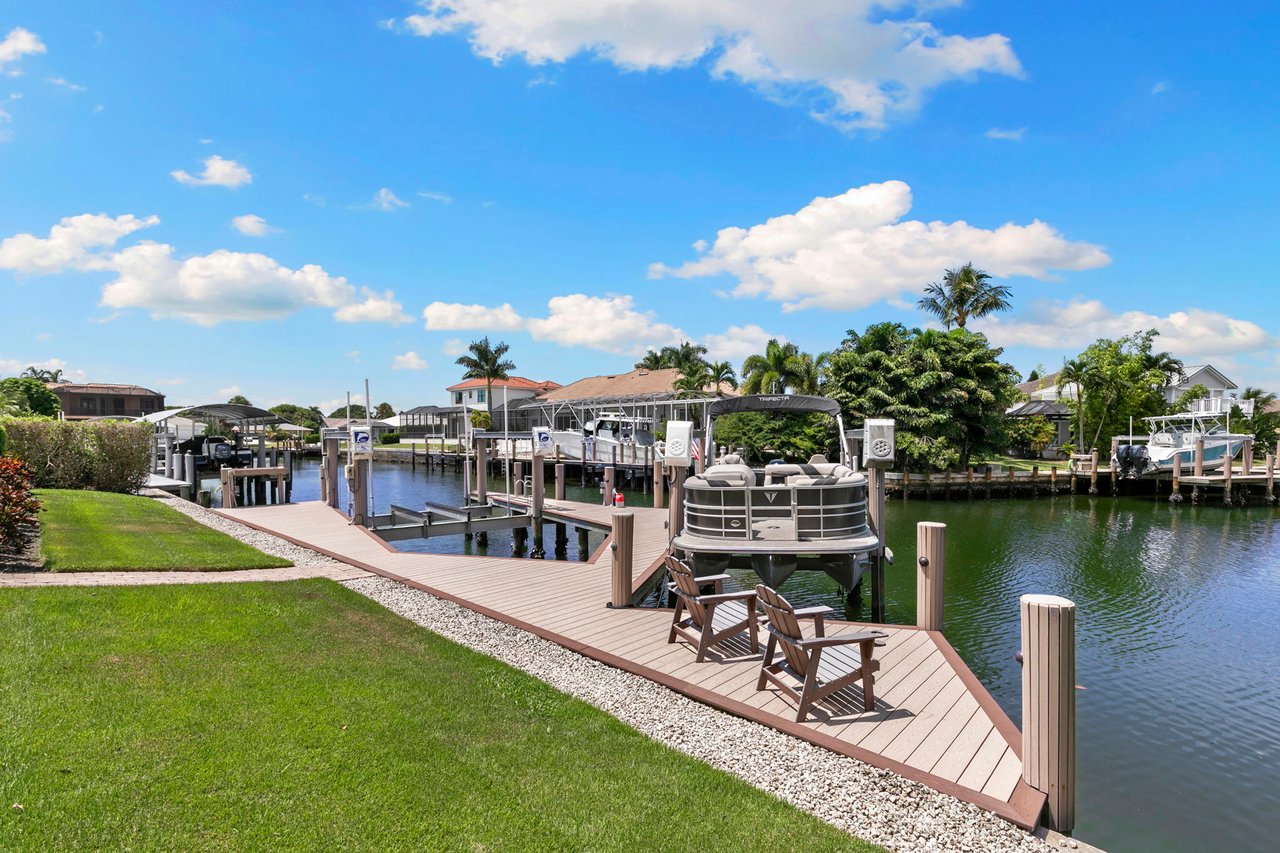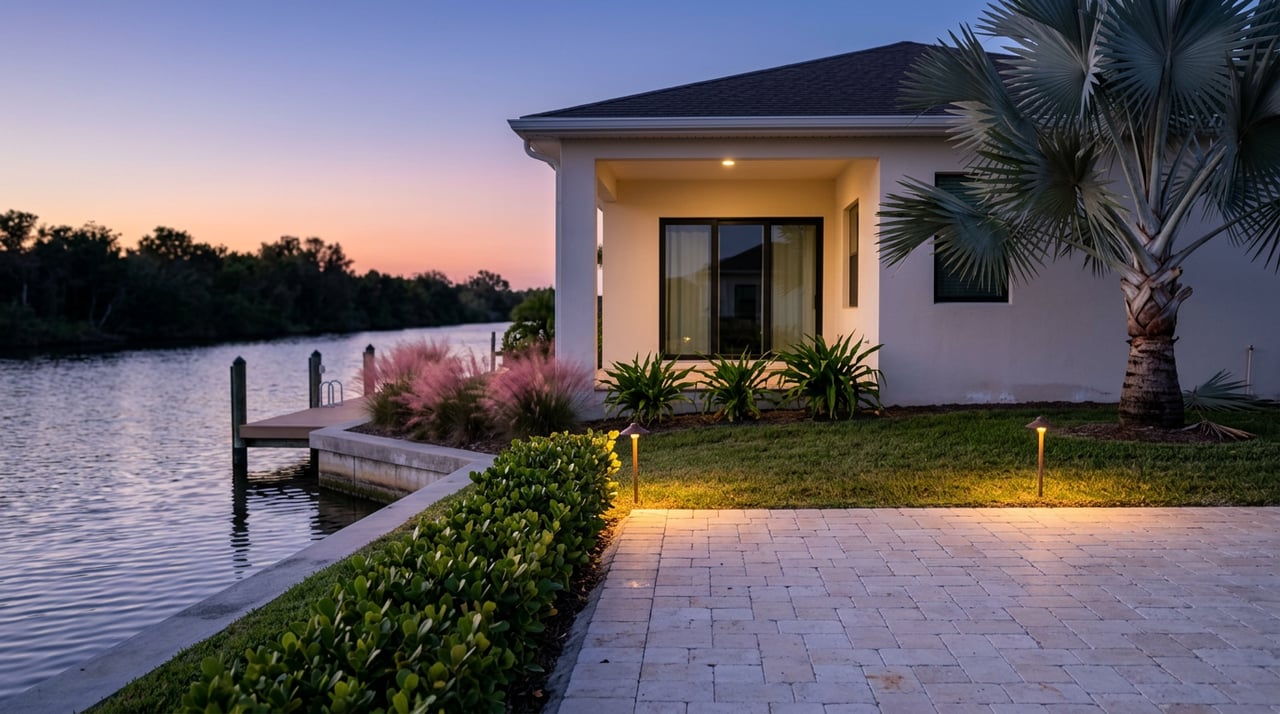
If you followed the shark-fishing fight from a water-direct lot on the South End or a condo balcony near South Beach this spring, you probably assumed it ended the way these things usually end: with a vote. Somebody wins, somebody loses, the council moves on to the next agenda item.
That's not what happened. On May 4, 2026, after months of packed meetings and a first reading that passed 4-2 in April, the ordinance died without anyone calling for a vote at all. The council chair withdrew the motion, nobody moved to bring it back, and the room simply moved on. No roll call, no formal rejection, nothing on the record beyond silence. If you live near the stretch of sand where this all played out, that distinction matters more than it sounds like it should.
The Meeting That Ended Without a Vote
The proposal, introduced by City Councilor Bonita Schwan, would have banned beach fishing from 9 p.m. to 9 a.m. during sea turtle nesting season, which runs May 1 through October 31. Schwan lives in Cape Marco overlooking South Beach, the exact stretch where most of the nighttime shark fishing happens, and she'd already stripped out an earlier provision requiring permits for beach gatherings of ten or more people by the time the second reading rolled around. Even with the narrower scope, no one on the council moved the amended version forward. Council Chair Darrin Palumbo withdrew the motion, and that was it.
Fisherman David Boggs, who owns a shark-fishing rental and lesson business on the island, walked away calling it a win for the constitutional right to fish. Marine biologist Spencer Roberts, who spoke at the meeting, called it the opposite: a case of state authority stepping in to block a local attempt at protecting wildlife. Both were reacting to the same fact. Nothing changed. The beach behavior that triggered the whole debate, whether that's 200 people gathered at midnight or a solo angler casting for blacktips, remains exactly as legal on September 1 as it was in March.
Why Marco Island Can't Write This Rule
The reason isn't political will. It's jurisdiction. Florida Fish and Wildlife Conservation Commission regional director Dr. Thomas Reinert told the council directly that the state has sole authority over fish and wildlife resources, and that a municipal fishing ban would likely be both unenforceable and unconstitutional given a state constitutional amendment, approved by nearly 70 percent of Florida voters, that enshrines the right to hunt and fish.
"We deem it to be unenforceable and likely unconstitutional, so encourage the council to reject it."
That's not a council opinion. That's the state telling the city its hands are tied. Councilor Tamara Goehler put the practical version of the same point on the record when she said the city didn't want to get sued over an ordinance nobody could defend. Vice Chairman Rene Champagne made the related point that Marco Island already has fishing regulations, gear rules, and shark-specific requirements on the books through FWC, and the answer to enforcement gaps isn't a new city law, it's enforcing the one that already exists.
If a future council brings this back, expect the same wall. Unless the state changes its own posture on local fishing restrictions, this isn't a fight Marco Island city government can win on the merits, only one it can keep losing more slowly.
The Numbers That Started the Fight
The urgency behind Schwan's proposal wasn't invented. It came from a real shift in what's happening on the sand, and the shape of that shift is worth looking at directly rather than taking the headline number at face value.
| Year | Marco Island Nests | Marco Island False Crawls | False Crawls per Nest |
|---|---|---|---|
| 2024 | 95 | 230 | 2.4 |
| 2025 | 118 | 309 | 2.6 |
A false crawl is what happens when a female turtle comes ashore, doesn't like what she finds, and returns to the Gulf without laying eggs. Schwan cited an 86 percent rise in false crawls over the three years leading into this season, drawn from the Collier County Sea Turtle Protection Program's monitoring data. The single-year comparison tells a slightly different story than the headline stat. Nests rose about 24 percent from 2024 to 2025. False crawls rose about 34 percent over the same stretch, faster than the nest count itself. That means the ratio of false crawls to successful nests actually got worse, not just the raw totals.
Collier County as a whole saw its own increase over the same period, from 2,130 false crawls in 2024 to 2,527 in 2025, an 18.6 percent jump. Marco Island's single-year rate of increase outpaced the county average by close to double. Some of what's driving turtle activity across Southwest Florida this year is simply more turtles, a pattern showing up on beaches from Sanibel to Flagler County. But Marco's disproportionate jump in the failure rate, more turtles turning back rather than nesting relative to how many are showing up, points to something happening on this specific stretch of sand beyond a regional uptick in nesting.
What Marco Island Can Actually Enforce
Here's the part that gets lost in the fishing debate: the city already has real tools, and none of them require a new ordinance.
- The Nightly Beach Report. During nesting season, Marco Island Police Department generates a nightly report documenting beach activity after 9 p.m. Police Chief Tracy Frazzano increased code enforcement patrols at the council's request, and as of that May meeting, no violations had yet been referred to FWC.
- The object-removal rule. City code already states that man-made moveable objects shall not obstruct sea turtle nesting habitat during nesting season at nighttime, and requires beach furniture, tents, and similar items to be cleared between 9 p.m. and 8 a.m.
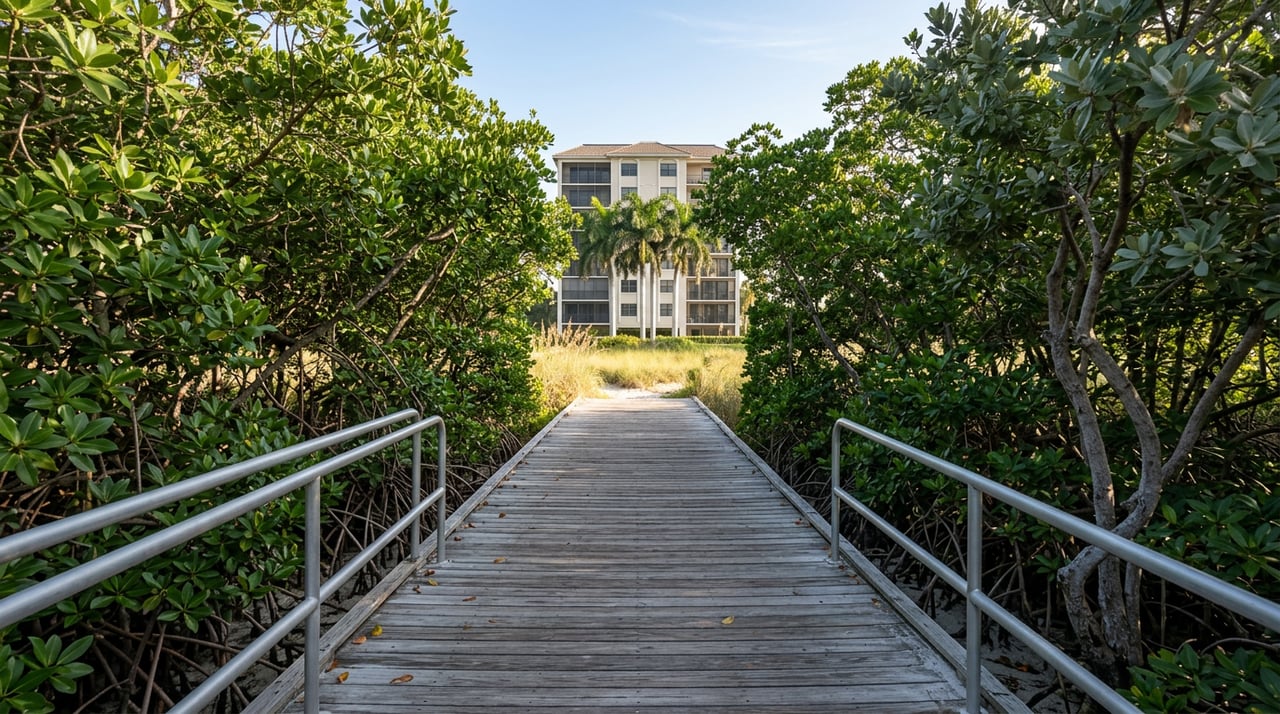
- The sea turtle lighting district. This is the one South End residents should know cold. The district covers every beachfront property from Cape Marco to Hideaway Beach, meaning the entire developed shoreline of the island, including South Beach and the condos and homes around Marco Walk Plaza. Within that district, any light visible from the beach is subject to the ordinance, whether it's a balcony fixture, an uncurtained window, or a lit pool deck.
None of this touches fishing. All of it touches lighting, and lighting is the mechanism sea turtle researchers actually point to when they explain disorientation. Fishermen on the beach at night, for what it's worth, told reporters they already use amber or red lighting specifically to avoid disorienting turtles. That's a voluntary practice among anglers. The lighting district is a mandatory one for property owners, and it's been enforceable the entire time this fishing debate was playing out.
What This Means If You're On or Near the Sand This Season
Nesting and hatching run through October 31, so there's real time left this year for any of this to matter. If you own or rent beachfront property between Cape Marco and Hideaway Beach, your exterior lighting after 9 p.m. is already governed by city code regardless of what happens with fishing regulations. That's worth a walk around your own property line at night, not because a new law is coming, but because the old one already applies and code enforcement patrols are actively watching.
If the crowds and noise near South Beach are what bother you, the honest answer is that this isn't likely to change through city hall, at least not until something shifts at the state level. The lever that would actually move the needle, restricting who can fish and when, sits with FWC, not with your city council. What Marco Island can and does control is what's visible from the sand after dark, and that's the rule with real enforcement behind it right now.
Whether you're watching this debate from a water-direct lot on the South End or a condo balcony a block from Marco Walk Plaza, understanding which parts of this fight are actually settled, and which parts never had a chance to be, is the difference between waiting on a city council that can't deliver and paying attention to the rule that already applies to your own porch light.
If you're weighing a move to this stretch of the island, or you already call it home and want a clearer read on how local rules like this touch a specific property, Devin Sweazy Group knows the South End block by block. Schedule a consultation and get a straight answer, not a guess.