What Condo Buyers Need to Know About SIRS in Florida
If you've been shopping for a condominium in Marco Island or Naples, you've likely heard the term SIRS mentioned more frequently in recent years.
SIRS stands for Structural Integrity Reserve Study, and it has become one of the most important topics affecting condominium ownership throughout Florida.
While many buyers initially focus on location, views, amenities, and monthly fees, understanding a condominium's reserve funding and SIRS requirements has become equally important when evaluating a property.
What Is a SIRS?
A Structural Integrity Reserve Study (SIRS) is a professional evaluation of key building components and the funding necessary to maintain, repair, or replace them over time.
The study helps condominium associations determine:
- The condition of major structural components
- Estimated remaining useful life
- Future replacement costs
- Appropriate reserve funding levels
The goal is to ensure that associations are financially prepared for significant future repairs rather than relying heavily on special assessments when major projects arise.
Why Was SIRS Created?
Following the tragic collapse of the Surfside Condominium Collapse in Florida, state lawmakers enacted significant condominium safety and financial reforms.
These changes were designed to improve:
- Building safety
- Structural inspections
- Financial transparency
- Reserve funding requirements
- Long-term maintenance planning
As a result, condominium associations throughout Florida have been required to take a closer look at both their buildings and their financial reserves.
What Components Are Included in a SIRS?
A Structural Integrity Reserve Study generally evaluates major structural elements such as:
- Roof systems
- Load-bearing walls
- Structural components
- Foundation elements
- Floors
- Fireproofing systems
- Plumbing systems
- Electrical systems
- Waterproofing systems
- Windows and exterior doors
The exact scope can vary depending on the property and applicable regulations.
How Does SIRS Affect Condo Owners?
For many associations, the most noticeable impact has been increased reserve funding.
Historically, some condominium associations chose to keep fees low by underfunding reserves or waiving reserve contributions altogether.
Under current Florida regulations, certain structural reserve items generally must now be properly funded.
As a result, some owners have experienced:
- Increased monthly condominium fees
- New reserve contributions
- Special assessments to address previously deferred maintenance
- More comprehensive long-term budgeting
While these changes can increase ownership costs, they are intended to improve building safety and financial stability.
Why Buyers Should Pay Attention
A low monthly fee is not always a sign of a healthy association.
In some cases, unusually low fees may indicate:
- Deferred maintenance
- Underfunded reserves
- Future assessment risk
- Large upcoming capital projects
Today's buyers should look beyond the monthly fee and examine the overall financial health of the association.
Important questions include:
- Has the SIRS been completed?
- Are reserves adequately funded?
- Are there pending special assessments?
- What major projects are anticipated?
- How old are key building components?
Understanding Reserve Funding
One of the biggest misconceptions among buyers is assuming that a building with higher fees is automatically less desirable.
In reality, a well-managed condominium with properly funded reserves may be in a stronger financial position than a building with lower fees but significant deferred maintenance.
Buyers should evaluate:
- Reserve account balances
- Annual budgets
- Financial statements
- Reserve studies
- Meeting minutes
These documents often provide valuable insight into future ownership costs.
What This Means for Marco Island Condo Buyers
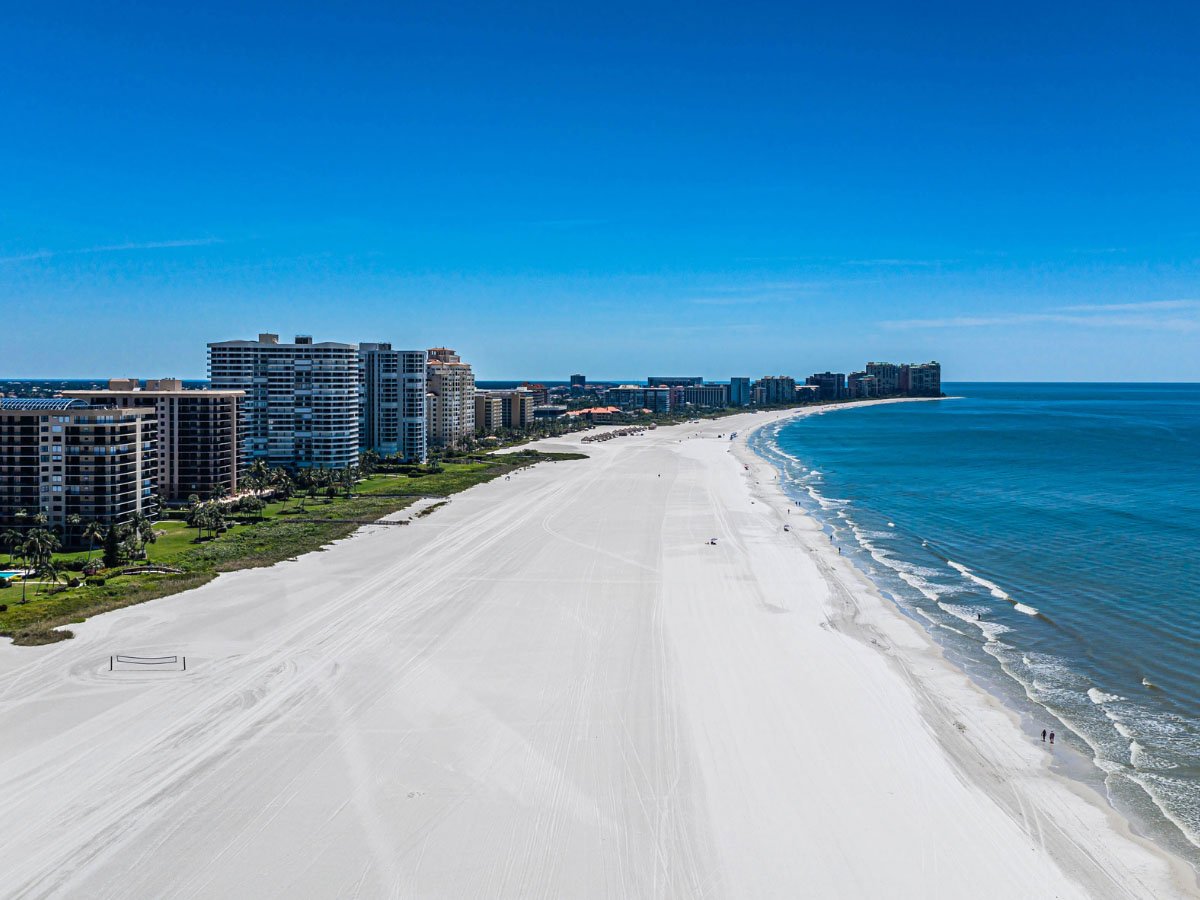
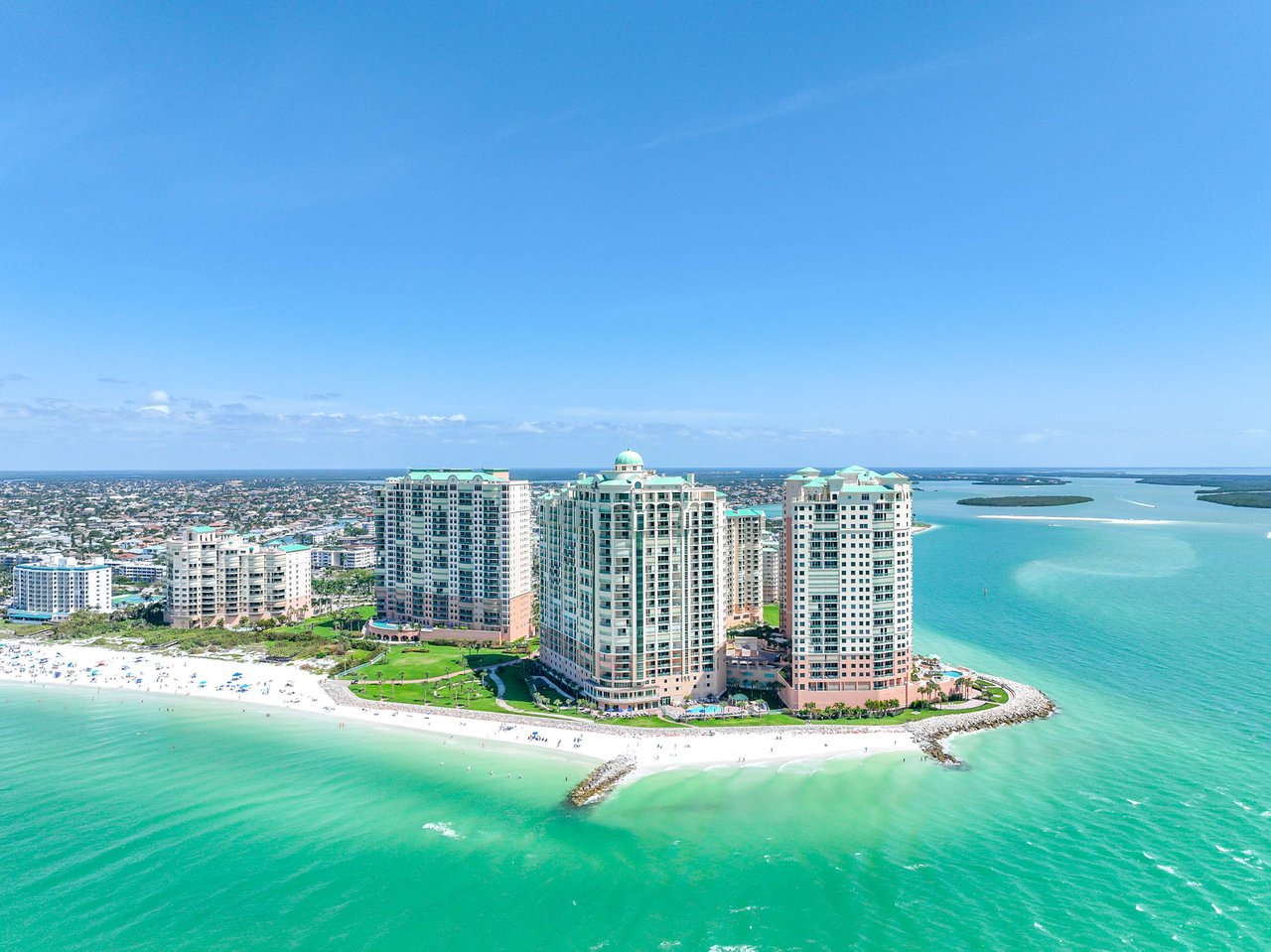
Marco Island's condominium market offers a wide range of opportunities, from beachfront high-rises to inland communities and luxury waterfront residences.
Because many buildings were constructed decades ago, understanding their maintenance history and reserve funding has become increasingly important.
When evaluating a condominium purchase, buyers should consider:
- Building age
- Inspection history
- Reserve funding levels
- Planned capital improvements
- Recent assessments
- Insurance costs
- Overall financial health of the association
A thorough review during the due diligence period can help buyers make informed decisions and avoid unexpected surprises after closing.
The Bottom Line
SIRS has changed the condominium landscape throughout Florida.
While the new requirements may result in higher fees for some communities, they are intended to promote safer buildings, stronger reserve funding, and greater transparency for owners and buyers.
For anyone considering a condominium purchase on Marco Island or in Naples, understanding a building's Structural Integrity Reserve Study and financial condition should be an essential part of the buying process.
A beautiful view and attractive amenities are important, but so is confidence that the building is being properly maintained and financially prepared for the future.
About Devin Sweazy
Devin Sweazy is a Marco Island Realtor with Premier Sotheby's International Realty and has been a resident of Marco Island since 2014. Recognized among the top 1.5% of real estate professionals nationwide by RealTrends, Devin specializes in helping buyers and sellers navigate the unique condominium and waterfront real estate markets of Marco Island and Southeast Naples.
From reviewing association financials and reserve studies to understanding assessments, insurance considerations, and building maintenance, Devin helps clients make informed decisions when purchasing Florida condominiums.
For expert guidance on Marco Island condos and luxury waterfront properties, visit www.devinsweazygroup.com.