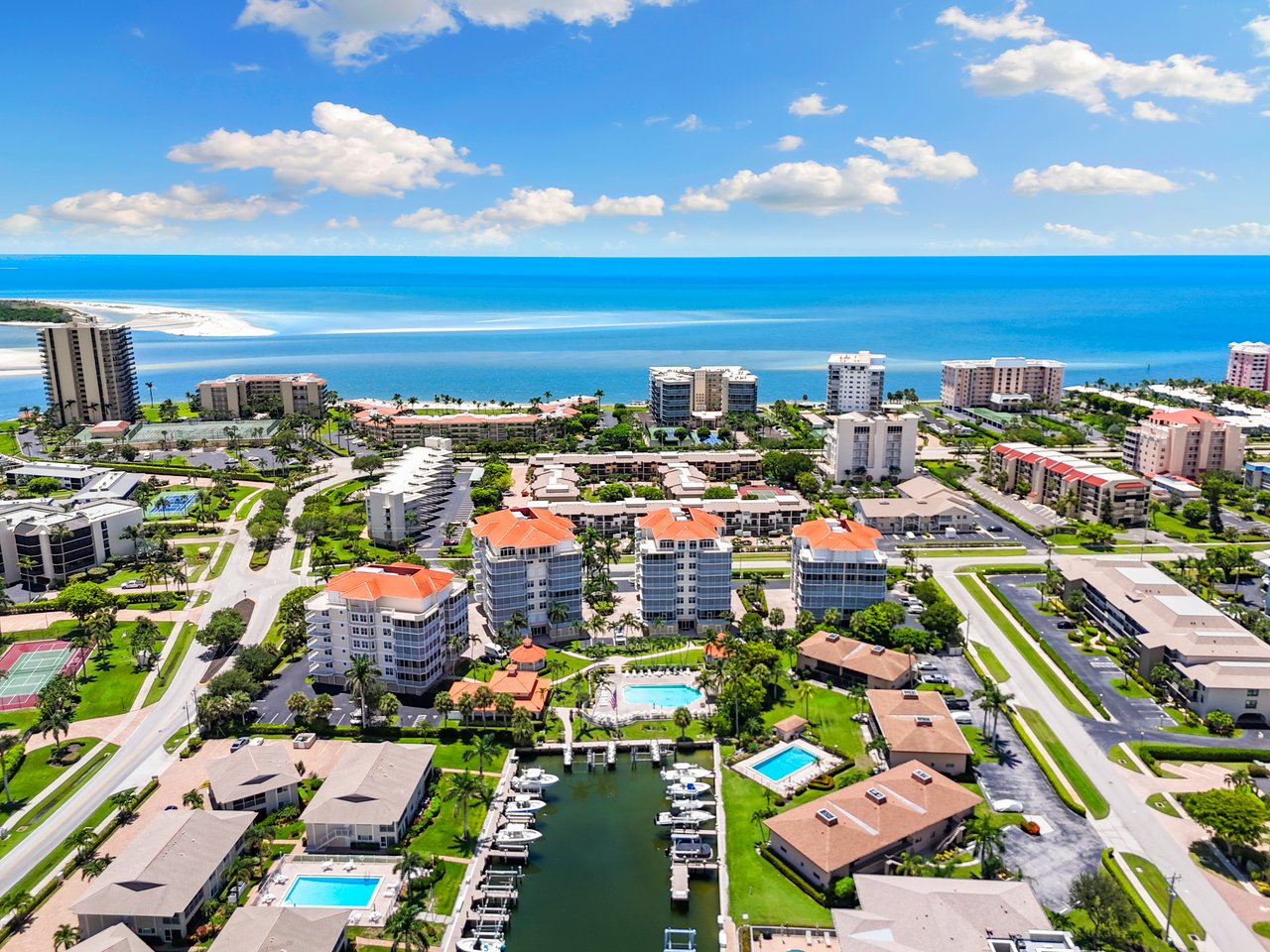
Torn between a lock-and-leave condo with Gulf views and the freedom of a canal-front home with your own dock? You’re not alone. On Marco Island’s South End, both options offer access to sun, sand, and boating, but they come with very different costs, rules, and responsibilities. In this guide, you’ll compare the key differences so you can match the right property type to your budget, lifestyle, and long-term plans. Let’s dive in.
South End lifestyle at a glance
South of Tigertail Boulevard and around Crescent Beach and South Beach, you’ll find a tight mix of beachfront high-rises, low-rise waterfront condos, and single-family homes on canals and the bay. Many buyers come for beach proximity, water views, and boating access. That lifestyle premium can shape pricing, insurance, and resale value.
Seasonal demand is strong here, and well-positioned properties often move quickly during peak months. For up-to-date market context, review the Naples Area Board of REALTORS market reports for the broader area and consult current local MLS data with your agent.
Cost comparison: condo vs. home
Purchase price and liquidity
- Condos typically have a lower entry price than single-family waterfront homes, especially on the beach. That can make them a practical option if you want views or walkability without the higher cost of land and docks.
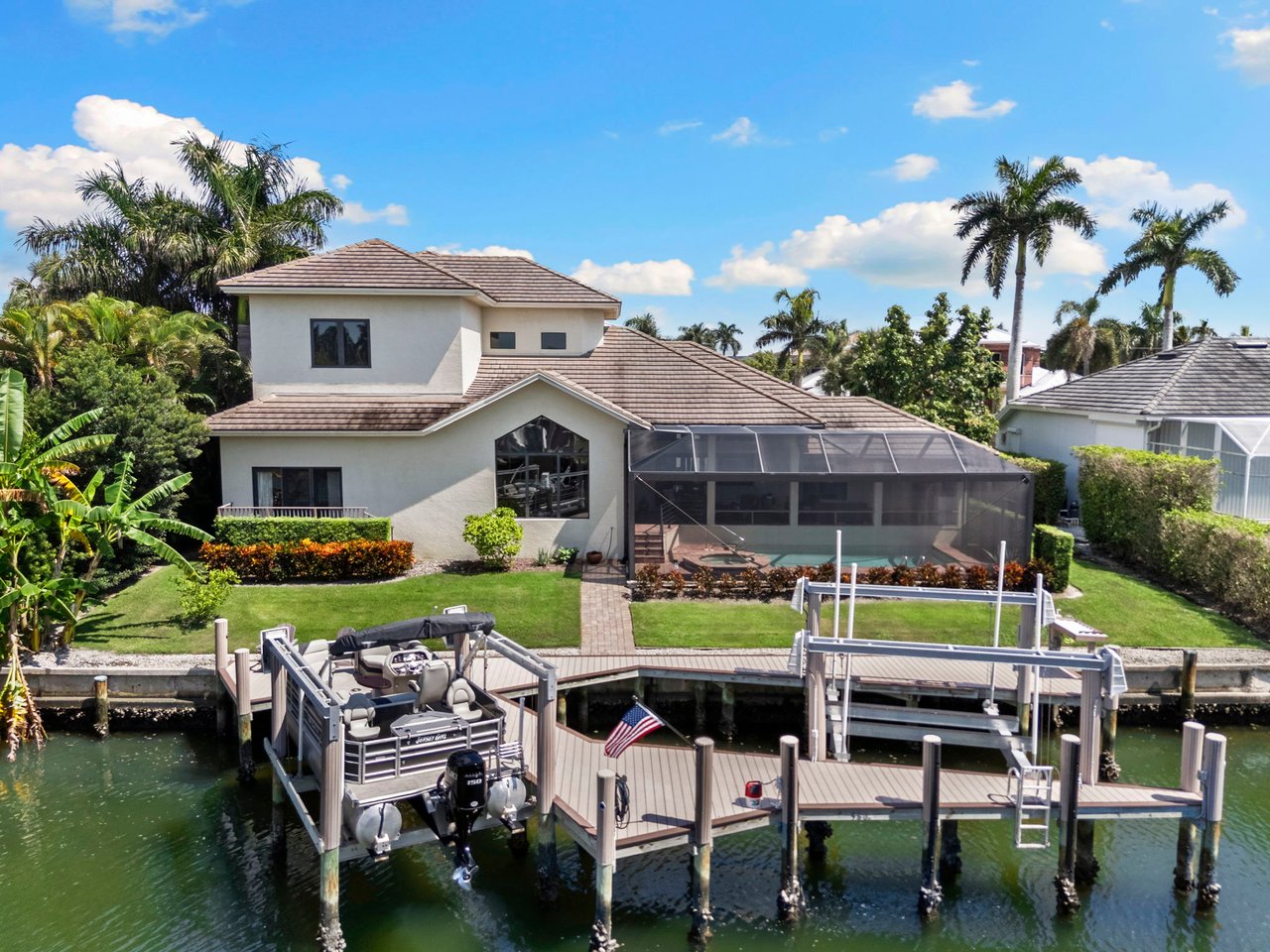
- Single-family homes on canals or bayfront lots command a premium for privacy, lot size, and private docks. Turnkey homes with strong boating access often hold value well.
- Liquidity varies. Condos in well-managed buildings tend to sell faster in season, while older or less-updated units may lag. Single-family homes depend heavily on condition and water access.
Monthly and annual carrying costs
- Condos charge association fees that usually cover building insurance for the structure, exterior maintenance, landscaping, and common areas. Beachfront buildings with amenities like pools, gyms, elevators, and security may have higher monthly fees. Review the budget and reserve study before you buy.
- Single-family homes do not have shared condo fees, but you’ll cover everything yourself. Plan for landscaping, pool care, dock upkeep, exterior maintenance, and repairs to major systems.
- Property taxes are assessed at the county level and depend on location, use, and assessed value. For parcel-specific insight, check the Collier County Property Appraiser.
Insurance and disaster exposure
- Condos: The association’s master policy typically covers the building shell and common areas. You will need an HO-6 policy for interior finishes and personal property. Know if the building uses “wall in” or “wall out” coverage and how hurricane deductibles are handled.
- Single-family homes: You will need full dwelling coverage, which can be higher on a coastal barrier island. Impact glass, shutters, and newer roof systems can influence premiums.
- Flood insurance: Many South End properties are in FEMA flood zones. Both condos and homes may need separate flood policies. Premiums vary by elevation, flood zone, and mitigation features. Compare options through the NFIP and private carriers, and consult the Florida Office of Insurance Regulation for market context. Some buildings and homes may rely on Citizens Property Insurance Corporation depending on availability in the private market.
Financing differences
- Lenders review condo projects closely. Building approvals, owner-occupancy ratios, and any ongoing litigation can affect loan options and down payments.
- FHA and VA financing can be available for both condos and homes, but condo projects must meet program approvals.
- For investment or seasonal use, loan programs may consider occupancy, rental rules, and projected rental income. Work with a local lender who regularly finances South End condos and waterfront homes.
Lifestyle and amenities fit
Condos on the South End
- Many buildings deliver a true lock-and-leave setup, with security, on-site staff, and common-area maintenance. This is ideal if you plan to visit seasonally or prefer minimal upkeep.
- Amenities often include pools, gyms, beach access, and social spaces. Some complexes include certain utilities.
- Dock access is limited in most condo settings. If boating is a priority, verify whether there are deeded slips, waitlists, or nearby marinas.
Single-family homes with docks
- Privacy, space, and customization are the big draws. You can maintain your own outdoor areas, store gear easily, and host family and friends with fewer shared rules.
- Many South End homes sit on canals or bayfront lots, offering direct boating access. Evaluate water depth, bridge clearances, and slip size for your vessel.
- Maintenance is higher, and you control all exterior care, from roof to seawall.
Governance and rules to review
- Condos operate under the Florida Condominium Act. Before you buy, review the budget, reserves, insurance, rental restrictions, pet rules, and special assessment history as outlined in Florida Statutes Chapter 718.
- Some single-family neighborhoods have HOAs. Review their rules, reserves, and architectural guidelines under Florida Statutes Chapter 720.
Risk, resilience, and flood factors
Flood zones and elevation
- Start by verifying a property’s FEMA flood zone. Coastal VE zones indicate wave action risk. Small changes in elevation can have a big impact on insurance premiums and rebuilding requirements.
- Use the FEMA Flood Map Service Center to confirm the designation and consider obtaining an elevation certificate before you commit.
Wind and storm protection
- Look for impact-rated windows, hurricane shutters, updated roof systems, and reinforced garage doors. These upgrades can reduce risk and may lower premiums.
- For homes on the water, inspect seawalls and docks. Repairs or replacements can be significant expenses and may require permits.
Long-term sea-level and shoreline changes
- Marco Island is a barrier island with long-term exposure to coastal erosion and sea-level rise. These factors can shape insurance costs and resale perceptions over time.
- Explore local exposure using NOAA’s Sea Level Rise Viewer and ask about community mitigation efforts such as beach renourishment.
Resale and rental considerations
Resale drivers to watch
- View, proximity to the beach, boating access, and condition are the biggest value levers. Well-maintained properties with strong lifestyle features tend to hold value.
- Older buildings with deferred maintenance or pending assessments may sell at a discount. Healthy reserves and clear capital plans support pricing.
Short-term rental rules and income
- Seasonal demand is strong, but short-term rental rules vary. Confirm building-specific rental terms and local licensing, taxes, and safety requirements on the City of Marco Island official site.
- Condos often have minimum lease terms and caps on rented units. For homes, check city rules and any HOA restrictions. Run realistic projections including cleaning, utilities, management, and wear-and-tear.
A simple decision framework
Use these five questions to narrow your choice:
- Budget: What total monthly number can you comfortably carry, including fees, insurance, taxes, and utilities?
- Intended use: Will this be a primary residence, a seasonal retreat, or an investment you plan to rent?
- Lifestyle: Do you want lock-and-leave convenience, or do you value private outdoor space and a dock more?
- Risk tolerance: How comfortable are you with flood and wind exposure, potential special assessments, and maintenance surprises?
- Financing: Does your lender approve the condo project or property type you prefer, and under what terms?
Buyer checklist for the South End
- Confirm the FEMA flood zone and obtain an elevation certificate if appropriate.
- Review association documents: declaration, bylaws, rules, budget, reserve study, meeting minutes, insurance summary, and litigation disclosures.
- Check reserve funding and any recent or pending special assessments.
- For condos, confirm what the master policy covers and how hurricane deductibles are allocated.
- For homes, inspect the roof, exterior, seawall, and dock. Ask for maintenance records.
- Get quotes for wind and flood insurance on the specific property.
- Verify short-term rental legality and association rules if rental income matters to you.
- Obtain pre-approval and confirm your lender will finance the building or property type.
- Evaluate daily convenience: distance to the beach, boat ramps, groceries, services, and traffic patterns in season.
- Ask about community-level projects, like beach renourishment and infrastructure upgrades.
When a condo makes sense
Choose a South End condo if:
- You want a turnkey, low-maintenance setup with security and amenities.
- You value beach proximity or views at a lower entry price than many waterfront homes.
- You plan to visit seasonally and prefer on-site management or easy rental options where allowed.
When a single-family home makes sense
Choose a South End home if:
- You want privacy, outdoor space, and the ability to customize.
- Boating is central to your lifestyle and you want a private dock.
- You are comfortable managing maintenance or hiring vendors to handle it.
Get local guidance
Every South End micro-location is different. Building reserves, flood zones, dock depths, and rental rules vary block by block. If you want a clear, data-backed path to the right property, connect with Devin Sweazy for local guidance and a straightforward plan.
FAQs
How do condo and home prices compare on Marco Island’s South End?
- Condos generally have a lower entry price than comparable single-family waterfront homes, but pricing varies by building, view, condition, and dock access. Review current local MLS data with your agent.
What do condo fees usually cover on the South End of Marco Island?
- Fees often include building insurance for the structure, exterior maintenance, landscaping, common areas, and sometimes utilities. Always review the association budget, reserves, and meeting minutes.
Do South End condo owners still need flood insurance?
- Yes, most unit owners need an HO-6 policy and may also need separate flood coverage depending on the master policy and flood zone. Confirm details with the association and your insurer.
Can I get a mortgage for a South End condo on Marco Island?
- Often yes, but lenders require condo project approvals and may have stricter terms for coastal buildings. FHA and VA loans depend on project certification.
Are short-term rentals allowed in South End condos or homes?
- It depends on city rules and association documents. Check the City of Marco Island official site and the building or HOA rental policy before assuming STR income.
What risks most affect waterfront values on Marco Island’s South End?
- Storm and flood exposure, insurance costs and availability, long-term sea-level and erosion concerns, and association financial health in condos are key factors. Use FEMA maps and insurance quotes to assess risk.