Marco Island’s Fishing Heritage Runs Deeper Than Recreation
On an island built on fishing traditions dating back to the Calusa Indians, it’s no surprise that a proposed restriction on nighttime beach fishing sparked passionate debate throughout Marco Island.
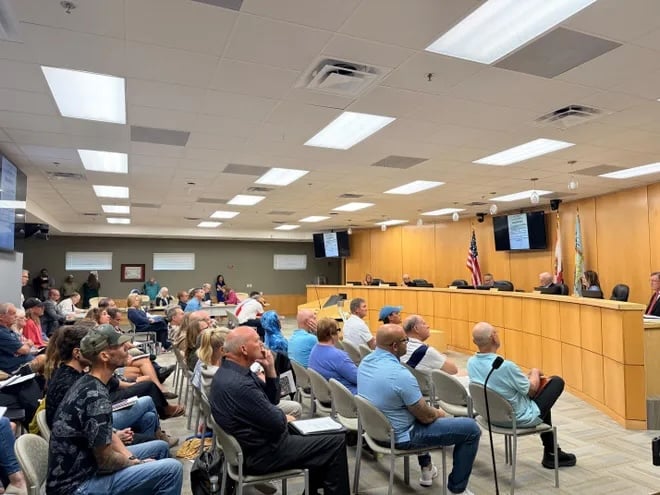
Over the past several months, residents packed City Council meetings, flooded social media discussions, and voiced strong opinions surrounding a proposed ordinance that would have restricted beach fishing during sea turtle nesting season. Ultimately, after extensive public debate and concerns raised by the Florida Fish and Wildlife Conservation Commission (FWC), the proposal was rejected.
The ordinance, introduced by Marco Island City Councilor Bonita Schwan, sought to prohibit fishing on Marco Island beaches from 9 p.m. to 9 a.m. between May 1 and October 31 — the heart of sea turtle nesting season. While initially tied to concerns over shark fishing and larger nighttime beach gatherings, the discussion quickly evolved into something much larger: a conversation about Marco Island’s identity, traditions, environmental stewardship, and personal freedoms.
A Community Deeply Connected to the Water
Fishing is not simply a pastime on Marco Island — it is woven into the island’s history, economy, and lifestyle. Long before luxury condominiums and waterfront estates lined the shoreline, the Calusa Indians thrived here through fishing and navigating Southwest Florida’s waterways.
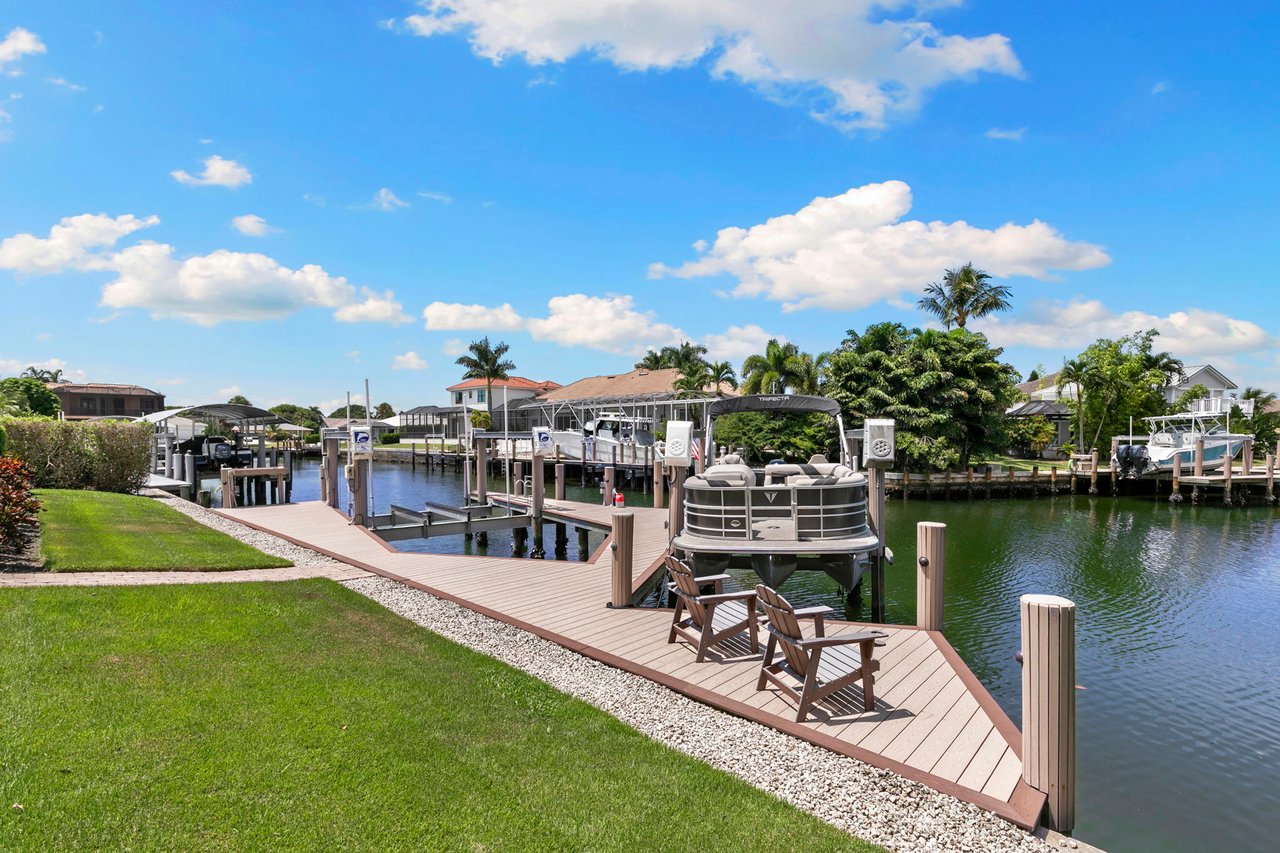
Even today, many Marco Island residents continue to make their living on the water, while countless others embrace fishing as part of everyday island life. From offshore charters and dockside fishing to surf casting at sunrise, the connection between Marco Island and the Gulf runs deep.
For many residents, the proposed ordinance felt less like a regulation and more like a challenge to a long-standing coastal tradition.
Balancing Conservation and Coastal Lifestyle
At the center of the debate was concern for sea turtle protection. Marco Island’s beaches serve as important nesting grounds for protected sea turtle species, and officials cited growing concerns over increased “false crawls,” which occur when female sea turtles return to the water without laying eggs due to disturbances.
According to the Collier County Sea Turtle Protection Program, Marco Island experienced a significant increase in false crawls over recent years. Bright lights, noise, beach activity, and obstacles can all interfere with nesting behavior and hatchlings safely reaching the Gulf.
Many residents agreed that protecting wildlife is essential to preserving the beauty and environmental health of the island. However, opponents of the ordinance argued that responsible fishermen already follow existing regulations designed to protect sea turtles and marine life.
The discussion highlighted the challenge many coastal communities face today: how to preserve environmental protections while also respecting the traditions and freedoms that define local culture.
More Than a Local Ordinance
What made this conversation particularly emotional was that it touched on something much larger than fishing itself. For many Marco Island residents, the issue represented the broader question of how the island evolves while maintaining the character that makes it unique.
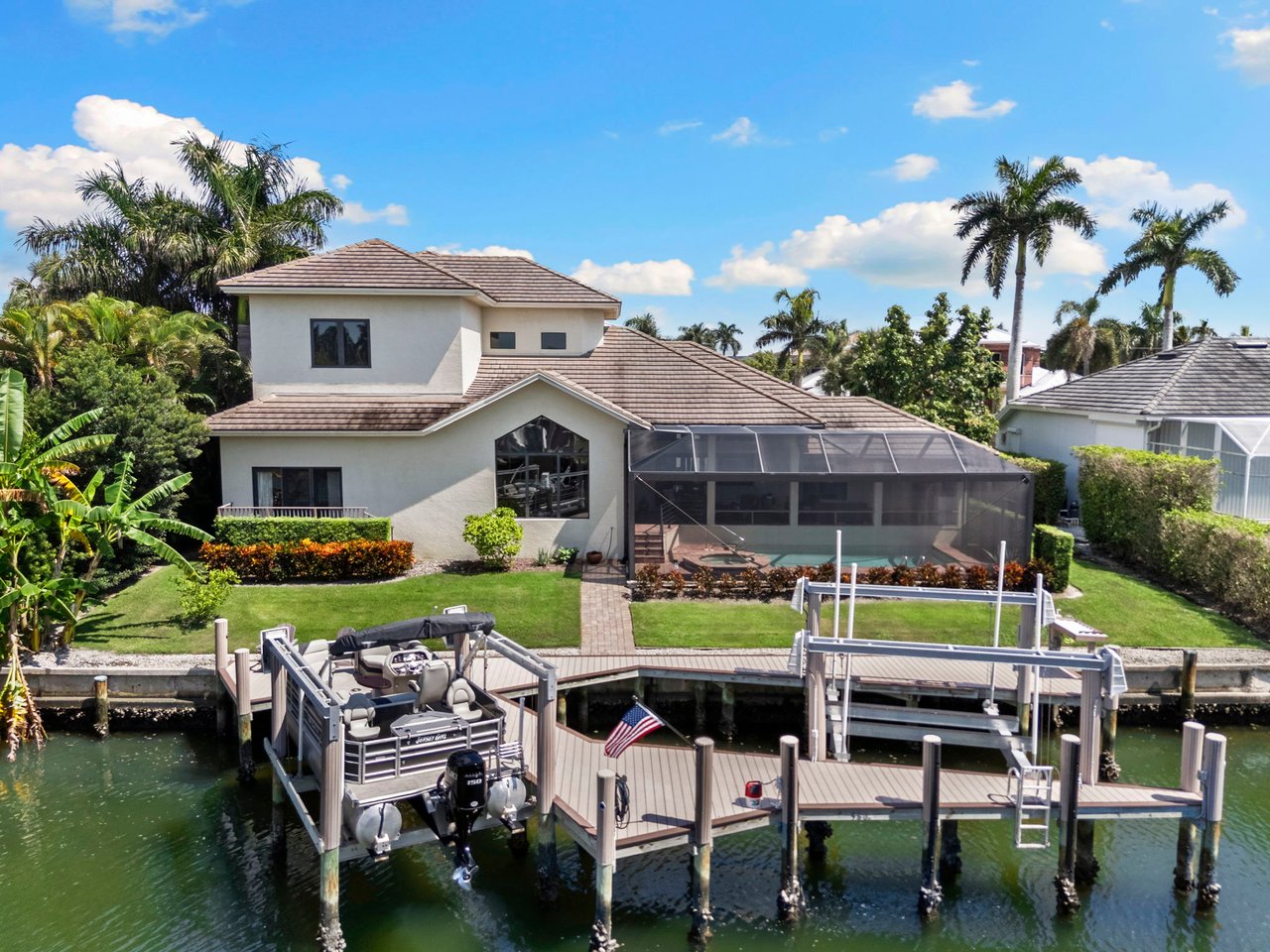
Marco Island has always balanced luxury coastal living with authentic Old Florida roots. It is a place where waterfront estates sit alongside commercial fishing heritage, where sunset dinners and offshore fishing trips coexist as part of daily life.
As Marco Island continues to grow and evolve, conversations like these reflect the passion residents have for protecting both the environment and the island’s identity.
The Importance of Understanding Island Culture
For buyers considering a move to Marco Island, understanding the island’s culture is just as important as understanding the real estate market itself. Marco Island is not simply a destination — it is a lifestyle shaped by boating, fishing, wildlife, sunsets, and a deep appreciation for coastal living.
Whether discussing waterfront regulations, boating access, beach preservation, or fishing traditions, these local conversations reveal the values that matter most to the community.
As Devin Sweazy Group continues helping buyers and sellers navigate the Marco Island lifestyle, staying informed on issues impacting the island remains an important part of serving clients well.
From luxury waterfront estates to beachfront condominiums, Marco Island offers a way of life unlike anywhere else on Florida’s Gulf Coast — one deeply connected to the water, the environment, and the traditions that built this island community.