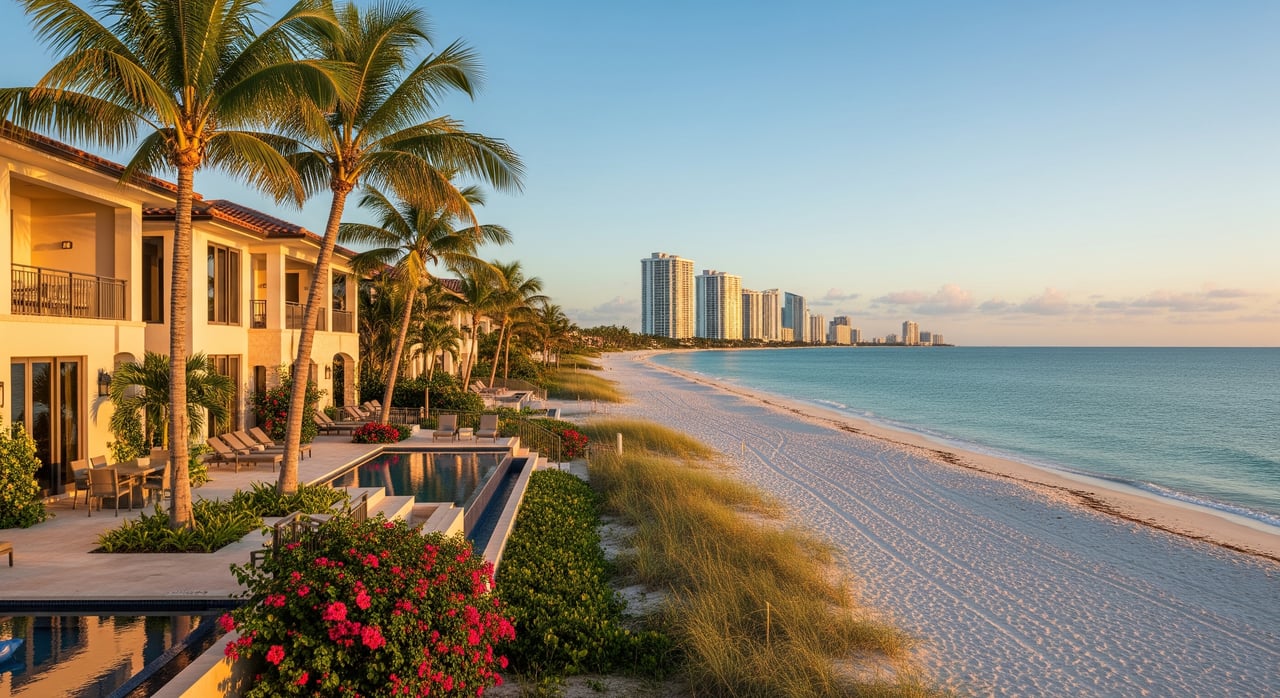
Looking at condos on Marco Island and trying to decide between a high-rise and a low-rise? You are not alone. Each option offers a distinct lifestyle, budget profile, and maintenance reality, especially in a coastal market like Collier County. In this guide, you will learn how these buildings differ in views, amenities, fees, insurance, and storm readiness, plus a simple framework to choose the right fit. Let’s dive in.
What “high-rise” and “low-rise” mean here
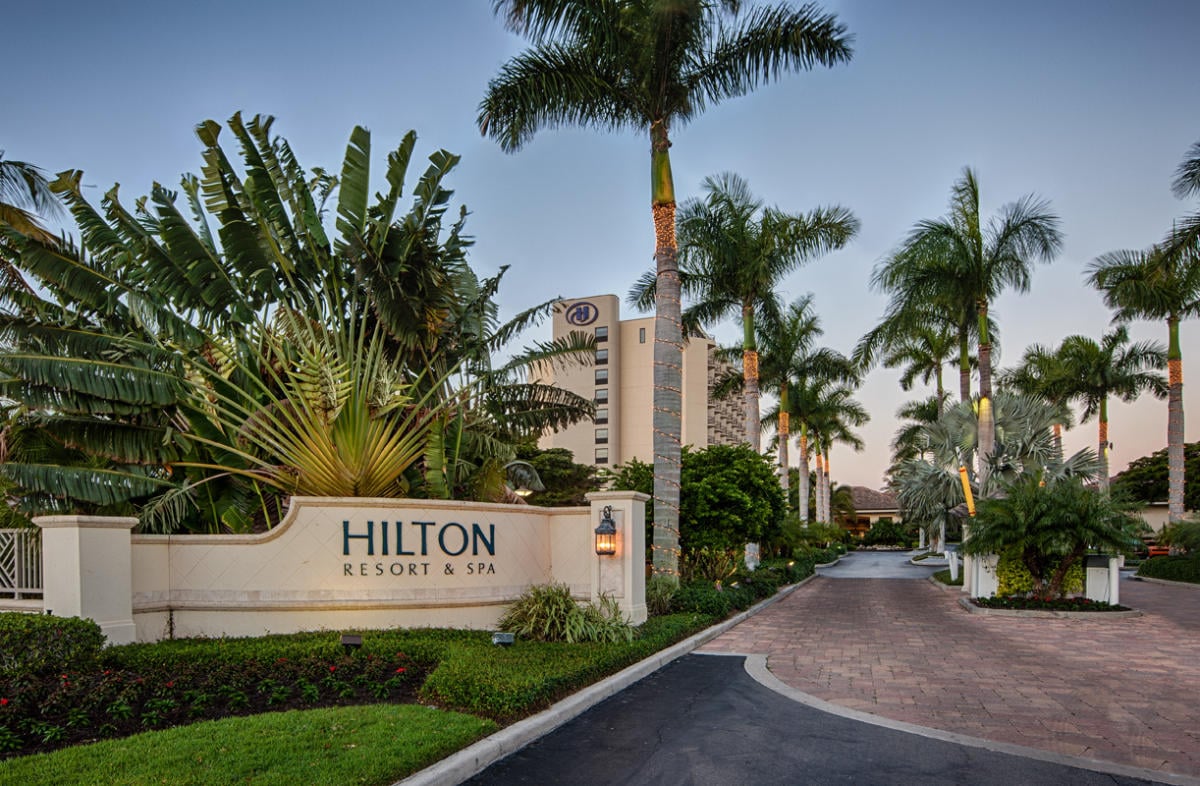
High-rise condos typically span many floors with multiple elevator banks. On Marco Island, units above roughly the 5th to 8th floor can capture sweeping Gulf and estuary views. These homes often sit above street noise and insect lines, though they depend heavily on elevator service.
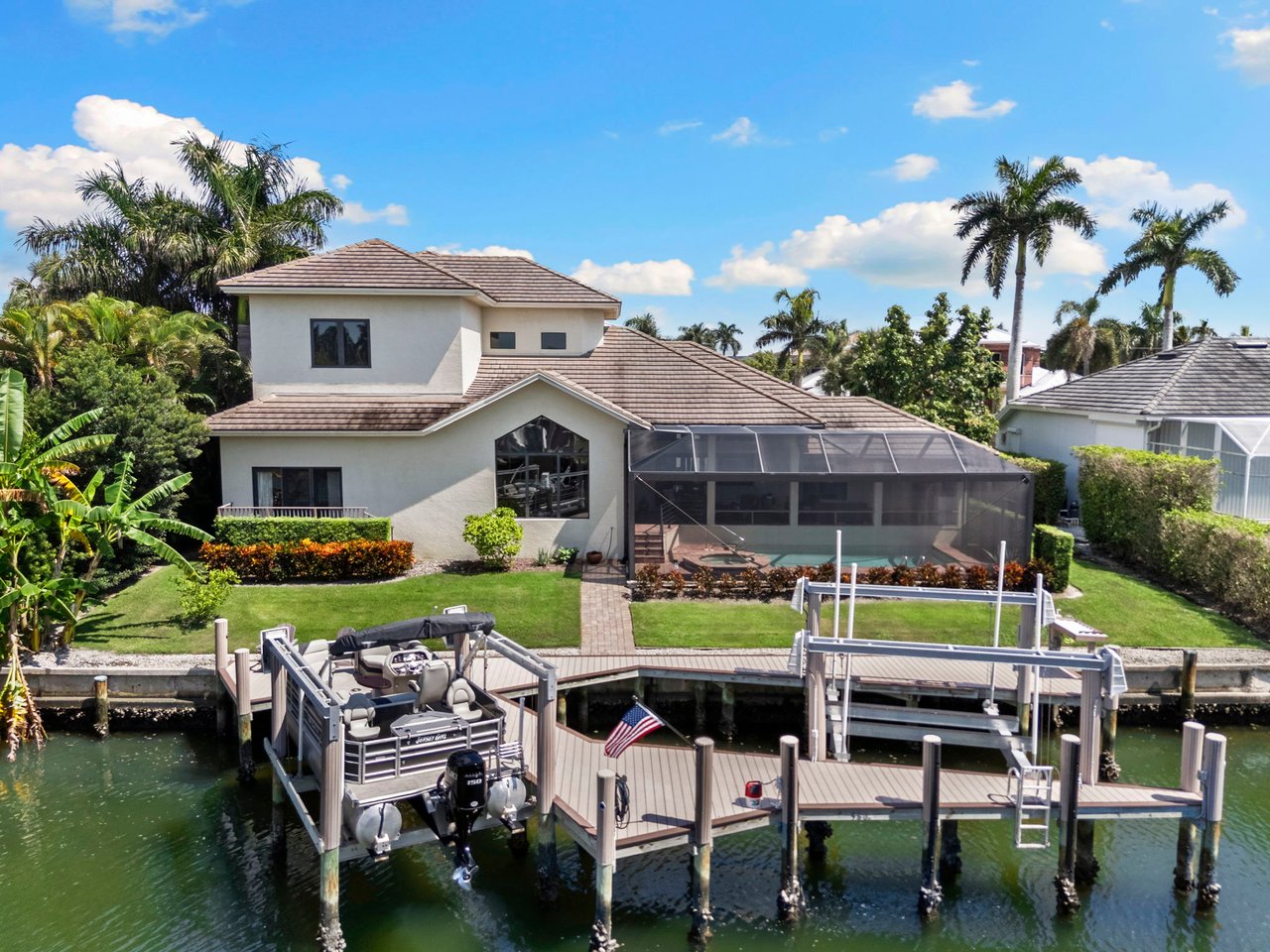
Low- and mid-rise buildings usually range from walk-ups to 3–6 stories. You get easier ground-level access, fewer elevators to rely on, and a closer tie to outdoor space like patios or direct paths to the pool. Views vary by orientation and lot elevation and are less likely to be long-range.
Views, privacy, and day-to-day feel
High-rise living often puts you in position for panoramic water views and more visual privacy. You are also more exposed to wind at height, which matters during storm season. In beach markets like Marco Island, premium views typically translate to premium pricing.
Low-rise living trades long-range vistas for convenience and simplicity. Ground and lower floors can feel more connected to landscaping and amenities. You may sacrifice panorama but gain easy in-and-out access with fewer neighbors per building.
Amenities, access, and logistics
High-rises often come with larger amenity packages. Think fitness centers, on-site staff, covered garages, and heated pools. These features add convenience and social opportunities, but they also increase HOA fee needs and building complexity.
Low-rises typically offer simpler amenities and an easier daily routine. Surface parking and minimal elevator reliance make moving days and deliveries more straightforward. Guest parking can be easier to navigate, and many buyers like the quieter pace of smaller buildings.
Safety, storms, and building systems
Marco Island is a barrier island, so hurricane readiness and building integrity matter. Higher floors can face stronger winds and windborne debris. Many high-rises may include features like whole-building generators and impact glazing. Always verify generator capacity and what it powers, such as elevators, fire systems, or sump pumps.
Smaller buildings may not have generators and can locate mechanical systems closer to ground level, which increases flood exposure. On any property, check for concrete spalling on balconies or parking areas, roof age, waterproofing, seawall condition, and documented window or door upgrades. For broader storm context, you can review forecasts and preparedness guidance from the National Hurricane Center.
Flood zones and elevation: what to check
Flood zones and elevation affect insurance requirements, lender conditions, and your long-term risk profile. Before you fall in love with a building, review the property’s location on the FEMA Flood Map Service Center and request any available elevation certificates. This step helps clarify whether a lender will require flood insurance and how premiums might vary.
HOA fees, reserves, and assessments
Monthly assessments are driven by building complexity, amenity load, reserve funding, and maintenance needs. High-rises often have higher fees because they maintain more elevators, larger roofs and façades, and complex fire and life-safety systems. Low-rises often have simpler systems, which can bring fees down, though some costs may shift to owners through exterior maintenance rules.
Regardless of building type, ask to see the latest reserve study, current budget, and any recent capital project plans or bids. After Surfside, buyers and lenders pay closer attention to reserve adequacy and structural reporting. Well-funded reserves can reduce the risk of special assessments for items like roof replacement, elevator modernization, façade repairs, or seawall work.
Insurance realities in Florida
Florida’s coastal insurance market has been volatile. When you review a building, ask for the master policy summary to confirm what the association insures and what you are responsible for. Policies vary, including “bare walls-in” versus “all-in” coverage. Check deductible levels, wind coverage, and whether the association carries flood insurance when applicable. For state-level context, see the Florida Office of Insurance Regulation and the state-backed insurer Citizens Property Insurance.
You should also verify lender requirements for flood insurance if the property is in a special flood hazard area. Your personal condo insurance should align with the association’s master policy so there are no coverage gaps.
Fire, elevator, and inspection differences
High-rises come with more complex fire and life-safety systems, multiple elevators, and often emergency power setups. Always review recent elevator maintenance logs and life-safety test reports. Low-rises usually have fewer elevators, but still must comply with fire safety rules.
Florida has increased scrutiny of older, multi-story residential buildings. Ask whether the building has complied with current inspection and recertification requirements and whether any engineering or structural reports exist. The Florida Department of Business and Professional Regulation publishes guidance for condominium governance and compliance.
Rental strategy and community rules
If rental income factors into your plans, confirm the HOA’s short-term and seasonal rental policies. Association rules can set minimum rental periods, cap the number of leases per year, and set occupancy limits. Restrictions may be tighter in high-amenity buildings that prefer owner occupancy. Rules also evolve, so request current documents before you make an offer.
How to choose: a simple framework
Use these prompts to match the building type to your goals:
- Prioritize views and amenities. High-rise units often deliver panorama, privacy, and full-service features, which typically come with higher fees and more complex systems.
- Prefer simpler living and easy access. Low-rise communities may offer lower fees, fewer moving parts, and ground-level convenience.
- Plan to age in place or need mobility support. High-rises depend on elevators, so confirm reliability and backup power. Low-rises can reduce elevator dependence.
- Want to minimize special assessment risk. Favor buildings with robust reserves, recent engineering reports, and documented maintenance histories.
- Considering rentals. Verify HOA rules and local requirements before counting on short-term income.
Due diligence checklist for Marco Island buyers
Documents to review before making an offer:
- Current HOA declaration, bylaws, rules, and regulations
- Latest audited or reviewed financials and operating budget
- Most recent reserve study and any capital project bids or contracts
- Master insurance summary, including wind, flood, and deductibles
- Minutes from HOA board and membership meetings for the past 12 to 24 months
- Any pending or recent litigation involving the association
- Recent structural, façade, or engineering reports and elevator certifications
- Rental rules and any documented rental history
Property-specific inspections and verifications:
- Standard home inspection with special attention to balconies, roof, water intrusion, HVAC, plumbing risers, and electrical panels
- For waterfront buildings, seawall or bulkhead condition and dredging history
- Flood risk reviews via the FEMA Flood Map Service Center and any elevation certificate on file
- Deed review plus parking and storage allocations
Smart questions to ask the listing agent or HOA:
- When was the last reserve study completed and by whom?
- Are any special assessments planned or recently completed?
- What exactly does the master policy cover and what are the deductibles?
- How does the building handle hurricane readiness, shutters, generators, and evacuation plans?
- Are short-term rentals permitted and are there occupancy restrictions?
Local records and references:
- Confirm parcel and tax details with the Collier County Property Appraiser
- Search public records through the Collier County Clerk of Courts
- Review condo governance requirements under Florida Statutes, Chapter 718
Budgeting for ownership
Beyond mortgage and taxes, build a line item for HOA dues, personal condo insurance, and potential assessments. If a building has a history of large capital projects, ask how often these recur and whether reserves meet the study’s recommendations. For insurance, align your personal policy with the association’s coverage and confirm any flood requirements upfront.
The bottom line on Marco Island
Both high-rise and low-rise condos can deliver the island lifestyle you want. High-rises tend to win on views, amenities, and convenience. Low-rises offer easier access and simpler systems that may help control fees and disruption. Your best choice will balance lifestyle priorities with risk tolerance, maintenance expectations, and long-term costs.
If you want a clear shortlist based on your travel habits, budget, and desired view, we can help you compare buildings side by side, review HOA packets, and coordinate virtual or in-person tours. Reach out to Devin Sweazy to start a focused, data-backed search that aligns with your goals.
FAQs
What defines a high-rise condo on Marco Island?
- High-rises are multi-story buildings with multiple elevators, often providing panoramic views from higher floors and greater reliance on elevator service.
How do HOA fees typically differ by building type?
- High-rises often have higher fees due to complex systems and amenities, while low-rises usually have simpler operations that can reduce monthly costs.
What insurance should Marco Island condo buyers expect?
- Expect a master HOA policy plus a personal condo policy, and possibly flood coverage if required by the property’s flood zone or your lender.
How do hurricanes factor into the high-rise vs low-rise choice?
- Higher floors face stronger winds, and high-rises may have generators and impact upgrades; always verify storm protections and building readiness.
Which documents should I review before making an offer?
- Request HOA governing documents, financials, reserve study, insurance summary, meeting minutes, engineering reports, and rental rules for a complete picture.