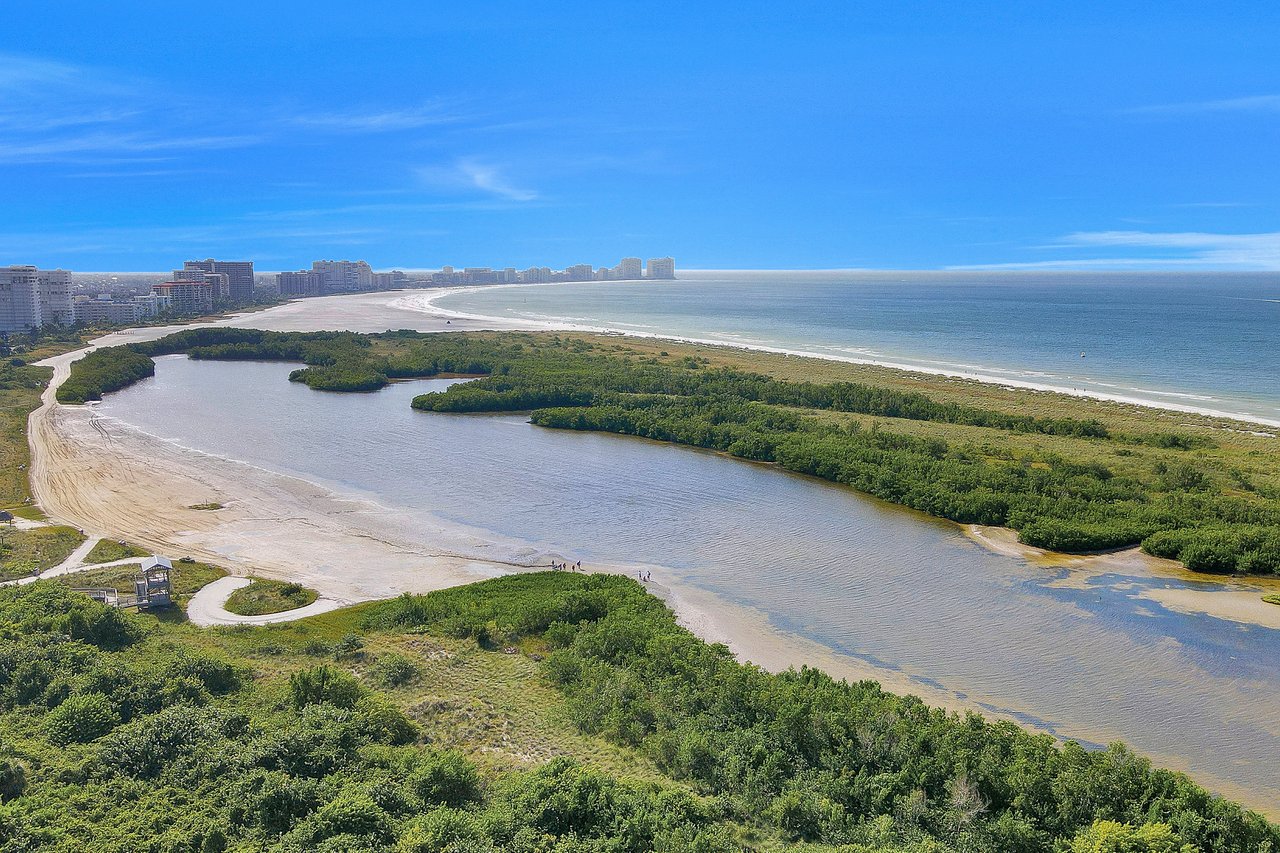
Thinking about renting out a home or condo near Tigertail Beach on Marco Island? You are not alone. The area draws beach lovers, boaters, and winter visitors who want quick access to the lagoon and sandbar, which can make rentals appealing. In this guide, you will learn the rules that matter, what drives demand, how to estimate ROI, and the real costs and risks to plan for. Let’s dive in.
Know the local rental rules
Before you run numbers, confirm what is allowed for your specific property. On Marco Island, city ordinances, property zoning, and your HOA or condominium documents all apply. Many buildings near Tigertail Beach set minimum rental periods, commonly 30 days or longer, and limit how often you can rent each year.
You should also review any required city rental registrations or business tax receipts. At the state and county level, short-term operators typically register to collect Florida sales tax and Collier County tourist development tax. Some jurisdictions require you to display a local registration number on your listings.
Safety and nuisance rules apply to guests. Expect requirements for smoke and carbon monoxide detectors, maximum occupancy, and clear egress. City noise, parking, and nuisance rules can affect how you manage check-in, quiet hours, and guest communication.
Environmental rules matter near the beach. During sea turtle nesting season, local lighting and beach equipment rules can apply along the coast. If your property is close to the shoreline, factor these compliance steps into your operations and guest handbook.
Insurance and lender requirements are different for coastal rentals. Many Tigertail-area parcels fall within FEMA flood zones, which can trigger flood insurance requirements from lenders. Insurers may require hurricane mitigation features and can charge higher premiums for short-term rentals.
Understand demand near Tigertail Beach
Renters come for the island lifestyle. You will see a mix of winter “snowbirds,” family vacationers, weekend beach travelers, and anglers or boaters who want quick lagoon and Gulf access. Proximity to Tigertail Beach is a premium amenity many travelers search for.
Seasonality is pronounced. Late fall through early spring is typically peak season with stronger occupancy and higher nightly rates. Summer is more price sensitive and often features shorter stays.
Stay length depends on both demand and rules. Many guests book weeklong visits in season. That said, HOA rules often set the minimum stay, which can range from 7 to 30 days or more depending on the building.
Build your rental pro forma
Start with clear definitions so your math is consistent:
- Gross Rental Income (annual) = ADR × Occupancy Rate × 365
- Net Operating Income (NOI) = Gross Rental Income − Operating Expenses
- Cap Rate = NOI / Purchase Price
- Cash-on-Cash Return = (NOI − Debt Service) / Cash Invested
- Break-even Occupancy = (Operating Expenses + Debt Service) / (ADR × 365)
ADR means your average daily rate. Occupancy rate is the share of nights you book. You can source ADR and occupancy inputs for the Marco Island and Tigertail area from tools like AirDNA, STR reports, and local property managers.
Step-by-step approach
Pull ADR and occupancy for the last 12 months for the Tigertail area, and note seasonal highs and lows.
Estimate Gross Rental Income using ADR × Occupancy × 365, then check sensitivity using ±10 to 20 percent swings for both variables.
Itemize operating costs for your exact property, including HOA fees, property tax, insurance, utilities, cleaning, supplies, and management.
Calculate NOI, then compute cap rate using your expected purchase price. If financing, subtract annual debt service and compute cash-on-cash return.
Review break-even occupancy so you know the booking level required to cover expenses and debt.
Costs to budget for
Operating costs vary widely by building and property type. Use local quotes and HOA documents for accuracy. Common line items include:
- Management fees: 15 to 30 percent of gross for short-term rentals; lower for long-term.
- Utilities: electric, water, sewer, trash, internet and cable. Short-term rentals typically include these and run higher.
- HOA fees: can be significant; many include amenities and some utilities.
- Property taxes and non-ad valorem assessments.
- Insurance: homeowners, windstorm or hurricane coverage, liability, and flood insurance if required.
- Maintenance and reserves: budget 5 to 10 percent of gross for repairs and replacements.
- Cleaning and turnovers: per-stay fees often range from about $75 to $300 depending on unit size and standards.
- Platform and processing fees: listing platforms and credit card fees.
- Licensing, registration, and compliance: city registration, tax remittance admin, and professional support.
- Marketing and media: photography, copywriting, and periodic refreshes.
- Legal and accounting: entity setup, tax prep, and advisory.
Operational risks to plan for
Insurance and climate are central considerations on a barrier island. Flood risk, wind exposure, and rising insurance costs can all impact NOI. Mitigation features like shutters and impact glass may help lower premiums and reduce downtime after a storm.
Environmental and seasonal rules affect guest experience. Turtle season lighting protocols and beach equipment rules require planning and clear guest instructions. Parking near public beach access can be limited, so set expectations.
HOA rules can change. Minimum rental periods, guest registrations, deposits, and rental caps are common. Special assessments for building work can also impact returns. Read meeting minutes and budget for contingencies.
Regulatory shifts are possible. Municipalities sometimes adjust short-term rental rules in response to community feedback. Stay current with Marco Island city updates.
Property manager or self-manage
Professional managers bring marketing reach, local response, and 24/7 guest support. In a beach market with frequent turnovers and high service expectations, that can protect reviews and occupancy. The trade-off is the management fee, which you should include in your pro forma.
Self-management can reduce fees and keep you close to the guest experience. It also requires your time, reliable local vendors, and clear processes for cleaning, maintenance, and compliance. Consider a hybrid approach if your HOA enforces longer minimum stays with fewer turnovers.
Simple ROI example framework
Use this outline to pressure-test a prospective purchase:
- Baseline case: Use current ADR and occupancy for the past 12 months, current HOA fees, recent property tax data, and real insurance quotes. Compute NOI, cap rate, and cash-on-cash with your lender’s terms.
- High season case: Apply in-season ADR and occupancy to estimate peak performance, but keep expenses realistic.
- Conservative case: Reduce ADR and occupancy by 10 to 20 percent to test resilience. Recalculate break-even occupancy.
This three-scenario approach helps you compare properties and amenities, and it highlights the impact of HOA rules and location within walking distance of Tigertail Beach.
Quick compliance checklist
- Confirm the property is within Marco Island city limits and review the municipal code for rental rules.
- Obtain and read the HOA or condo rental policy and recent meeting minutes referencing rentals.
- Verify city rental registration or business tax receipt requirements.
- Register to collect and remit state sales tax and county tourist development tax; confirm current rates and procedures.
- Pull ADR and occupancy data for the last 12 months and for high and low seasons.
- Request flood and wind insurance quotes for the specific address; note any mitigation credits.
- Model ROI with baseline, high season, and conservative scenarios.
- Review environmental rules for turtle season and beach management; update your guest handbook.
Your next step on Marco Island
If you want a clear view of rentability, costs, and ROI near Tigertail Beach, partner with a local advisor who blends neighborhood insight with data and process. We help you confirm rules, pressure-test numbers, and weigh trade-offs across specific buildings and streets. Ready to explore opportunities or fine-tune your pro forma? Talk with Devin Sweazy to get started.
FAQs
Are short-term rentals allowed near Tigertail Beach on Marco Island?
- It depends on the property’s zoning, city rules, and your HOA or condo documents; many buildings set minimum stays, commonly 30 days or more.
What taxes apply to Tigertail Beach vacation rentals?
- Short-term rentals typically collect Florida sales tax and Collier County tourist development tax, plus any required city business tax registrations; verify current rates and steps before listing.
How do I estimate income for a Tigertail Beach rental?
- Use ADR × Occupancy × 365 for annual gross income, with ADR and occupancy sourced from market tools and local managers; then subtract operating costs to find NOI.
What are typical management fees for short-term rentals on Marco Island?
- Professional management often ranges from 15 to 30 percent of gross revenue for short-term rentals, depending on services and property type.
What insurance should I expect for a Tigertail Beach property?
- Expect homeowners, windstorm or hurricane coverage, liability for rentals, and flood insurance if in a FEMA flood zone or required by your lender.
How does seasonality affect returns near Tigertail Beach?
- High season from late fall through early spring usually brings higher occupancy and ADRs, while summer tends to be slower and more price sensitive.
Can my HOA restrict rentals even if the city allows them?
- Yes, HOA and condo associations can set minimum stays, caps on rental frequency, guest registration rules, and deposits that may be stricter than city rules.
Should I hire a property manager for a Marco Island rental?
- Managers provide marketing, turnovers, and 24/7 support but charge a fee; self-managing can save money if you have reliable local vendors and well-defined processes.