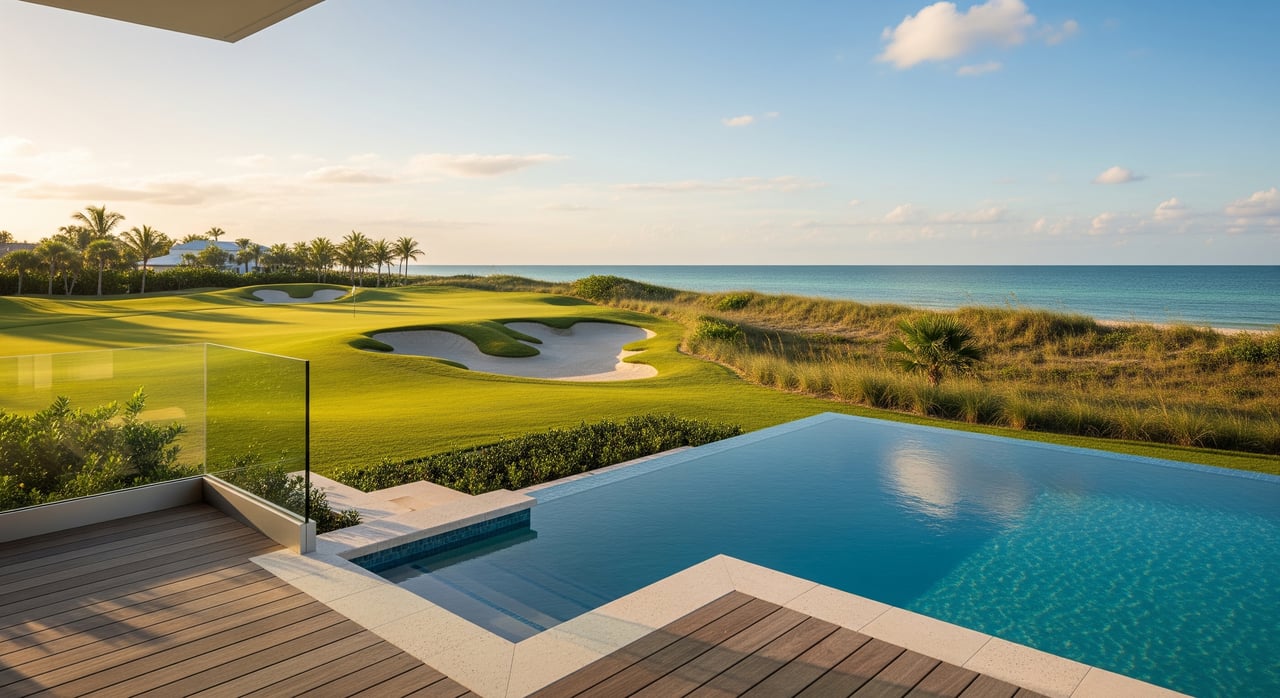
Do you picture morning walks on sugar-white sand or early tee times with friends and coffee at the clubhouse? If you are weighing beachfront living against a golf-course address in the Hideaway Beach area of Marco Island, you are not alone. Each lifestyle offers distinct benefits, costs, and long-term considerations. In this guide, you will learn how the two options compare on daily life, ownership costs, risk, and resale so you can decide with confidence. Let’s dive in.
What this comparison covers
Hideaway Beach sits within Collier County on Marco Island, with nearby golf-course communities throughout the island and greater Collier. For clarity, this guide compares two broad choices many buyers consider here:
- Beachfront or beach-access properties around Hideaway Beach.
- Golf-course homes in and near Collier County communities.
The goal is to help you match your lifestyle and risk tolerance to the right property type, then map your next steps to validate details for a specific home or neighborhood.
Lifestyle comparison
Beachfront daily life
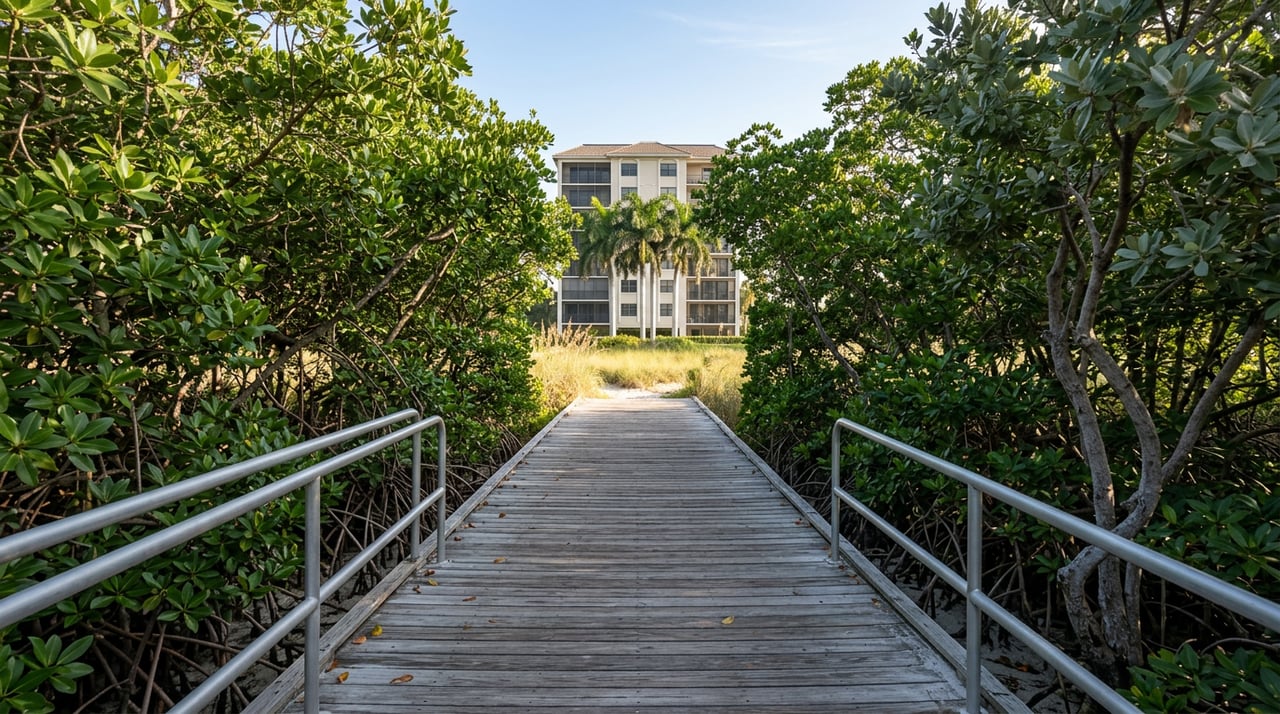
Living near the Gulf offers immediate access to sand, sunsets, and water. You can step out for shelling, paddle at sunrise, or simply enjoy panoramic views. Many buyers value the sensory calm of waves and the convenience of beach walks without getting in the car. If you prioritize coastal recreation and vistas, beachfront often delivers the strongest lifestyle fit.
Golf-course daily life
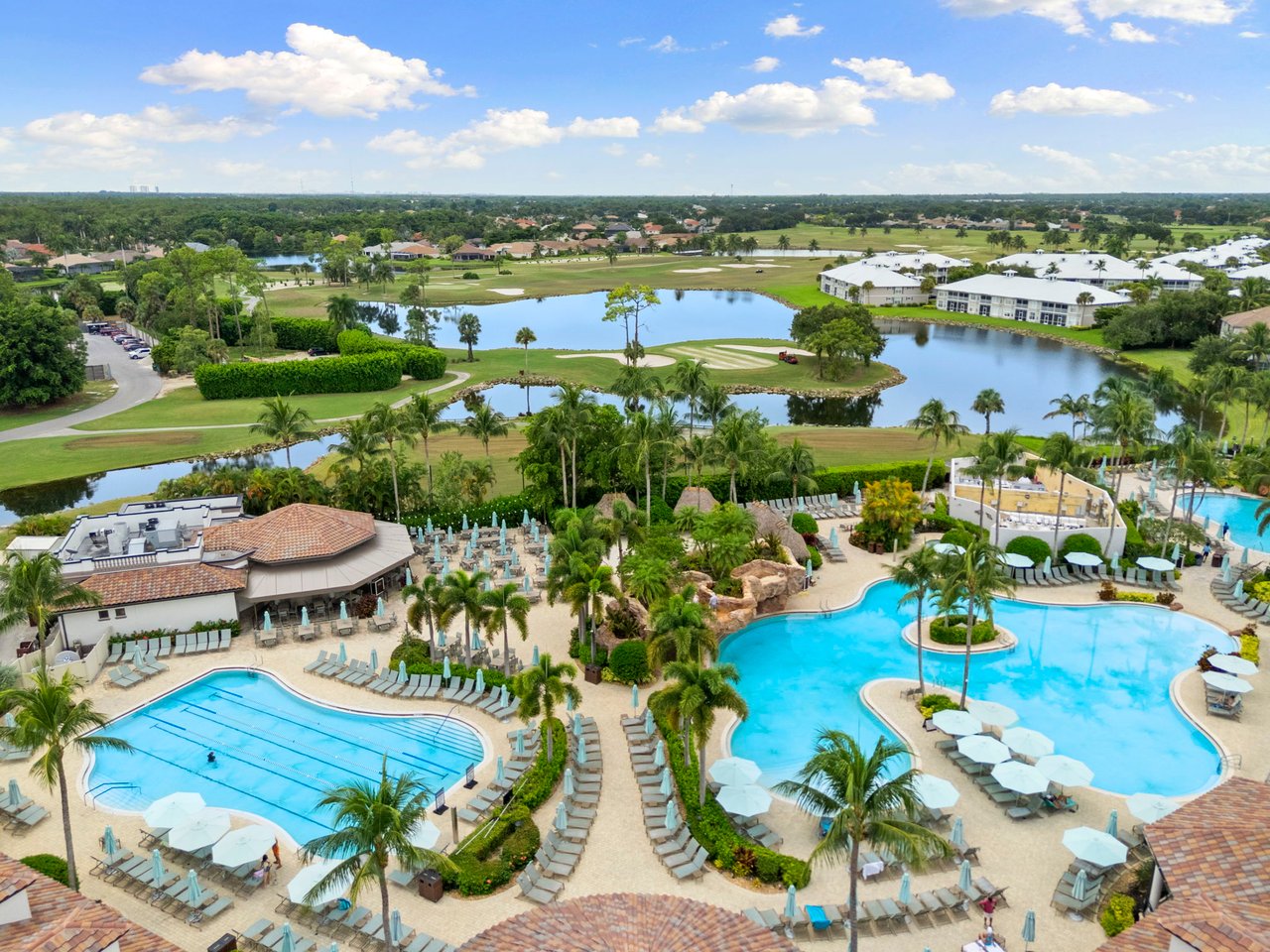
A golf-course home centers your day around play, instruction, and a social club scene. You can practice more often, join events, and enjoy manicured open space outside your lanai. Many communities offer additional amenities like pools, fitness rooms, and dining. If an active, organized community rhythm appeals to you, golf living can be a great match.
Privacy, noise, and traffic
- Beachfront areas can experience seasonal activity near public access points and busier parking zones during peak tourism months. The sound of surf can be soothing, while recreational use may add daytime energy.
- Golf neighborhoods tend to have controlled vehicle traffic but include golf carts, maintenance equipment at early hours, and periodic event activity at the clubhouse.
Walk the area at different times of day and week to confirm the privacy and sound profile you prefer.
Everyday convenience
Proximity to groceries, dining, healthcare, and airports matters. In Collier County, micro-locations can save meaningful time. Test-drive your most common routes during peak season and off season before you commit. Convenience is part of value, especially if you plan to live here full-time.
Financial picture
Purchase price and resale dynamics
In coastal markets, beachfront properties typically command a premium for direct water access and views. Demand can be seasonal and more sensitive to storm events. Golf-course homes often draw steady interest from lifestyle buyers who value amenities and community programming. Resale on the golf side can be influenced by course condition, management, and membership structure. Your best guide will be recent local comps, days on market, and price per square foot for the specific micro-area you are considering.
Insurance basics in Collier County
Expect three core coverages to shape your annual costs: homeowners, wind or hurricane coverage, and flood insurance. Beachfront and low-lying properties are more likely to sit in higher-risk flood zones, which can increase premiums and deductibles. Golf-course homes usually have lower flood exposure, though site elevation and drainage still matter. Lenders, the Florida Office of Insurance Regulation, and carriers like Citizens Property Insurance set guidelines that affect availability and pricing. Always obtain property-specific quotes early in your due diligence.
HOA dues, club fees, and special assessments
- Beachfront and beach-club communities often include HOA dues for common areas, private access points, security, and amenities.
- Golf communities vary widely. Some require full golf membership, others offer optional social or sports tiers. Ask about initiation fees, annual dues, food minimums, and whether the HOA subsidizes course operations.
- For both, review the last two years of board minutes, reserve studies, and any notices of special assessments.
Clarity here helps you compare total cost of ownership across options.
Maintenance and replacement costs
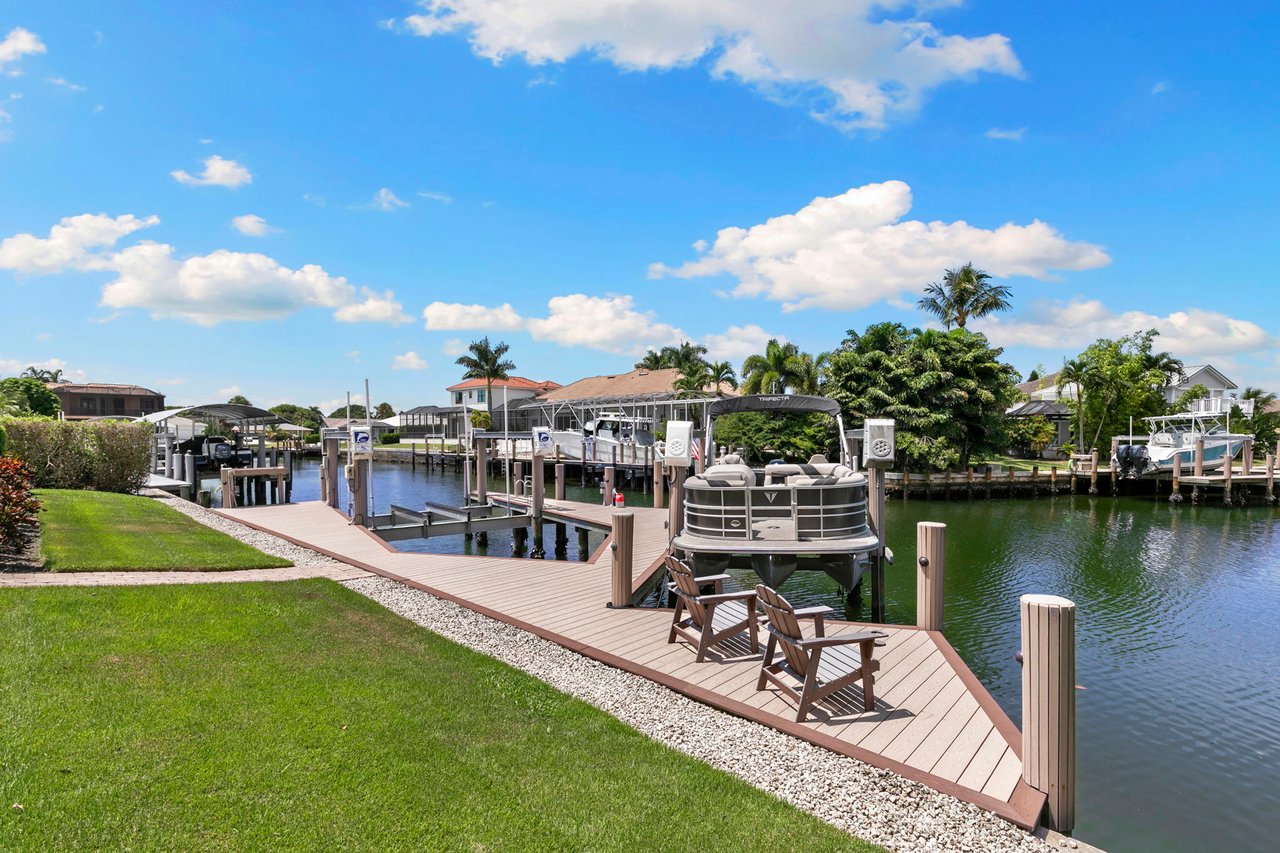
- Beachfront properties experience accelerated wear from salt, humidity, and wind. Roofs, exterior paint, window and door hardware, and HVAC systems may require more frequent maintenance. If a seawall or dune system is present, factor inspections and future repair budgets.
- Golf-course homes often carry landscape and irrigation upkeep. Communities may assess for course renovations, irrigation systems, or clubhouse improvements over time.
Get contractor estimates for big-ticket items during inspections so you can budget accurately.
Environmental and regulatory factors
Flood and storm surge exposure
FEMA Flood Insurance Rate Maps define flood zones that affect lending and insurance. Coastal storm surge modeling and sea-level planning resources can add helpful context. Ask for an elevation certificate and discuss mitigation options like rated openings and utility elevation with your inspector. Understanding your site’s flood profile is critical for long-term planning.
Shoreline protection, lighting, and permitting
Coastal properties may be subject to state and county rules for seawalls, dune protection, and construction near the shore. Seasonal sea turtle nesting protections can affect exterior lighting and certain beachside activities. Before renovating or replacing exterior features, consult the Florida Department of Environmental Protection and Collier County permitting teams to confirm what is allowed and how long approvals take.
Golf-course environmental considerations
Courses use irrigation and turf care programs that follow local best-management practices. If you are sensitive to fertilizers or equipment schedules, ask the community about communication protocols and buffer zones. Confirm how ponds and water features are managed, especially if your home backs to water within the course.
Rental and investment potential
Short-term rental rules
Collier County maintains registration and safety standards for short-term rentals, and many HOAs set their own minimum stay requirements or occupancy caps. Some communities restrict short stays, while others permit seasonal rentals with specific guidelines. Always review HOA covenants and county rules before relying on projected rental income.
Seasonality and demand patterns
Beachfront homes often attract strong vacation interest during high season, with views and beach access driving rates. Golf-course homes can perform well with a different audience, including longer-term seasonal guests who value club access. Plan for seasonality and verify that potential revenue aligns with HOA and local rules, operating costs, and insurance requirements.
Decision checklist
Use this quick checklist to organize your decision and due diligence:
- Define lifestyle must-haves: beach access, golf, dining, fitness, or quiet.
- Confirm HOA fees and exactly what they cover for both options.
- Ask if golf membership is mandatory, optional, or waitlisted.
- Request recent HOA board minutes and reserve studies for signs of upcoming assessments.
- Obtain insurance quotes for homeowners, wind, and flood specific to each property.
- Verify FEMA flood zone and request an elevation certificate.
- Inspect roof, windows, doors, and mechanicals for wind rating and coastal wear.
- If coastal, evaluate seawall or dune conditions and any prior beach work.
- If golf, ask about planned course renovations or capital projects.
- Clarify rental rules, minimum stays, and registration requirements.
- Test-drive routes to groceries, healthcare, and daily conveniences.
- Compare recent comps, days on market, and price per square foot to gauge resale.
Recommended team for buyers and sellers
A strong team helps you move from “maybe” to “move-in” with fewer surprises:
- Experienced local real estate advisor for pricing and offer strategy.
- Insurance broker with coastal experience to bind realistic coverage.
- Home inspector and, for coastal sites, a marine or structural specialist.
- HOA manager contact for rules, budgets, and special assessment history.
- Golf-course or club representative to explain membership tiers and access.
- Contractor or engineer to price repairs and upgrades before you close.
How we help you choose with confidence
Selecting between beachfront and golf-course living is not just about price. It is about the way you want to spend your days and the risks and responsibilities you are comfortable carrying. You deserve clear data, property-specific due diligence, and a calm, step-by-step process.
If you are ready to compare actual homes side by side and see the numbers for your situation, schedule a conversation with Devin Sweazy. You will get neighborhood-level guidance, on-the-ground showings or virtual tours, and a clear plan from first look to closing.
FAQs
What is the main lifestyle tradeoff between beachfront and golf homes near Hideaway Beach?
- Beachfront emphasizes direct access to sand, water, and views, while golf-course living centers daily life around play, club events, and manicured open space.
How do insurance costs typically differ in Collier County for these properties?
- Beachfront and low-lying homes often face higher flood and wind premiums, while many golf-course homes carry lower flood exposure, though site elevation still matters.
Are golf memberships always required in Collier County golf communities?
- No, membership structures vary. Some communities require full golf membership while others offer optional or social tiers. Confirm details before you buy.
Can I rent out a beachfront or golf-course home near Hideaway Beach seasonally?
- Often yes, but rules vary by HOA and county. Verify minimum stays, registration, and safety standards before relying on rental income.
What inspections should I prioritize for coastal properties?
- In addition to a general home inspection, consider wind-mitigation reviews, roof and window ratings, HVAC condition, and for shoreline sites, a marine or structural assessment of seawalls or dune systems.