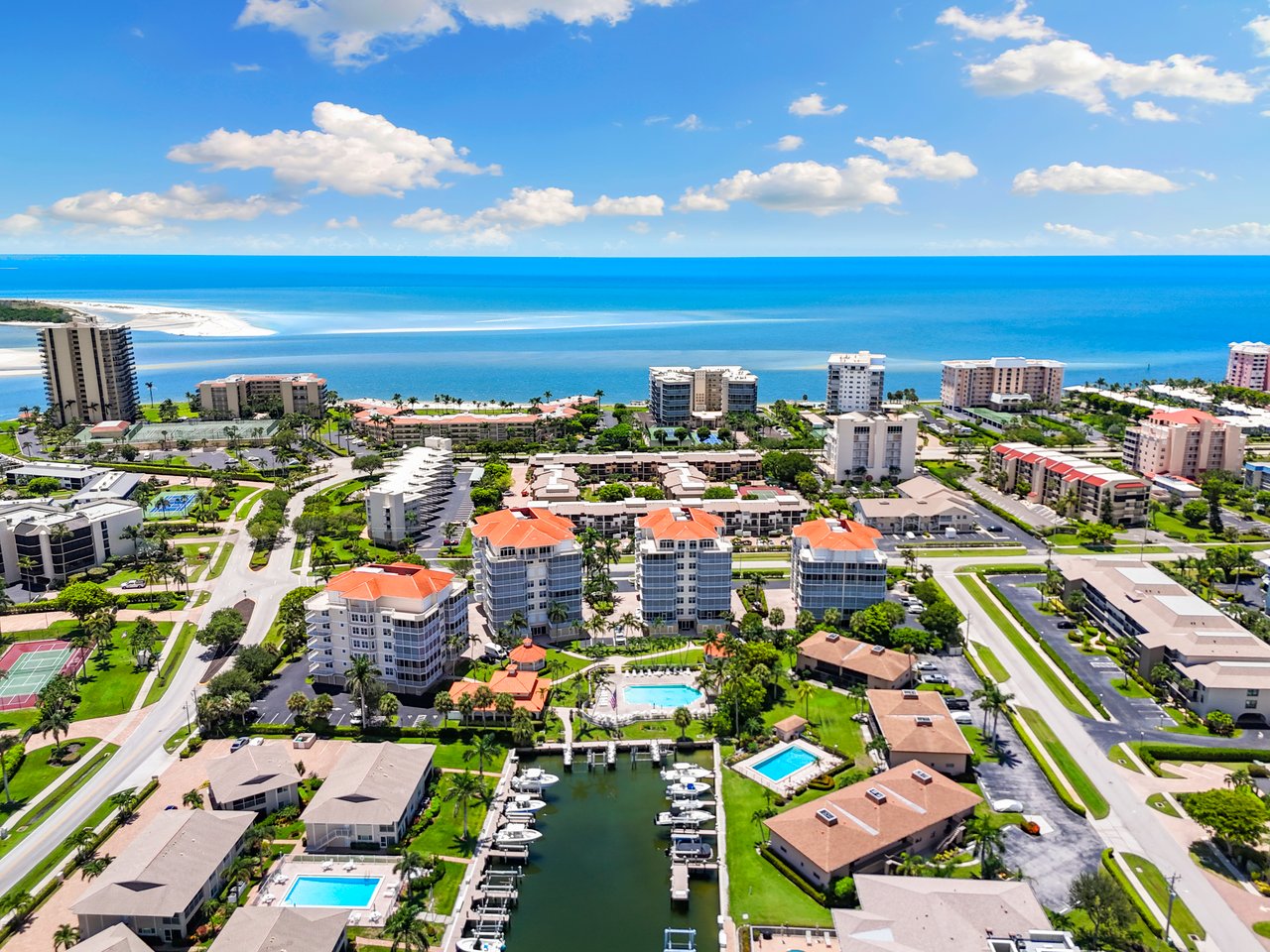
If you love the South End’s beach energy but want a quieter home base, you are not alone. Surf, wind, seagulls, and lively corridors can add up, especially at night. The good news is you can make clear, measurable improvements without risking hurricane code compliance. In this guide, you will learn practical upgrades for Marco Island beach-area condos, what results to expect, and how to navigate HOA and permitting with confidence. Let’s dive in.
Why South End condos get noisy
You face two main noise paths. Outdoors brings wind, waves, and beach activity that carry low and high frequencies. Indoors, corridor conversations, elevator and trash rooms, and footfalls from above can travel through concrete structures and flanking gaps.
Your goal is a noticeable drop in loudness for daytime comfort and better sleep. A reduction of about 10 dB is often perceived as roughly half as loud. Small changes under 3 dB are barely noticeable, so focus on upgrades that move the needle.
What to expect from upgrades
No retrofit will make a beachfront condo silent. Well-selected glazing and better seals can cut outdoor-to-indoor noise by 10 to 20 dB along the window and door path. Pair that with strategic underlayments and you can tame most daily noise.
For healthy sleep, many sources suggest nighttime indoor levels below about 35 to 45 dBA. You can use that as a planning target while you measure your own baseline. The WHO Environmental Noise Guidelines offer helpful context on why sound control matters.
Best exterior noise fixes
Acoustic glazing basics: STC vs OITC
Glazing performance is rated with two key metrics. STC helps describe speech and mid-frequency noise blocking. OITC is better for outdoor low-frequency noise like waves and wind. Typical single-pane assemblies test around STC 20 to 30. Standard double glazing may reach STC 30 to 35. Laminated insulated or multi-layer assemblies can reach the STC or OITC 40 range with the right frame and seals. Always request lab test reports for the entire assembly.
Replace vs interior secondary glazing
You have two main paths that work well on Marco Island:
- Full replacement with impact-rated insulated units. This combines acoustic gains with better thermal performance and hurricane compliance. Expect a higher cost, permitting, and HOA review.
- Interior secondary glazing. This is a separate interior sash or panel that leaves the exterior impact unit in place. It is often highly effective, usually easier with HOAs, and keeps the building’s exterior look unchanged. Plan for careful detailing around sliding doors, screens, and blinds.
Seal frames and lanai doors
Even the best glass underperforms if frames and seals leak air. Replace worn weatherstripping, add continuous perimeter gaskets, and use automatic door bottoms on swing doors. Lanai sliders are frequent weak points. Upgrades include laminated insulating glass, tighter multipoint locks, drop seals, and fresh thresholds and tracks. Small air gaps can undermine performance more than you think.
Hurricane code and approvals
Exterior replacements on Marco Island must meet Florida Building Code impact and pressure requirements and carry recognized approvals. Confirm products in the Florida Product Approval database. For permits and documentation, start with the Collier County permitting and building division. Your HOA or board will likely require approval for any exterior-facing work. Interior secondary glazing often sees smoother approvals, but check egress and ventilation rules.
Cut corridor and footfall noise
Underlayments and IIC
Corridor and footfall noise are mostly structure-borne. IIC measures how well a floor-ceiling assembly reduces impact sound. Floating floors over resilient underlayment, acoustic mats under tile, or ceiling isolation from below can raise IIC significantly. If you are planning new flooring, select an underlayment rated for impact sound on concrete and ask for assembly test data.
Quick steps for corridor noise
Soft surfaces reduce perceived noise right away. Thick area rugs with quality pads, heavier drapes, and well-fitted door sweeps at the entry all help. Lining duct chases or isolating mechanical supports can also cut the transfer of building noise.
Quick wins vs major projects
Low-cost fixes now
- Seal gaps with acoustic caulk at window and door frames, baseboards, outlets, and lanai thresholds.
- Replace weatherstripping and add door sweeps or automatic door bottoms.
- Add heavy drapery or acoustic curtains across large glass areas.
- Place thick area rugs with quality pads in living rooms and bedrooms.
- Maintain sliders so rollers and tracks allow tight, even sealing.
Medium upgrades
- Interior secondary glazing for windows and sliders.
- Replace seals, thresholds, and add multipoint locks on sliders.
- Upgrade to laminated insulated units if current glazing is dated and you can permit the work.
- Install acoustic underlayment with your next flooring project.
Major projects
- Full replacement of exterior windows and sliding doors with impact-rated acoustic assemblies.
- Ceiling or floor decoupling methods to reduce flanking, which require planning, professional installation, and typically permits.
A simple plan that works
Measure and prioritize
Walk your unit during busy and quiet times and note where noise is strongest. Use a calibrated meter or a validated phone app to record exterior and interior levels. Start with sealing and soft finishes for quick gains. If beach noise dominates, focus on glazing and lanai doors. If footsteps or corridor sounds dominate, target floors and door sealing.
Hire the right pros
For fenestration, look for Florida-licensed glazing contractors and products with Florida Product Approval or Miami-Dade NOA if you are replacing exterior units. For floors and ceilings, hire contractors experienced in acoustic underlayments and isolation systems. If budget allows, an independent acoustical consultant can measure, specify, and verify results.
Verify results
Repeat your measurements after work is complete. Ask for test reports that match your assemblies and keep documentation for buyers. This proves value without making absolute noise guarantees.
Selling a condo? Make noise work for you
Buyers respond to documented improvements and fewer unknowns. Highlight laminated insulated impact glazing, interior secondary panels, and upgraded seals with verifiable STC or OITC ratings. Share pre and post measurements for credibility. Stage with rugs and drapery to create a comfortable acoustic feel during showings. Clarify any HOA approvals already secured to reduce friction for the next owner.
Local rules, simplified
- Exterior window and door replacements must comply with the Florida Building Code and recognized approvals. Confirm using the Florida Product Approval database.
- Pull permits as required and follow submittal checklists from the Collier County permitting and building division.
- Many associations require board approval for exterior-facing changes. Interior-only measures may be easier, but always verify your documents.
Ready to create a quieter condo that shows and lives better? Reach out to Unknown Company to discuss your unit, timeline, and budget. Schedule a Consultation.
FAQs
What sound ratings matter for Marco Island beach noise?
- For exterior noise like waves and wind, OITC is especially useful. Ask for tested STC and OITC ratings for the entire window or door assembly, not just the glass.
Do I need permits or HOA approval for new windows or sliders?
- Exterior replacements usually require permits and board approval. Start with the Collier County permitting and building division and confirm HOA requirements in your governing documents.
Will interior secondary glazing meet hurricane code requirements?
- Interior panels do not replace the need for a compliant exterior impact assembly. They often preserve code compliance because the exterior remains unchanged, but confirm egress and HOA rules.
How much quieter can I expect after glazing upgrades?
- Well-designed glazing and sealing can reduce outdoor-to-indoor noise by about 10 to 20 dB along the glazing path, which many people perceive as a large improvement.
What indoor noise level should I aim for in bedrooms?
- Many sources suggest nighttime indoor levels near 35 to 45 dBA for comfortable sleep. See the WHO Environmental Noise Guidelines for more context.
Improving sound control in a South End condo is definitely a lifestyle upgrade. The right glazing, sealing, and underlayment choices can transform how your home feels, shows, and performs over time. If you’re considering a move toward a quieter, more refined coastal living experience on Marco Island, connect with the top Marco Island Realtor, Devin Sweazy. As a full-time local expert who understands both the beachfront lifestyle and the building-science details that shape it, Devin will guide you toward homes that deliver the peace, value, and coastal energy you’re looking for.