Thinking about trading snowbird season for full-time island life? You are not alone. Marco Island rewards you with Gulf sunsets, boating, and mild winters, but year-round living comes with unique rhythms, costs, and storm planning. This guide walks you through daily life, housing, weather, services, and practical steps so you can decide with confidence. Let’s dive in.
Marco Island at a glance
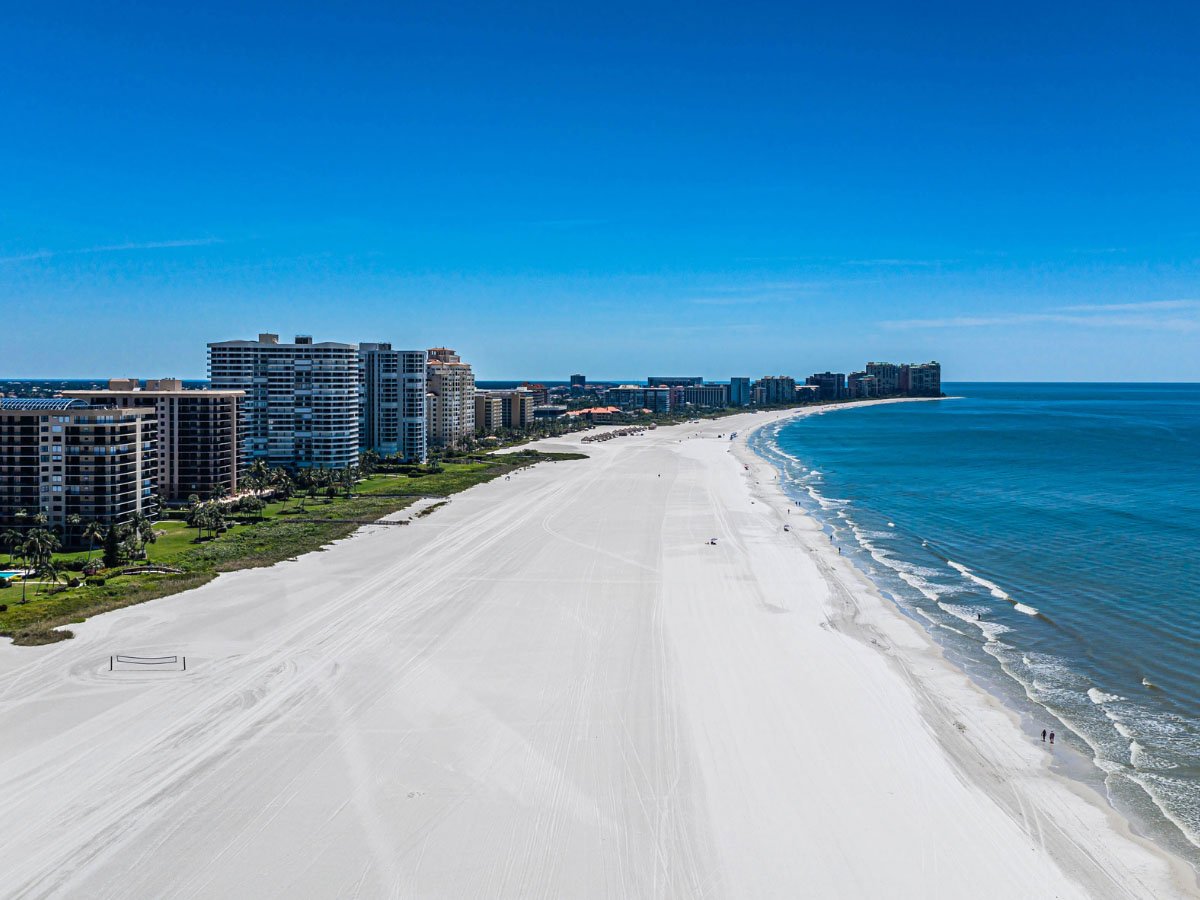
Marco Island is a barrier island in southwestern Florida, the largest of the Ten Thousand Islands, connected to the mainland by bridges along Collier Boulevard. The location offers direct Gulf access and quick trips into nearby natural areas like the Everglades. The community includes many retirees and seasonal residents, with a noticeable population swell in winter. Full-time residents include retirees, second-home owners who make the island their primary home, and workers who commute from the mainland.
Weather and seasons you will feel
Winter comfort
Winters are a major draw. You will find pleasant temperatures and lower humidity, which make beach days, biking, and outdoor dining easy. Social calendars and local events are busiest from roughly November through April. If you enjoy an active social scene, winter offers a steady stream of activities.
Summer heat and storms
Summers are hot and humid with regular afternoon thunderstorms and more mosquitoes. Many services remain steady, but the island is quieter as tourism eases. If you plan to live here year-round, you will want a cooling plan, window coverings, and pest control.
Hurricane season essentials
Hurricane season runs June 1 through November 30, with a peak from August to October. Marco Island is exposed to tropical storms, storm surge, and heavy rain, so preparation is part of responsible ownership. Review local guidance from the City of Marco Island emergency management and track storms via the National Hurricane Center. Check your property’s flood zone using FEMA’s Flood Map Service Center, and know evacuation routes off the island via Collier Boulevard to I‑75 and mainland corridors. Collier County provides evacuation information.
Housing, costs, and insurance
What you will find
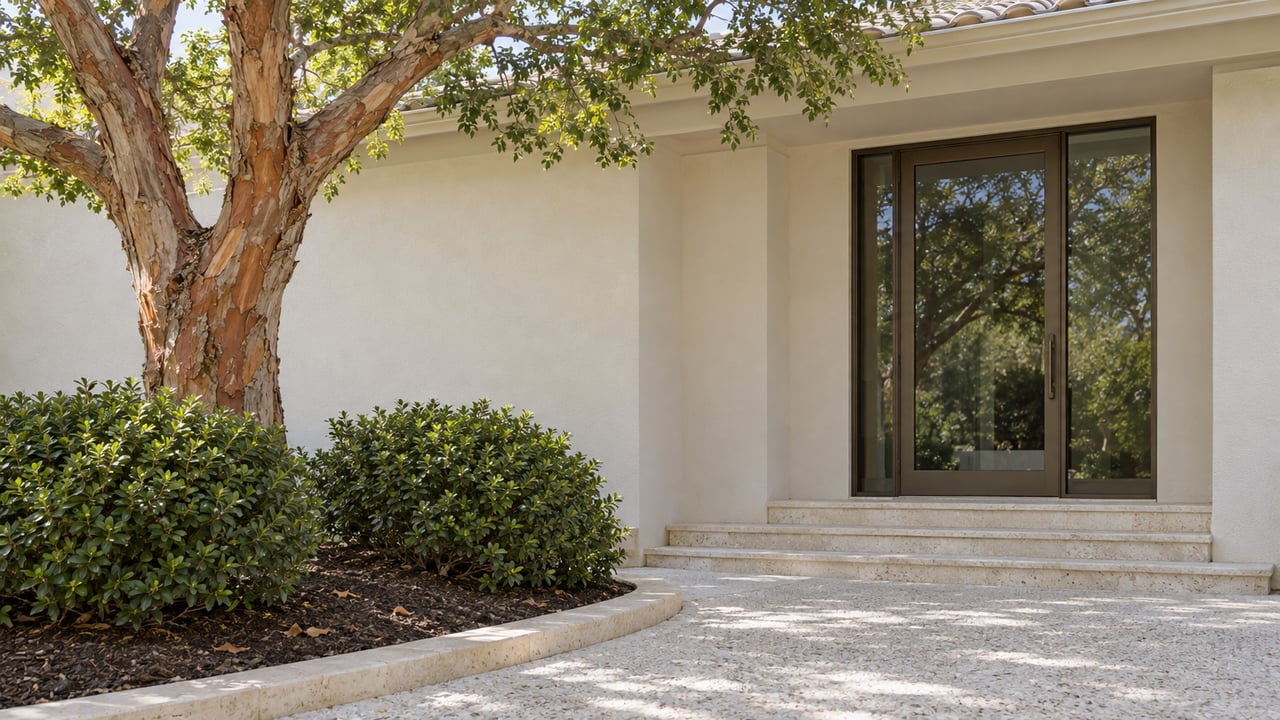
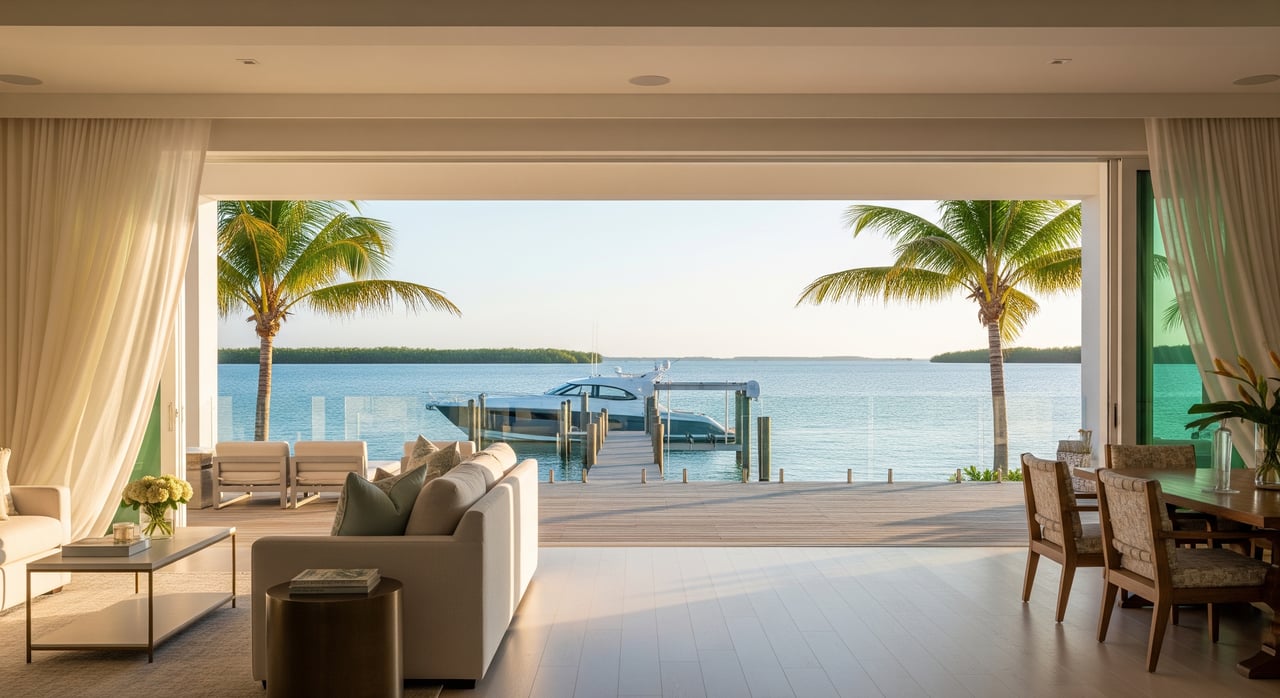
Housing is a mix of condominiums and multi-unit buildings, along with waterfront single-family homes and gated communities. Waterfront and Gulf-view properties command a premium. Many condos include marina access or are near marinas for boating.
Carrying costs that matter
Beyond price, factor in insurance, HOA or condo fees, and maintenance. Flood and wind coverage can be significant for island homes, and Florida’s insurance market has seen rising premiums and changing deductibles. Many owners use NFIP flood policies and, when needed, private windstorm or Citizens Property Insurance. Florida has no state income tax, and primary homeowners may benefit from homestead exemptions that can reduce property taxes; see the Florida Department of Revenue’s guidance and the Collier County Property Appraiser for rules and filing.
Condo and HOA reviews
Many properties are in associations that set seasonal rules, rental allowances, hurricane protections, and dock use. Before you buy, review budgets, reserves, recent special assessments, and any seawall or storm-repair history. Ask about required hurricane shutters or impact windows and any generator or storm-prep policies.
Daily services and routines
Utilities and connectivity
Water, sewer, trash, and recycling run through local municipal or contracted providers. Major internet providers serve the island, and fiber availability varies by address. Power outages can occur during storms, so some owners invest in generators and surge protection.
Healthcare access
You will find urgent care and primary care options on the island and in nearby Naples. Full-service hospitals and many specialists are on the mainland in Naples, with additional specialty care in Fort Myers. If you have ongoing medical needs, include drive times and provider availability in your decision.
Shopping and errands
The island supports grocery stores, pharmacies, banks, and professional services. Many residents make periodic trips to Naples for larger retail, specialty goods, and appointments. Expect slightly higher prices for some goods due to island logistics.
Getting around and airports
Most residents rely on cars, since public transit is limited. Seasonal traffic can increase congestion on the bridge and main corridors. The closest major commercial airport is Southwest Florida International Airport in Fort Myers, and Naples offers convenient general aviation and charter options.
Recreation and social life
Beaches and parks
Beaches are part of daily life, with Tigertail Beach and South Marco Beach as standouts for families, paddle sports, and birding. Winter months bring more visitors and fuller parking lots, while summer offers a quieter shoreline. Beach erosion and replenishment are ongoing local topics, so check city and county updates.
Boating culture and dockage
Boating, fishing, kayaking, and shelling are central to the island lifestyle. Many homes and condos have access to docks, but slips can be limited and expensive, and associations may have waitlists or rules. If boating is a priority, confirm slip availability, lease terms, and seawall condition before you buy.
Dining, arts, and clubs
Expect casual seafood spots, waterfront dining, and relaxed bars. For fine dining and broader entertainment, Naples is a short drive away. Community clubs, volunteer groups, yacht and boating clubs, and arts programming are active, especially in winter. Event listings and business directories from the Marco Island Chamber of Commerce are useful when you are getting oriented.
Families and schools
Public schools that serve island residents are part of Collier County Public Schools. On-island K–12 options are more limited than in larger cities, and some families choose mainland schools or private options in Naples. To explore zoning and programs, visit Collier County Public Schools.
The seasonal rhythm
From November through April, the island runs at a busier seasonal pace with fuller restaurants, more events, and higher visitor counts. Summer brings heat, afternoon storms, and a quieter social calendar. Many residents enjoy the contrast as long as they plan for weather and adjust routines accordingly.
Smart steps before you commit
- Visit in both winter and summer to feel the seasonal pace, traffic, and weather.
- Check FEMA flood maps and request insurance quotes for wind and flood before you write an offer.
- Review HOA or condo financials, reserves, and recent or upcoming special assessments.
- Confirm dock access, slip waitlists, and seawall condition if boating is part of your plan.
- Map evacuation routes and read the City of Marco Island emergency guidance.
- Evaluate healthcare access and drive times to your preferred providers.
- Test your commute routes to Naples or I‑75 during peak seasonal hours.
Is Marco Island a fit for you?
If you value Gulf access, beaches, and a friendly, club-oriented community, year-round island life can be deeply rewarding. You will want to budget for insurance and association costs, plan for hurricane season, and embrace a seasonal rhythm that peaks in winter and mellows in summer. With the right preparation and a clear-eyed view of costs and logistics, you can settle in with confidence.
If you are weighing the move, let a local advisor guide you through flood zones, HOA rules, slip availability, and micro-market pricing. Start a conversation with Devin Sweazy to map your next steps and Schedule a Consultation.
FAQs
What is hurricane risk on Marco Island?
- Marco Island faces tropical storm and hurricane exposure during June through November. Review storm tracking at the National Hurricane Center and follow local instructions from the City of Marco Island emergency management.
How does flood insurance work for island homes?
- Many properties sit in FEMA-designated flood zones; you can look up a property’s zone at the FEMA Flood Map Service Center and discuss NFIP and wind coverage options with an insurance professional.
Are housing costs higher than the mainland?
- Generally yes; island housing tends to run higher than inland Collier County, especially on the waterfront, and you should also budget for insurance, HOA fees, and maintenance.
What hospitals serve Marco Island residents?
- Urgent care and primary care are available on the island and in nearby Naples, while full-service hospitals and many specialists are on the mainland in Naples and Fort Myers.
How do property taxes and homestead exemptions work in Florida?
- Florida offers a homestead exemption for eligible primary residences that can lower property taxes; review details with the Florida Department of Revenue and the Collier County Property Appraiser.
What are school options for year-round residents?
- Island students are served by Collier County Public Schools, and some families choose mainland or private options; explore programs and zoning at Collier County Public Schools.
Can I keep a boat at my condo or home?
- It depends on your property’s dock rights, association rules, and slip availability; many condos use waitlists or leases, and private docks require seawall maintenance and compliance with county and state rules.
Where can I find local events and community groups?
- The Marco Island Chamber of Commerce lists seasonal events, business directories, and clubs that can help you plug into island life.
How do I plan evacuation routes off the island?
- Evacuations typically route via Collier Boulevard to mainland corridors and I‑75; review Collier County evacuation information and keep your household plan and supply kit updated.