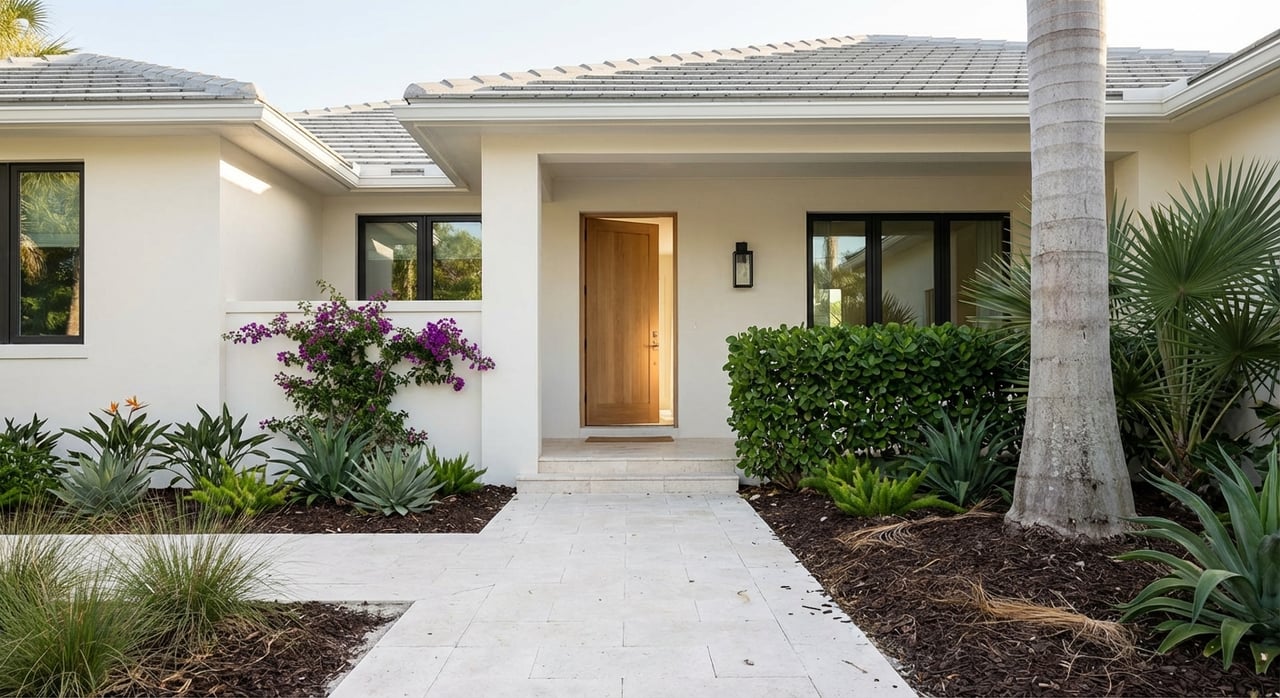
Trying to decide when to sell your Marco Island home? Timing matters here more than most places because buyer demand, weather, and insurance all move on a seasonal rhythm. If you want strong offers and a smooth closing, a smart plan can put the calendar to work for you. In this guide, you will learn the best windows to list, what to do if you need to sell now, and a simple prep timeline tuned to Marco Island. Let’s dive in.
The short answer: time your sale to seasonality
Marco Island’s largest buyer pool arrives in winter. Snowbirds and second‑home shoppers are on island from roughly November through April, with the most serious activity often in January to March. That is when online views, showings, and offers typically peak. Local seasonality guidance backs this pattern.
Here is a quick decision guide to help you choose your timing.
| Your goal | Recommended launch window | What to expect |
|---|---|---|
| Fastest sale with most buyers | Live in Oct to Nov so momentum runs through Jan to Mar | Larger out‑of‑state buyer pool and stronger list‑to‑sale ratios in winter |
| More negotiating leverage, fewer competing listings | Late spring to summer, May to Aug | DOM can be longer, but buyers face less competition in some segments |
| Must sell now | List now with realistic pricing and strong marketing | Pro photos, pre‑listing inspection, and fast document prep keep you competitive |
For a deeper dive on how to aim your listing around the season, see this practical overview on planning a Marco Island listing around seasonality.
Marco Island market at a glance
As of December 2025, a citywide snapshot shows a median sale price near 999,000 dollars and an average of about 86 days on market. You should expect big differences by micro‑location and property type. Waterfront homes and high‑amenity condos behave differently than inland condos or single‑family homes. Check the latest city summary here and confirm with neighborhood‑level comps before you price: Marco Island market overview.
How seasonality affects price and speed
Who buys and when
- Snowbirds and second‑home buyers arrive November through April and often write offers in January to March.
- Retirees and relocators shop all year, but many tour in winter when weather is pleasant.
- Vacation‑rental investors target homes or condos that perform in the winter booking window.
- Local move‑up buyers and sellers are present year‑round.
The takeaway: visibility is highest in winter. If you want maximum eyes on your property and more competing offers, aim to be live when seasonal visitors are here. This seasonality explainer outlines the pattern.
Pricing, competition, and days on market
- Winter listings tend to see shorter days on market and stronger list‑to‑sale ratios.
- Summer listings may take longer but can face fewer competing homes in certain price bands.
- Your best move is to study 3 to 5 years of monthly data for your immediate neighborhood before you set price and timing. A repeatable local pattern is more useful than a single year snapshot.
Weather, insurance, and rules that affect timing
Hurricane season planning
Official Atlantic hurricane season runs June 1 through November 30, with peak risk typically mid‑August to October. If you list during this window, plan extra time for inspections, appraisals, and closings. Named storms can trigger insurance binding pauses and travel disruptions for buyers. See the current outlook from NOAA here: Atlantic hurricane season overview.
Flood zones and elevation certificates
Much of Marco Island sits in or near Special Flood Hazard Areas. Lenders and insurers often request elevation certificates and flood‑mitigation documentation. Collect these items before you list so buyers and their lenders can price insurance and underwrite smoothly. The City maintains helpful resources: City of Marco Island floodplain information.
Florida’s updated flood disclosure and condo rules
Florida expanded flood disclosure obligations for residential sales. Sellers must disclose prior flooding, insurance claims, and any assistance received, using standardized forms at or before contract. Review the statute and be ready to complete it early in your process: Florida flood disclosure statute text.
Condo sellers face added safety and disclosure requirements tied to milestone inspections and structural integrity reserve studies. Associations must provide certain reports and financials, and buyers often receive extended review or rescission windows. This can lengthen timelines. A helpful legal overview is here: Florida Bar summary of condo safety rules.
Insurance market realities
Florida’s insurance environment improved in parts of 2025, but coastal properties still see close underwriting. Lenders may require an insurance quote or binder before closing, and carriers can pause binding during named storms. Ask your agent for quotes and binding requirements early, and share them with buyers and lenders to prevent delays. For context, see recent Citizens Property Insurance updates.
Your 6 to 12 month selling timeline
Use this Marco Island timeline if you plan to sell in the next year. It is designed to help you target winter while leaving room for needed projects.
6 to 12 months out: strategy and due diligence
- Order a pre‑listing inspection so you can prioritize repairs on your timeline and reduce surprises once under contract. Learn how pre‑listing inspections can save deals.
- Contact your insurance agent for renewal or quote options. Request documentation of any claims history and ask what elevation or wind‑mitigation reports buyers will need.
- If you have a seawall, dock, or lift, schedule a marine contractor review now. Permits and contractor calendars can stretch into months, and big marine work is best completed before your listing window. As a reference, local marine work often shows multi‑week permit cycles and backlogs among area contractors.
- Condo sellers: request your association resale packet early. Confirm how long it takes to receive financials, inspection summaries, and reserve information. Plan for buyer review windows under the updated laws.
3 to 6 months out: value, repairs, and staging
- Tackle lender‑critical items first: roof, HVAC, pool systems, and major electrical or plumbing issues. If permits are needed, start early.
- Refresh curb appeal and outdoor living areas. Power wash, paint touch‑ups, and landscape clean‑ups make a strong first impression in a resort market.
- Decide on your staging plan and budget. Even light staging and editing can lift photography and shorten time to offer.
6 to 8 weeks out: documents and marketing prep
- Assemble key documents: deed, survey, elevation certificate, seawall or dock records, appliance warranties, HOA or condo resale packet, prior insurance declarations, and the state flood disclosure. See Florida’s flood disclosure law for form timing.
- Book professional photography and video. If you want to catch the first wave of snowbird buyers, target a late October or early November launch and plan exteriors for a calm, sunny day. Here is a helpful primer on aligning photos and launch with seasonality.
2 to 4 weeks out: final polish
- Deep clean, declutter, and finish staging. Wash windows, brighten lighting, and set neutral, airy decor that photographs well.
- Test every system before showings. Service HVAC and dehumidifiers so the home feels cool and dry. For waterfront homes, confirm docks and lifts operate or disclose status clearly.
Launch and first 2 to 6 weeks: capture momentum
- Offer flexible showing blocks, including weekends and mid‑week, when seasonal visitors are in town.
- Watch early feedback closely. If showings are slow after 10 to 14 days, adjust price or buyer incentives before the listing goes stale. Local advisors often see stronger responses to quick, data‑driven adjustments.
- If you list during hurricane season, build storm contingency time into inspections and closing. Buyers and lenders often allow extensions during named events. Review NOAA’s season outlook and plan buffers.
Quick seller prep checklist
- Order a pre‑listing inspection and fix lender‑critical items first.
- Retrieve your elevation certificate and any flood or insurance claim records.
- If selling a condo, request the association resale packet and confirm timing for safety and reserve disclosures.
- Book marine, roof, and HVAC contractors early to avoid seasonal delays.
- Schedule staging and professional photography. Plan waterfront twilight shots for winter if aiming at high season.
- Ask your insurance agent for binding timelines and documentation requirements, and share them early with buyers and lenders.
Final thoughts and next steps
On Marco Island, the calendar is a lever. If you can aim your listing for late fall, you put your home in front of the largest pool of motivated buyers through the heart of winter. If life says sell now, you can still win with realistic pricing, spotless presentation, and tight documentation that keeps underwriting smooth. Either way, a local, data‑driven plan will help you move with confidence.
Ready to map your best window, price, and prep plan for your neighborhood and property type? Schedule a Consultation with Devin Sweazy for a custom strategy and Sotheby’s‑level marketing built for Marco Island.
FAQs
When is the best month to sell a home on Marco Island?
- January to March often sees the most serious buyer activity, so listing in October or November positions you to capture peak winter demand.
How does hurricane season affect selling and closings in coastal Florida?
- June through November can bring storm‑related delays, insurance binding pauses, and travel issues, so build extra time into inspections and closing and plan buffers during peak months.
What flood and elevation documents should a Marco Island seller gather?
- Collect any elevation certificate, flood mitigation records, and prior insurance claim history before listing so buyers and lenders can underwrite and quote coverage quickly.
What should condo sellers know about Florida’s new condo safety rules?
- Expect to provide inspection summaries, reserve study details, and financials, and plan for extended buyer review or rescission windows that can add time to your transaction.
Is it worth listing in summer on Marco Island if I miss winter?
- Yes, if you price competitively and present well; summer can bring fewer competing listings in some segments, though you should expect longer days on market.